A guide to The Troubles murals in Derry and Belfast
It is hard to believe my journey through Northern Ireland was several years ago. It is perhaps even harder to believe that despite the decades that have passed since the Good Friday Agreement, the “issue” isn’t entirely settled. In the geography of Irish history, The Troubles are a living, breathing part of the landscape in Derry and Belfast, and not just a chapter in a textbook.
These two cities saw history take a tragic, violent turn just decades ago, permanently severing two communities: the pro-Britain, Protestant Loyalists and the pro-Ireland, Catholic Nationalists.
What astonished me most during my visit was the physical reality of this divide. Despite the years of relative peace, both cities remain partitioned. In the residential heartlands, you are on one side or the other. They rarely mix, except in the “neutral” downtown areas during working hours. The air felt thick with the weight of what had happened—and what was still being remembered.
The Derry murals
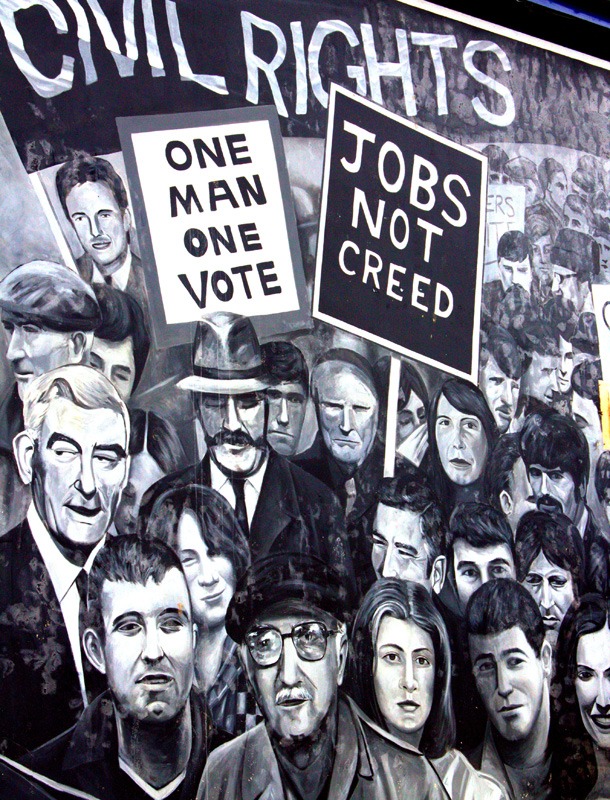
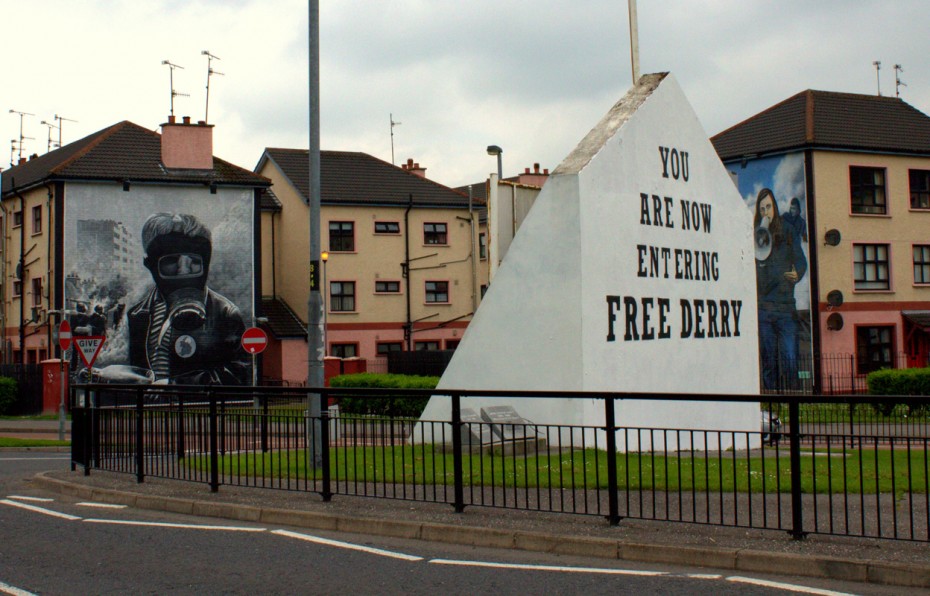
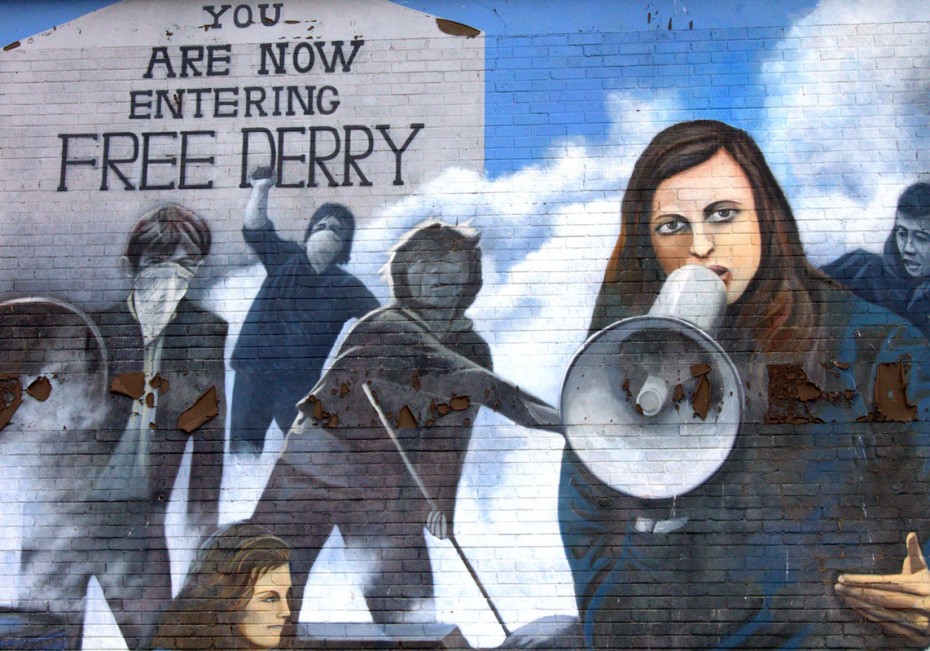
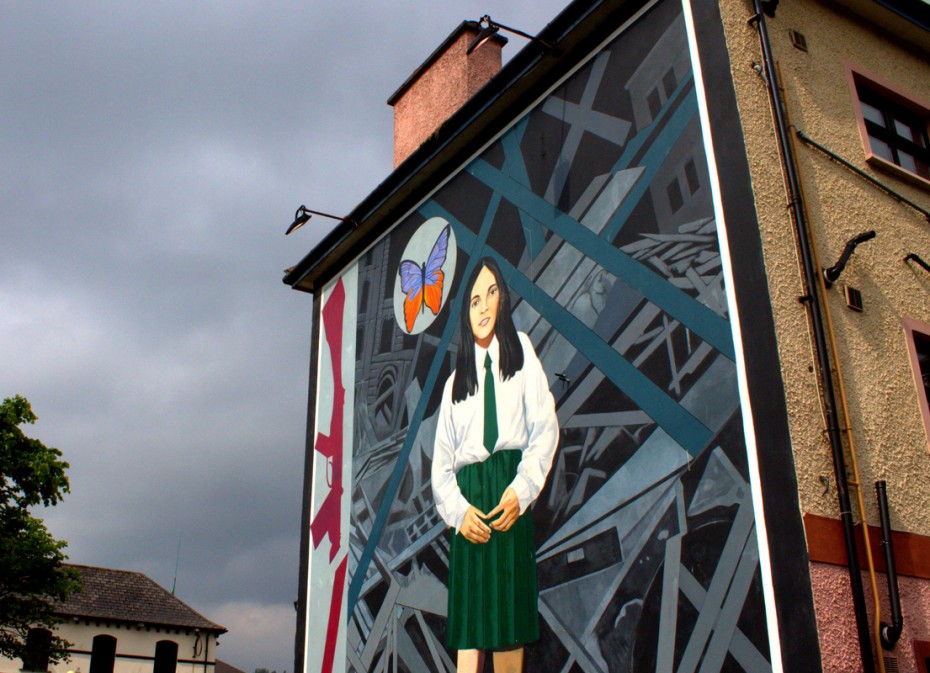
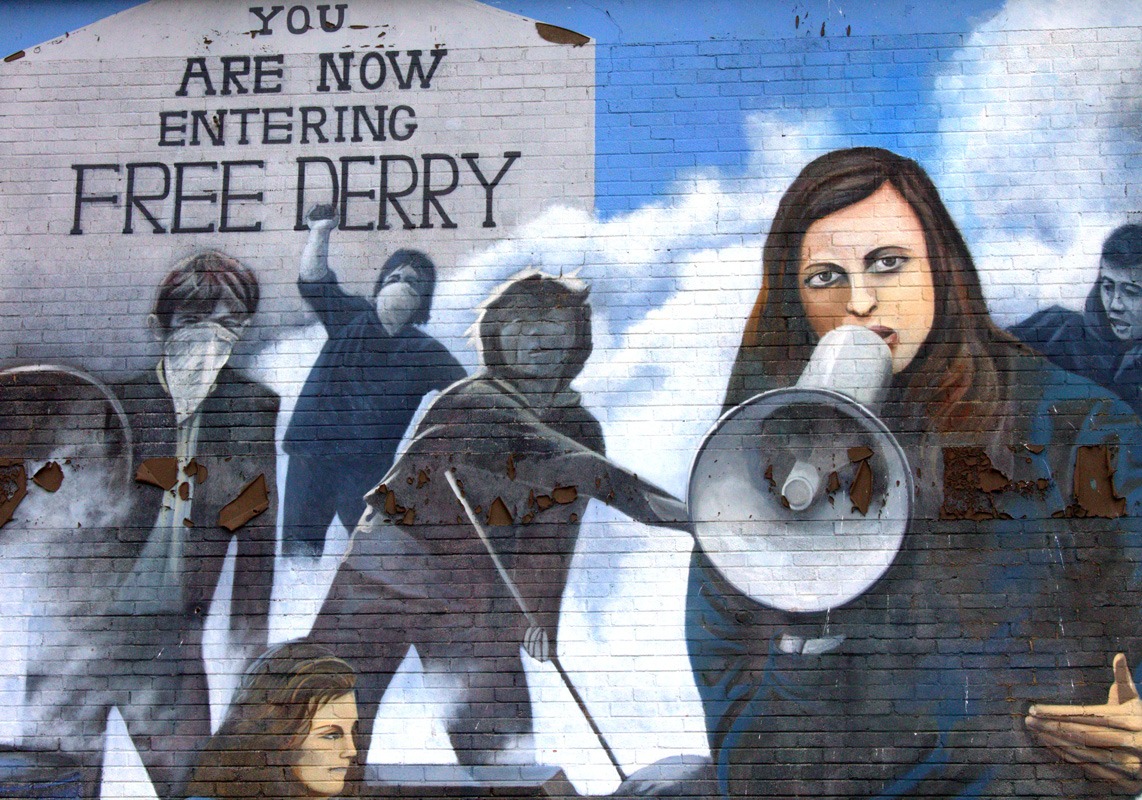
Derry’s murals feel iconic, perhaps because they sit at the edge of the Bogside, an area that became a focal point for the conflict. Standing before the famous gable end that proclaims, “You are now entering Free Derry,” I felt the scale of the resistance.
To truly understand these walls, you need a guide. Without one, these are just “bucket list” items to tick off; with one, they are windows into raw human emotion.
- Bernadette Devlin: I learned of her fierce engagement in the Nationalist movement; at just 21, she became the youngest MP ever elected, a symbol of a generation that refused to stay silent.
- The 1968 Civil Rights March: A mural dedicated to the campaign against housing discrimination that eventually erupted into the Battle of the Bogside.
- The Death of Innocence: A haunting depiction of Annette McGavigan, a 14-year-old schoolgirl killed by a British soldier in 1971. Seeing her face on a giant wall forces you to confront the “hurt, the pain, and the wrath” of this community.
+
DERRY travel tips
The Belfast murals
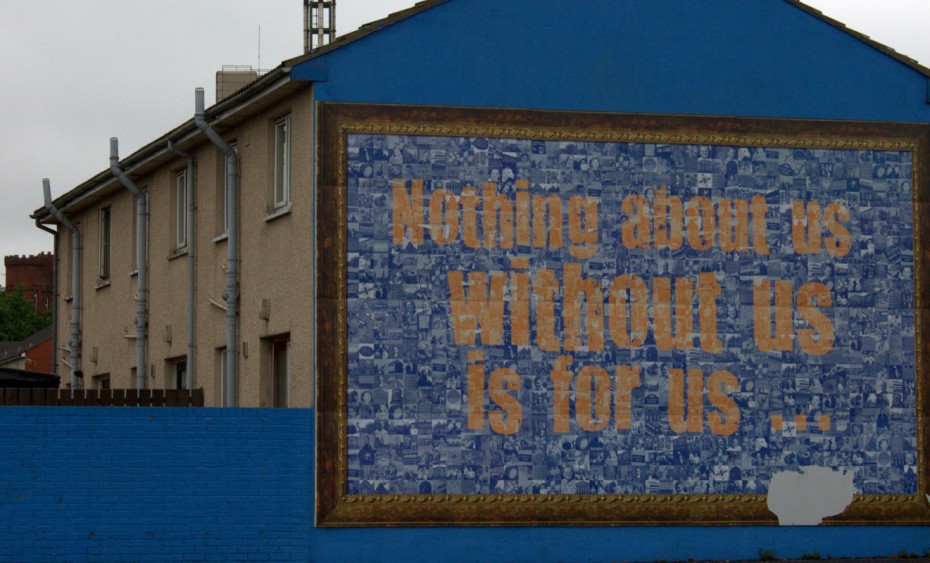
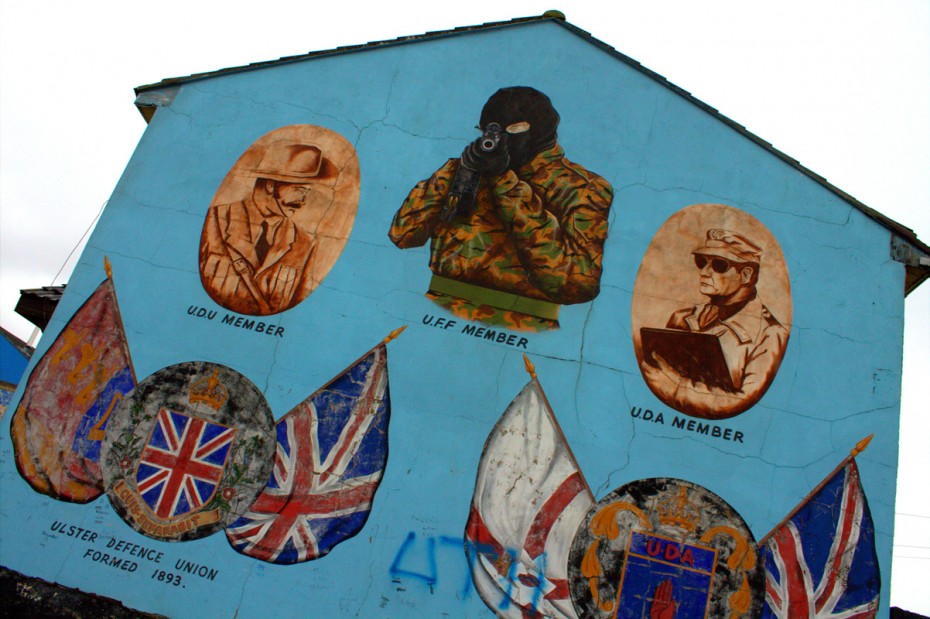
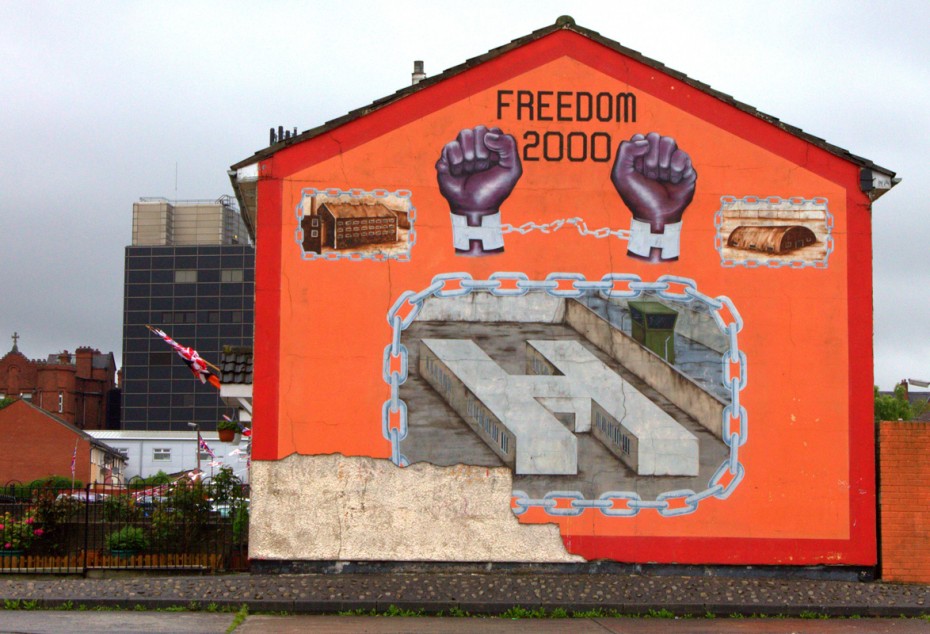
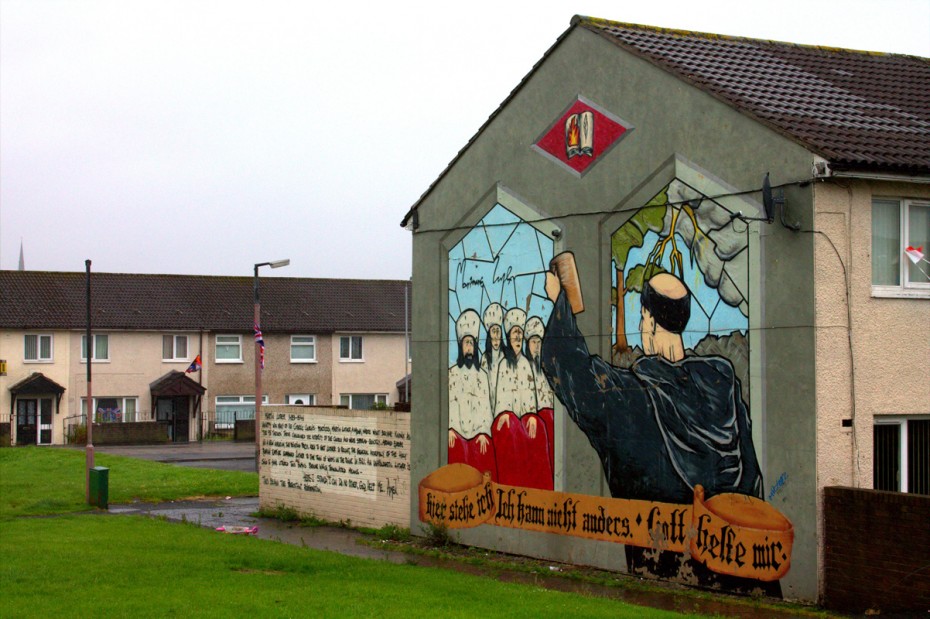
In Belfast, the murals are more spread out, making a Black Cab Tour the best way to navigate the geography of the conflict. It is a surreal experience—hearing the history “straight from the horse’s mouth” while wondering about your driver’s own history.
- The Maze Prison: Another mural depicts Cell Block H of the Maze Prison, which once held paramilitary prisoners and was the site of the 1981 hunger strikes.
- The Loyalist Shooter: One of the most famous (and unnerving) Loyalist murals features a paramilitary shooter whose gun appears to point directly at you, no matter where you stand.
+
BELFAST travel tips
The irony of the “Peace Walls”
In both Belfast and Derry, steel walls still split neighborhoods in half. Every night, heavy security gates close tightly, just as they have for decades. These walls were intended as “temporary” measures in the 1960s, yet they have only grown higher and longer.
The most jarring sight? The houses tucked against these euphemistically named “Peace Walls” are often protected by steel cages to deflect “missiles” (bricks or bottles), and many still feature bulletproof glass. As a fundamentally pacifist person, seeing this in the 21st century left me at a loss for words.
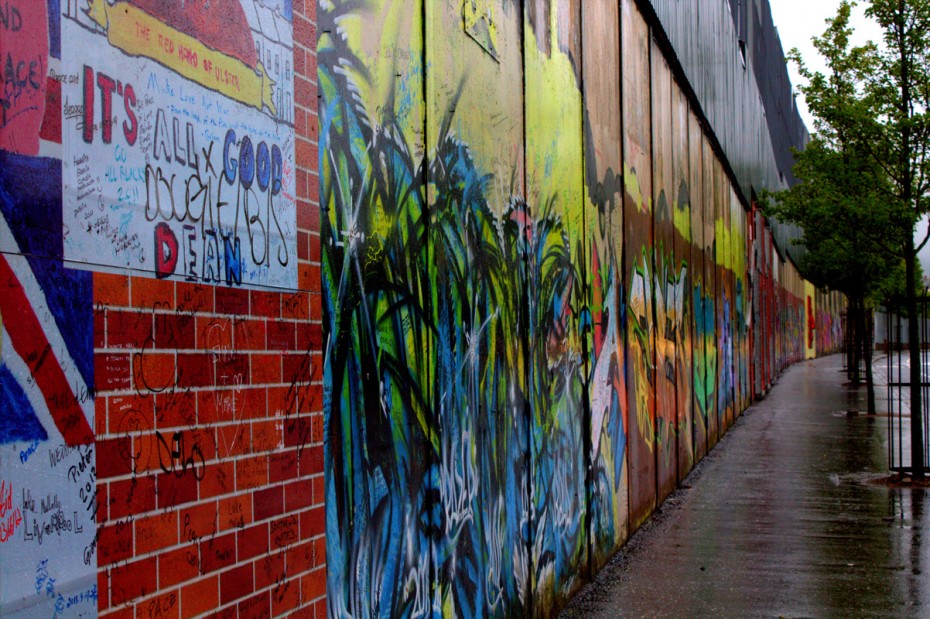
While parts of the walls have been turned into urban art gems—covered in messages of hope and colorful graffiti—their presence speaks louder than the paint. We may dream of a day where we choose freedom over territory, but standing in the shadow of a Peace Wall, that dream still feels slightly, heartbreakingly delusional.
+
NORTHERN IRELAND
travel tips
The Troubles on screen 🎬
Before you visit, watch these to turn the “urban art” back into human stories:
- Derry Girls: Essential viewing. It captures the surreal absurdity of growing up a teenager while armored cars patrol your street.
- Say Nothing: A 2024 limited series based on Patrick Radden Keefe’s book. It’s a gripping, often devastating look at the IRA’s “disappeared.”
- Belfast: Kenneth Branagh’s semi-autobiographical film showing the start of the conflict through the innocent eyes of a child.
- Bloody Sunday: A documentary-style film that covers the tragic 1972 shootings in Derry—the event that changed the course of the conflict.