
The magic of the Dingle Peninsula
Whether it’s the call of my ginger-haired ancestors or my own personal appreciation for a well-poured pint, Ireland has always occupied a massive piece of my heart. For years, I dreamt of the ultimate Irish road trip. But after finally experiencing the rugged west coast, I’ll let you in on a professional travel writer’s secret: sometimes, the best way to see Ireland is to hand over the keys.
While I love a good solo drive, there is something magic about a tour bus in the Gaeltacht (Irish-speaking regions). Being driven by a cheeky, knowledgeable local who can weave myths and legends into every hairpin turn allows you to actually look at the scenery instead of white-knuckling the steering wheel on a narrow cliffside road.
If you are planning a journey between Killarney and Galway, the Dingle Peninsula is the absolute crown jewel. It is raw, untouched nature constantly battling the wild Atlantic—and easily one of the most spectacular stretches of road on the planet.
+
IRELAND travel tips
Dingle
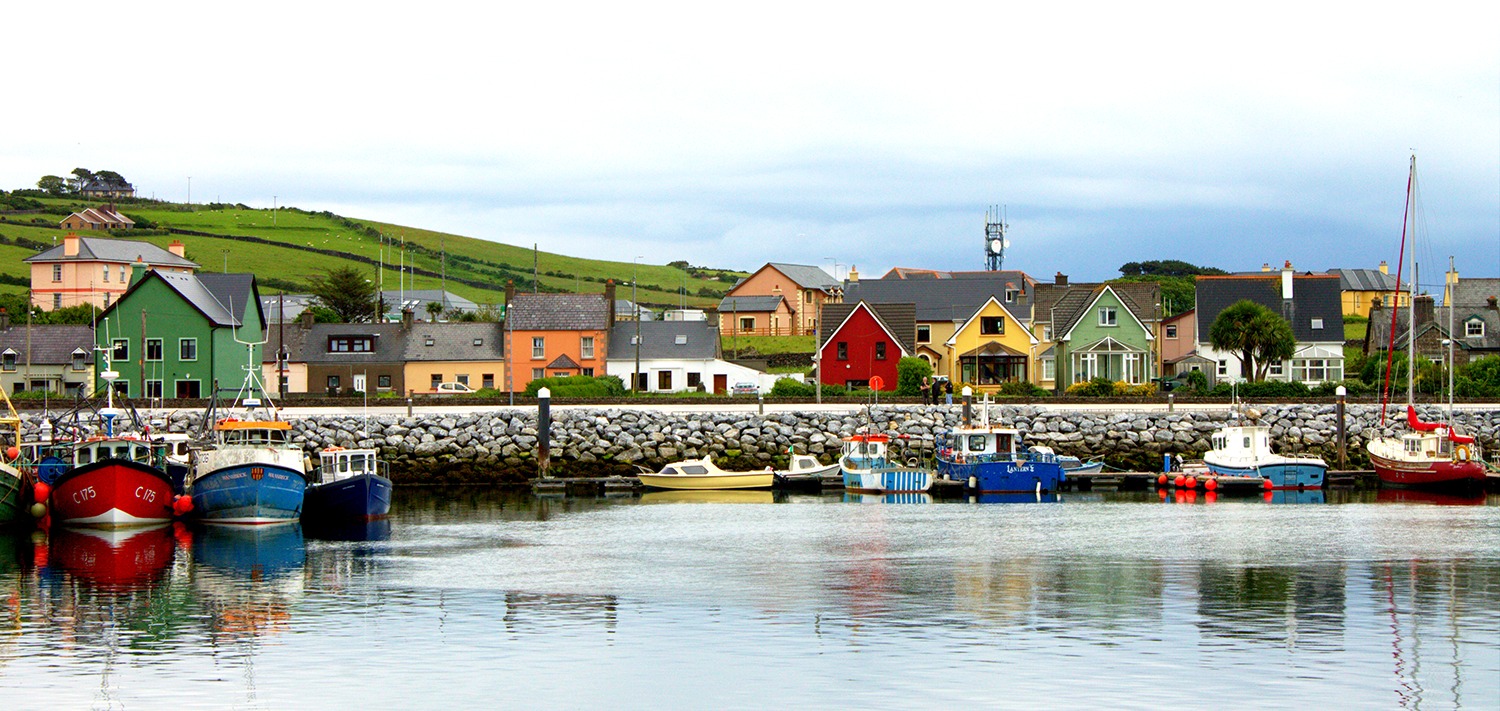
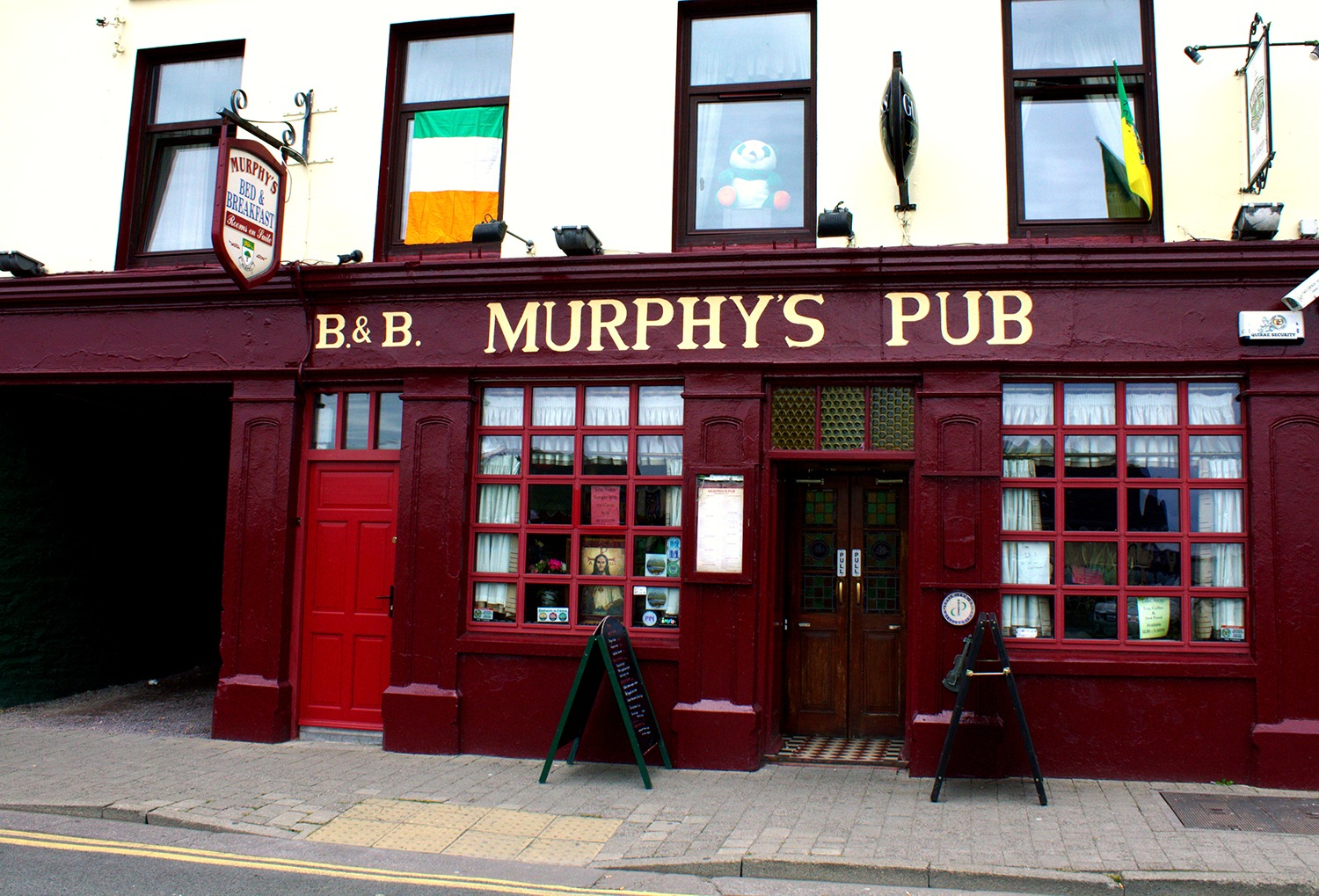
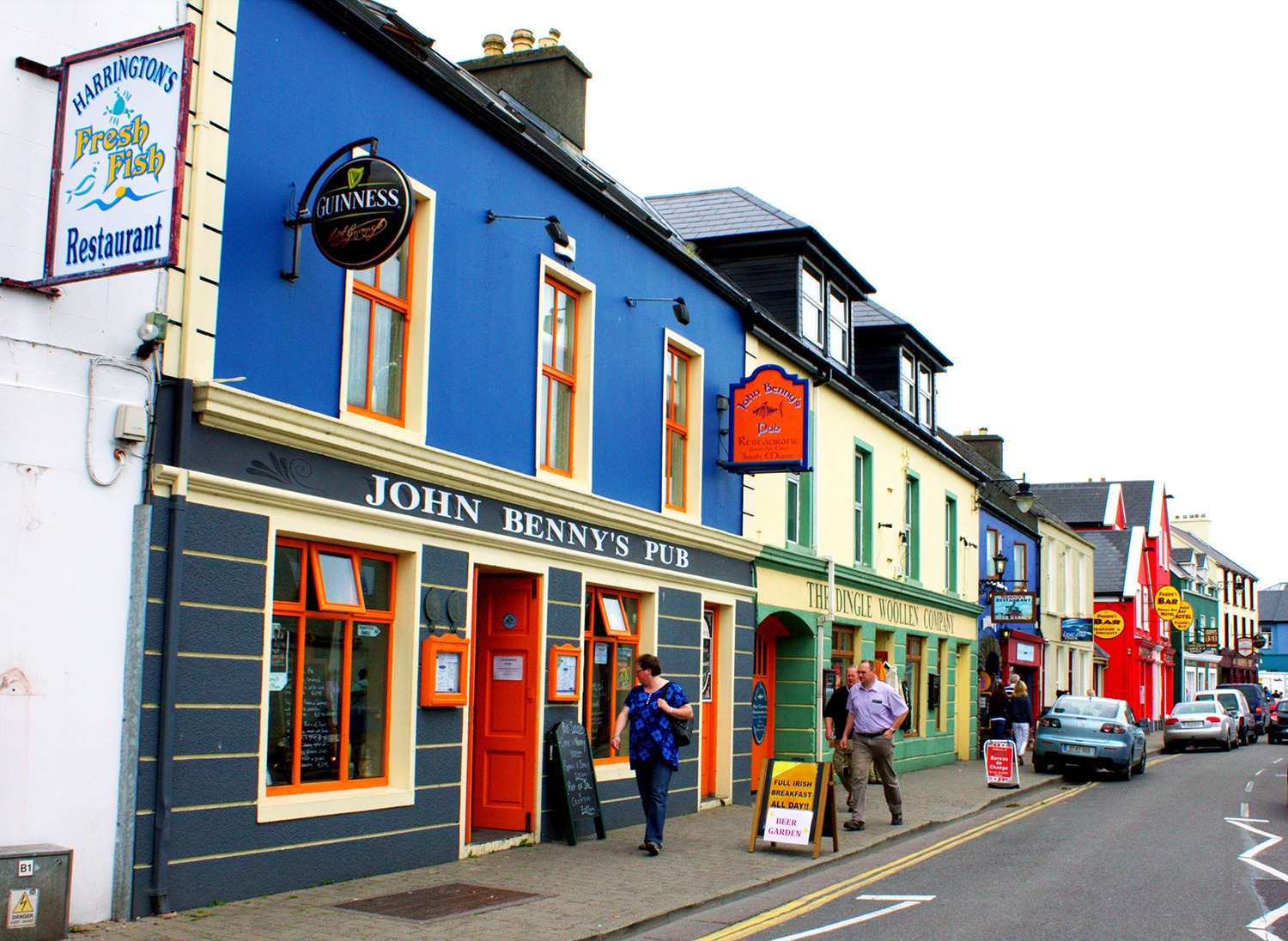
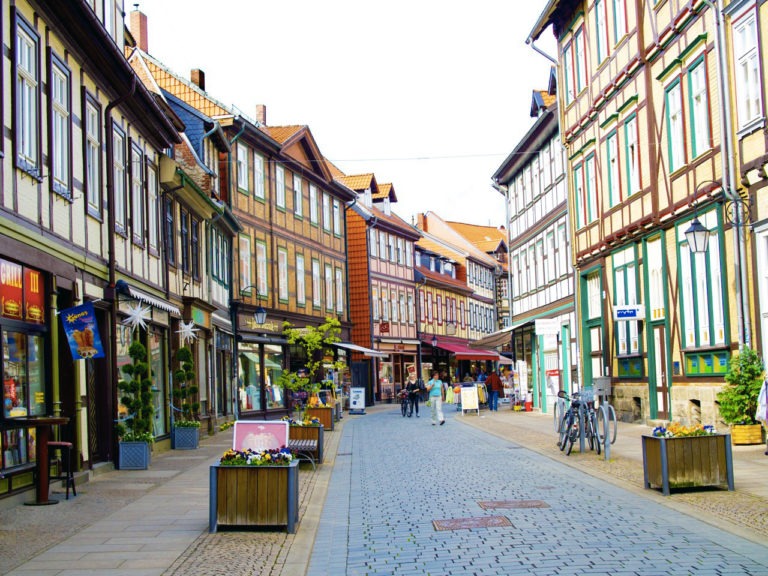
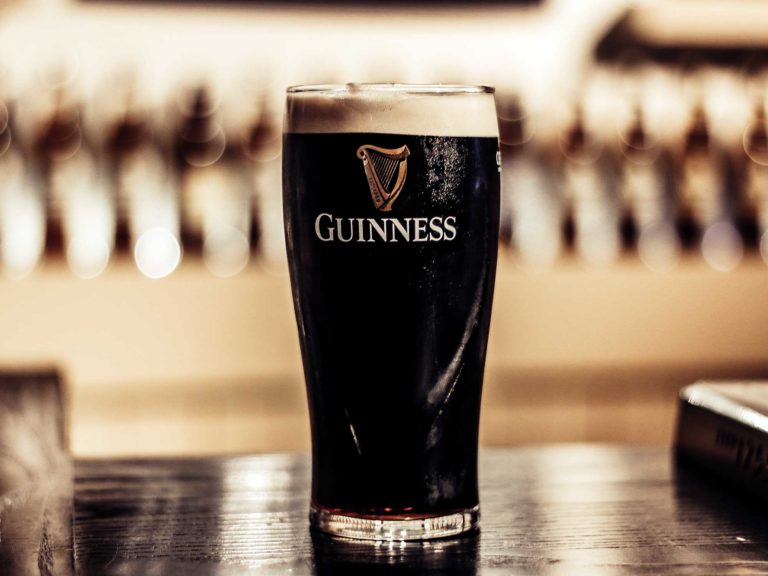
Dingle isn’t just a town with colorful shops; it’s a Gaeltacht stronghold. You’ll hear Irish spoken in the grocery store and the pubs, giving the place a weight that goes beyond the “tourist trap” vibe. It was a massive medieval port, and that history is still there in the “fógra” pubs—quirky spots where you can buy a box of nails and a pint of Guinness at the same counter.
In fact, Dingle is quite possibly the most charming village in Ireland. It’s a kaleidoscope of brightly painted storefronts, cozy pubs, and independent boutiques. Despite its small size, it’s pulsing with life and serves as the perfect base for exploring the peninsula.
- The vibe: Exceptionally friendly locals and a world-class traditional music scene. You’ll find pubs here that double as hardware stores—a true Irish quirk.
- A culinary hub: Beyond the pubs, Dingle has become a foodie destination, from fresh-off-the-boat seafood to artisanal distilleries.
- Pro Tip: Do not leave without getting ice cream at Murphy’s. My willpower vanishes the moment I see a gelato stand, and Dingle’s local creameries are dangerous for someone with my lack of “ice cream restraint.” Try the sea salt flavor—it’s legendary.
Dunmore Head
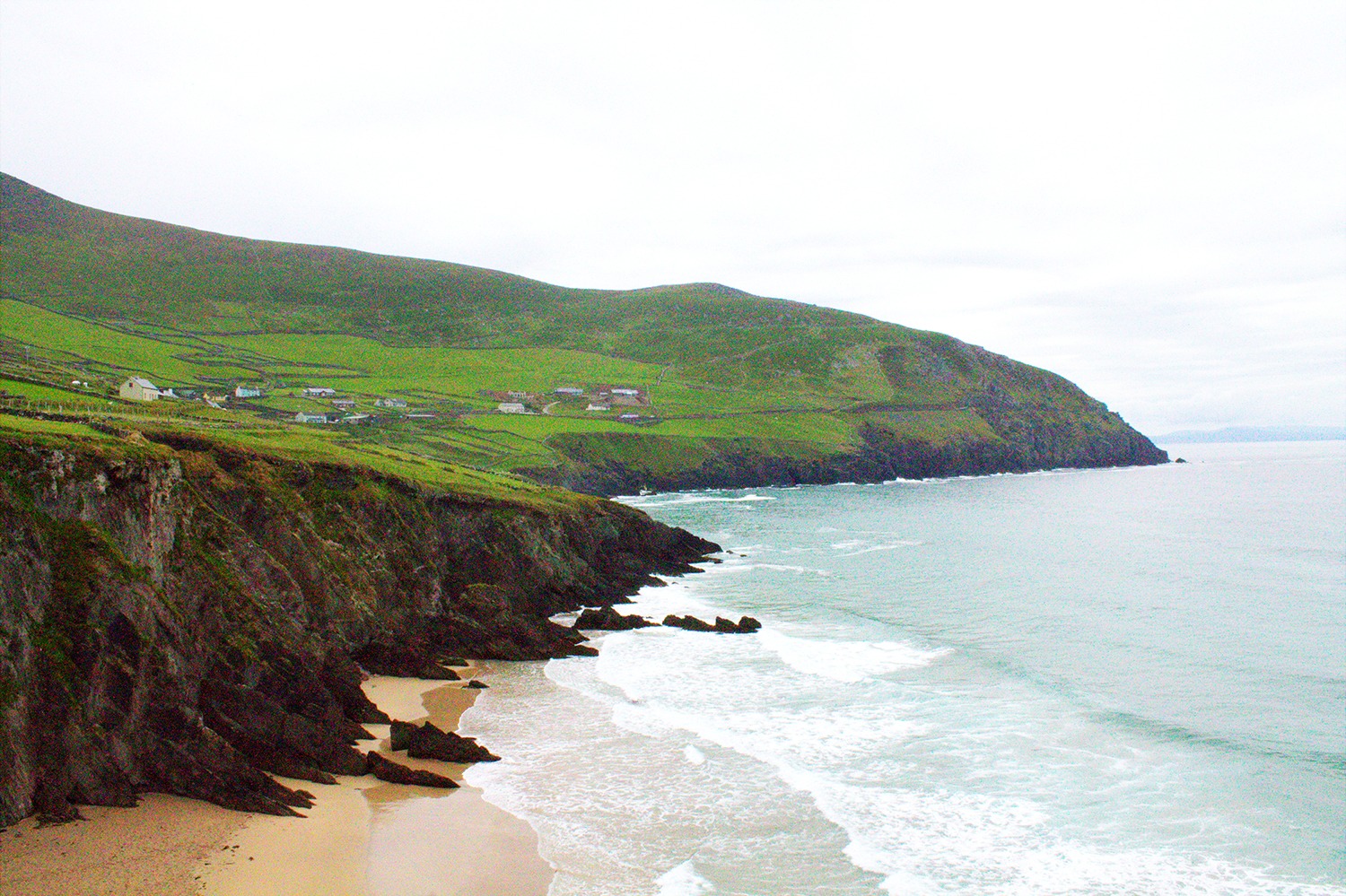
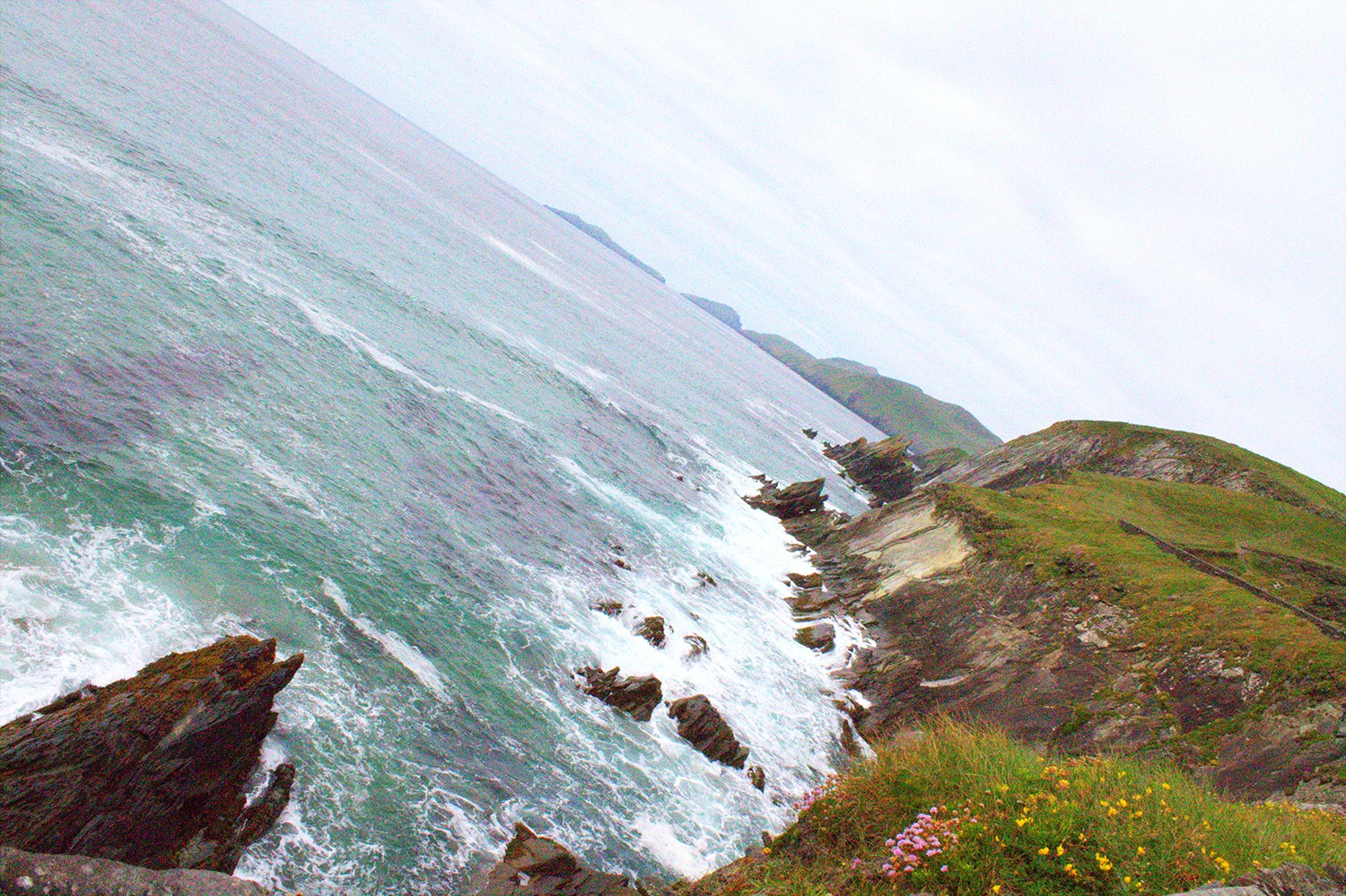
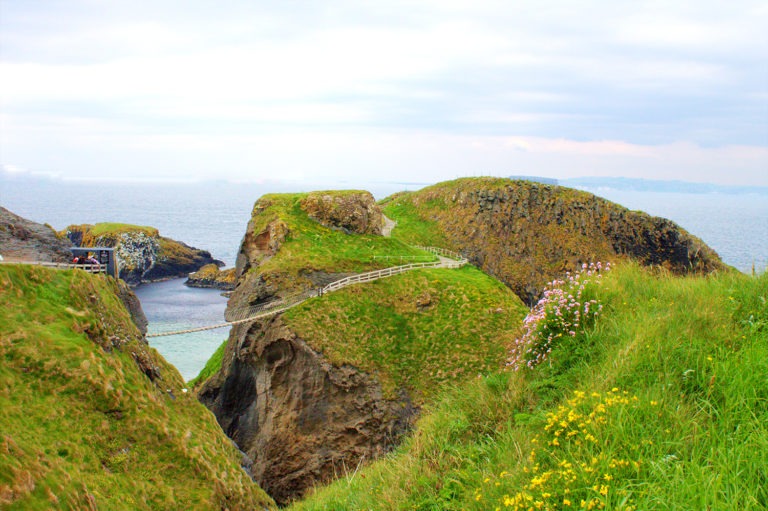
Standing on Dunmore Head, it hit me: I was officially at Ireland’s westernmost edge, closer to my desk in Montreal than to most of Europe. It’s a 150-foot sheer drop of Devonian sandstone that marks the end of the Dingle Peninsula, where the land just gives up and surrenders to the Atlantic.
Standing by the ancient Ogham stone—a 5th-century pillar that’s been watching these cliffs for over 1,500 years—the history feels heavy. It’s also somewhat of a graveyard for the Spanish Armada, where in 1588, massive galleons were pulverized by the rocks below during a brutal storm.
Star Wars fans, take note: If these jagged cliffs look familiar, it’s because this area served as a filming location for The Last Jedi. It truly feels like a place at the end of the world.
Coumeenoole Beach
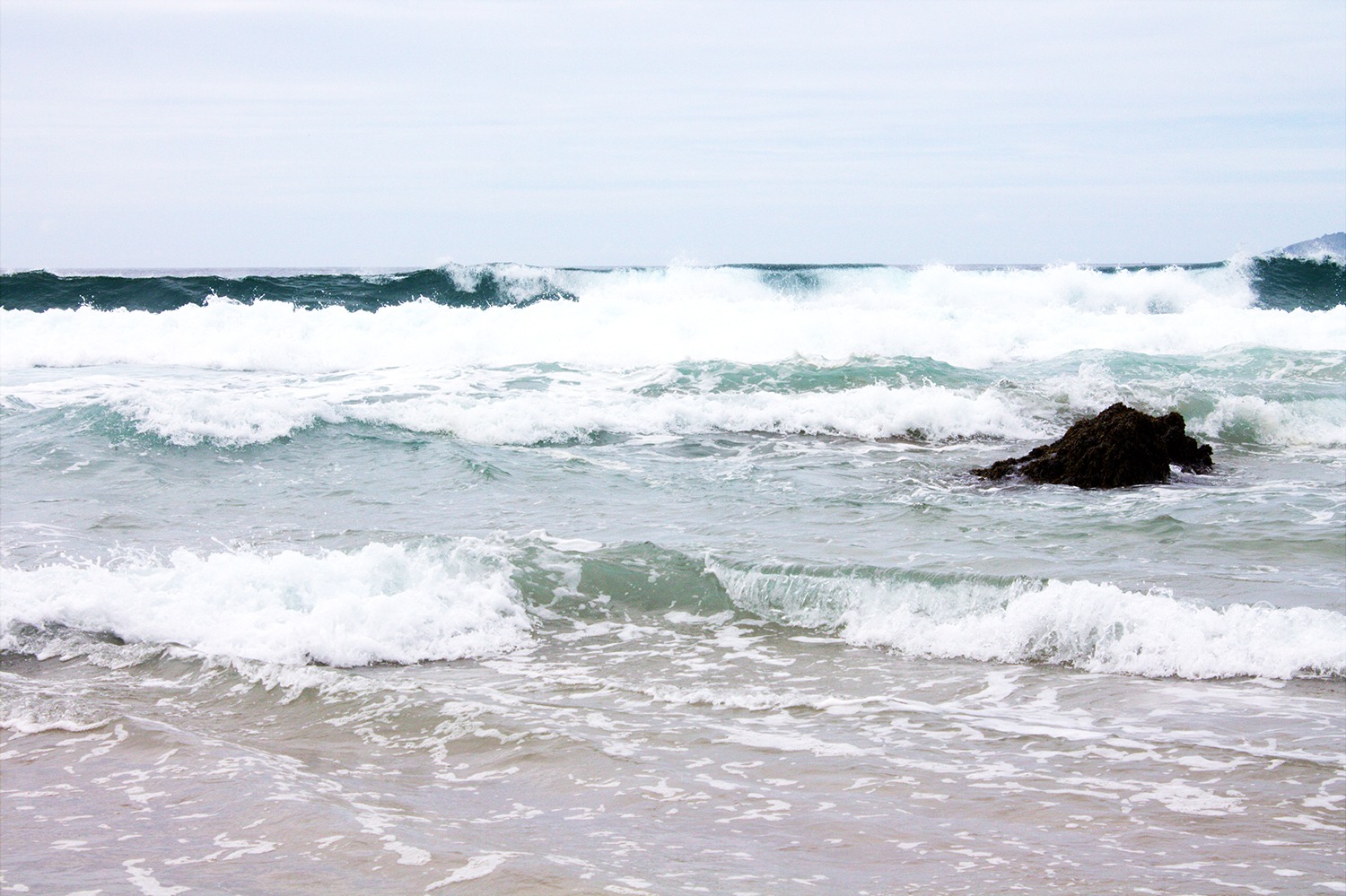
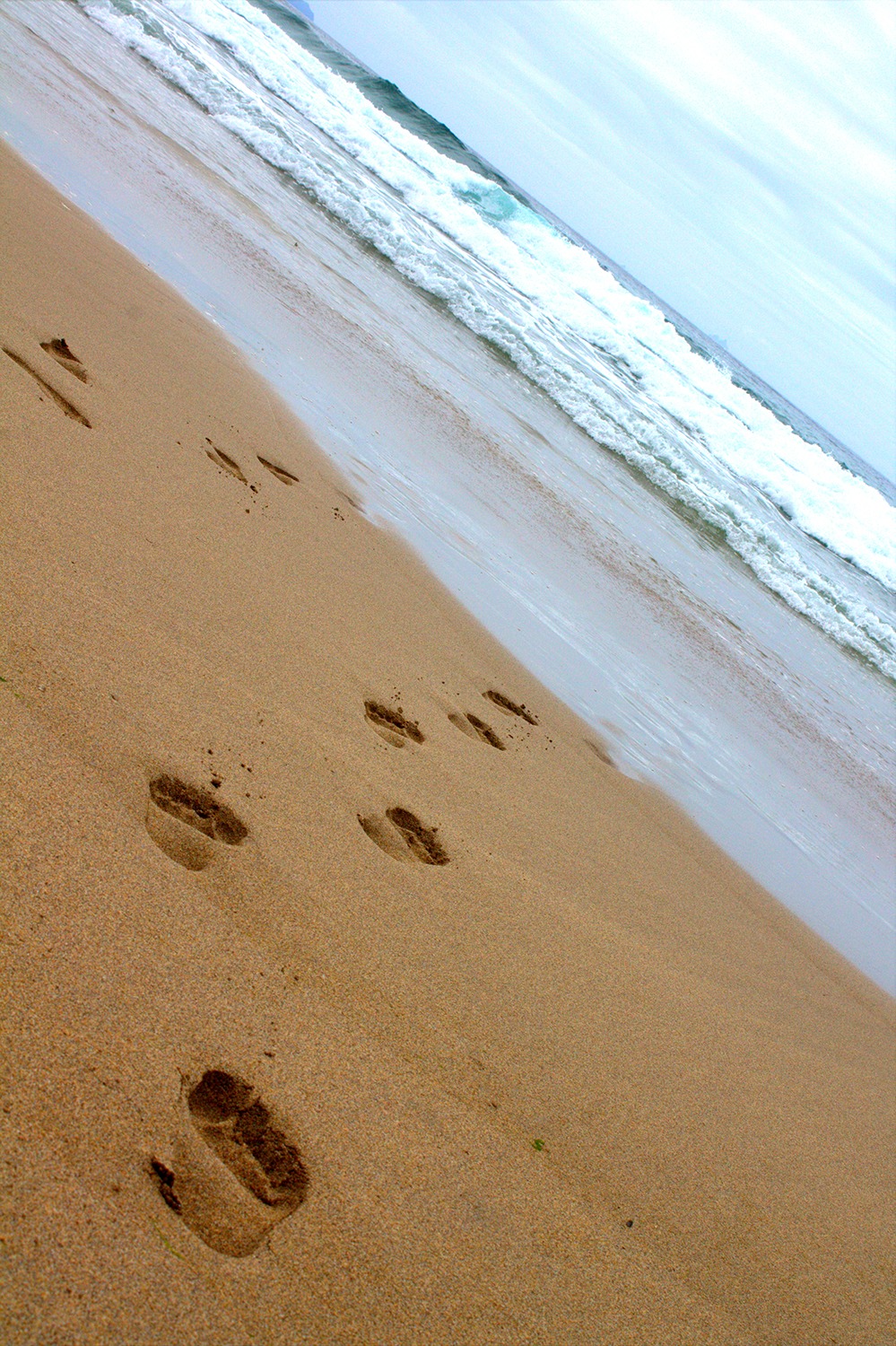
Coumeenoole Beach is a postcard-perfect trap of gold sand and jagged black cliffs at the tip of the Slea Head Drive. It’s strikingly cinematic—David Lean filmed Ryan’s Daughter here—but don’t let the beauty fool you. The Atlantic currents are notoriously dangerous, making it a spot for toe-dipping, not swimming. It’s also the closest beach to the legendary Blasket Islands.
- Safety first: Be mindful of the tides and currents here; the Atlantic is as powerful as it is pretty. It’s the perfect spot for a contemplative walk or a very quick, very chilly dip.
- The experience: I did the “Atlantic Dip”! My feet turned a shade of blue that I’m pretty sure isn’t medically recommended, and my heart nearly exited my chest, but it was the most alive I felt all trip.
Travelling to Dingle? Here are my tips:
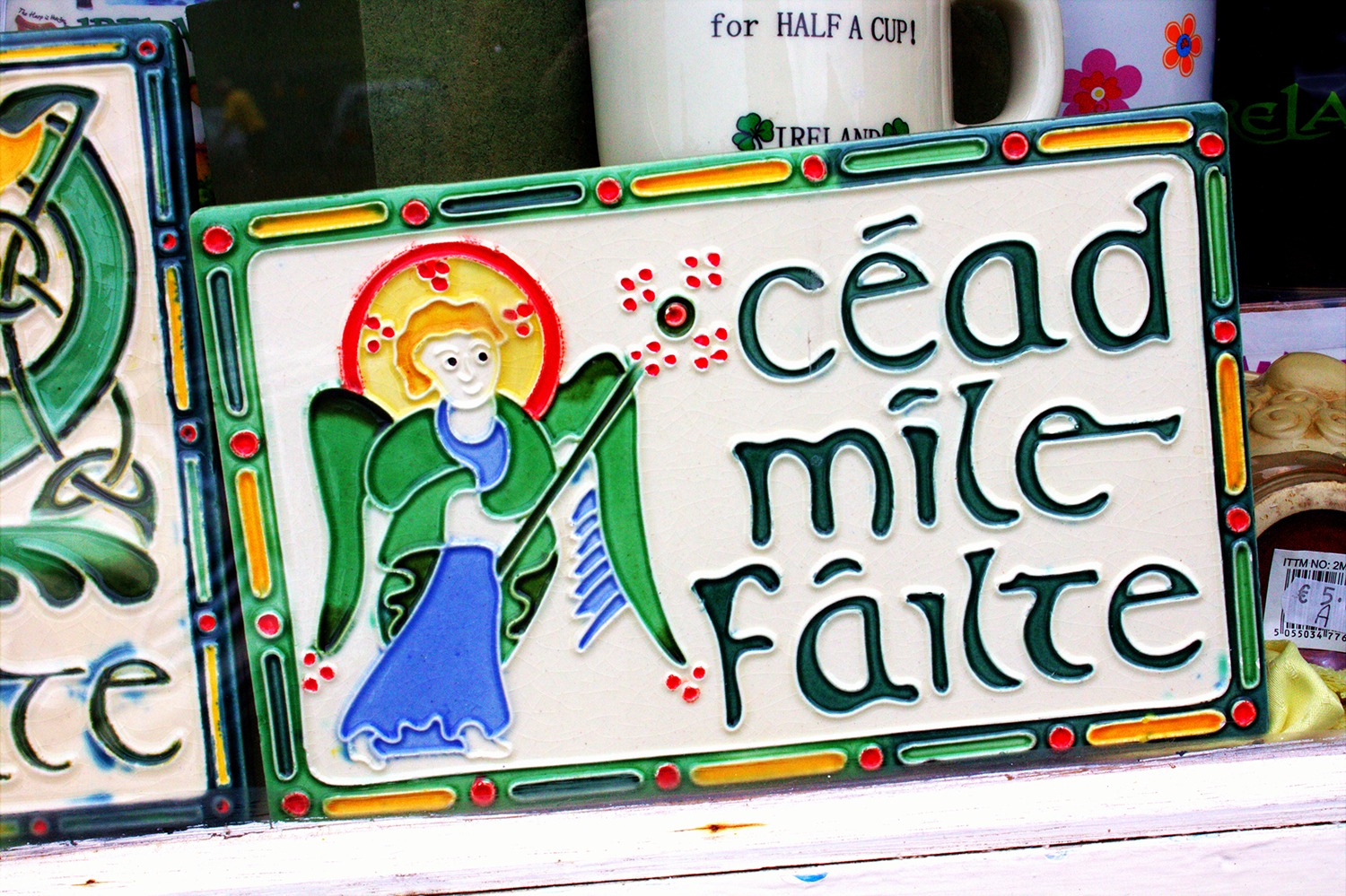
- The Slea Head Drive: This is the circular route that begins and ends in Dingle. It’s only about 47km, but give yourself at least half a day because you’ll want to stop every five minutes.
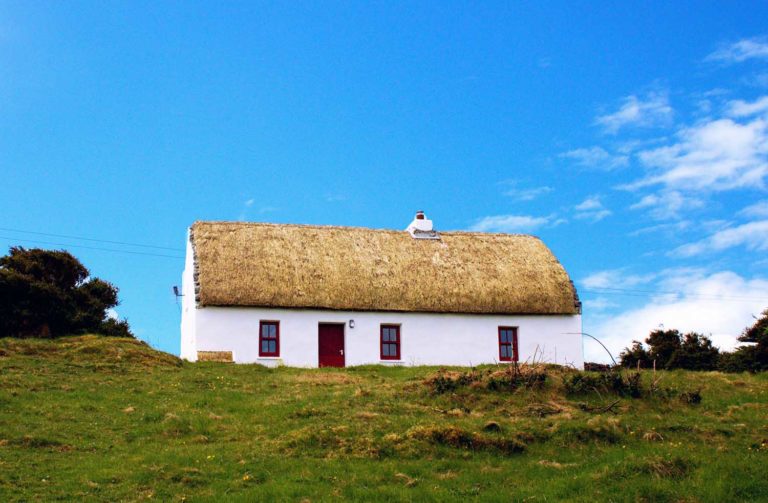
- Look for beehive huts: You’ll see ancient stone dwellings (Clocháns) along the route that look like they belong in a fantasy film.
- The weather: It changes in seconds. Pack layers, embrace the drizzle, and remember that the “moody” lighting makes for the best photos anyway!