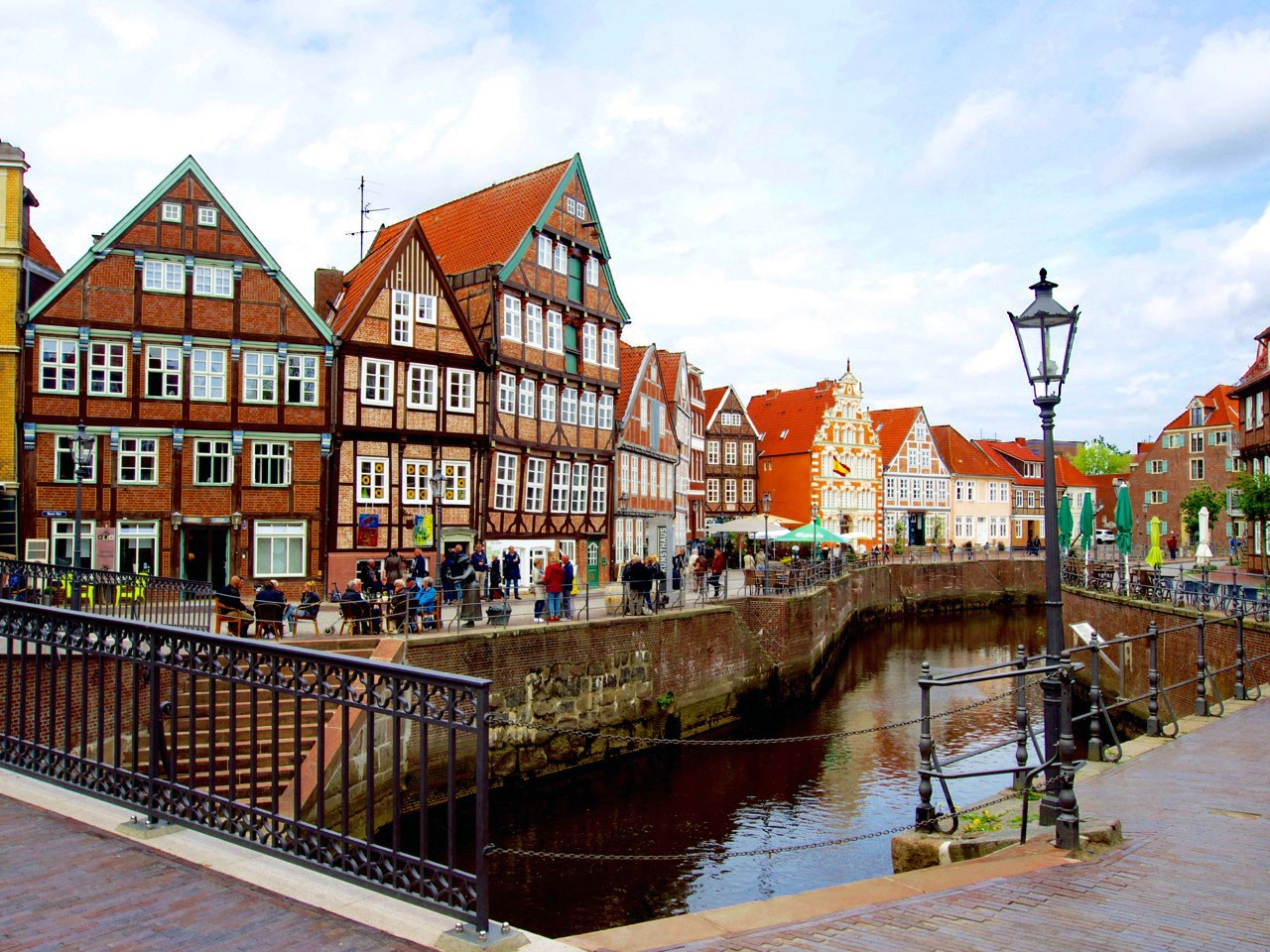
Is Stade the prettiest village on Germany’s framework road?
I had only vaguely heard of the Hanseatic League before I arrived in Stade as part of my itinerary along the legendary German Half-Timbered Houses Route (Deutsche Fachwerkstraße). As it turns out, this impossibly quaint city in Lower Saxony, tucked near the North Sea, was a prominent member of that powerful medieval commercial confederation.
While it was later eclipsed by neighboring Hamburg, Stade remained a powerhouse seaport along the River Elbe for centuries. For a contemporary traveler, this wealthy merchant history means two things:
- Stade was important enough to become a major regional administrative center.
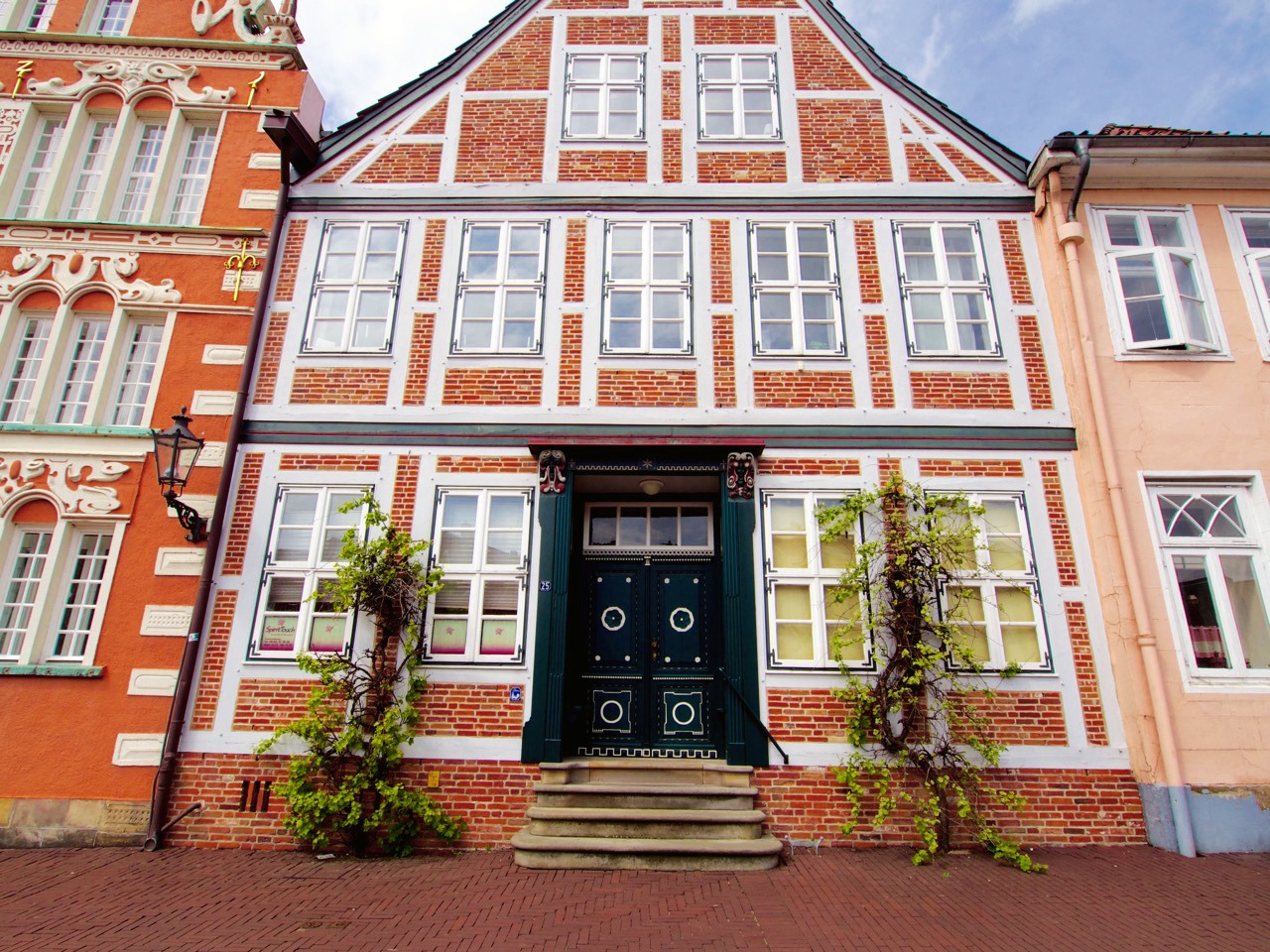
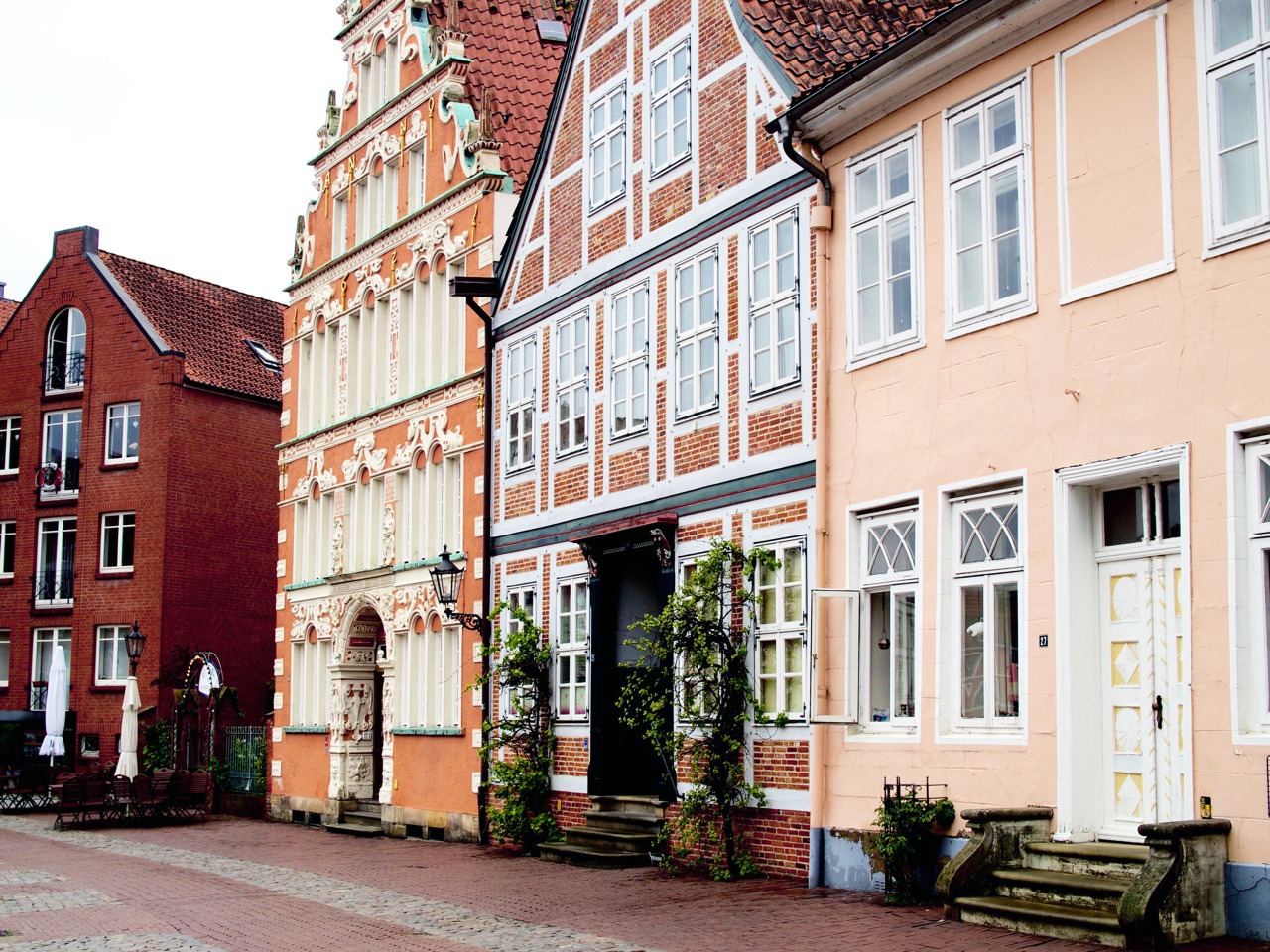
- Centuries of maritime trade made it rich enough to build incredibly splendid, ornate buildings.
To say I was impressed to start my German road trip here wouldn’t come close to my actual level of excitement. This town is an absolute showstopper.
Visiting Stade for the first time
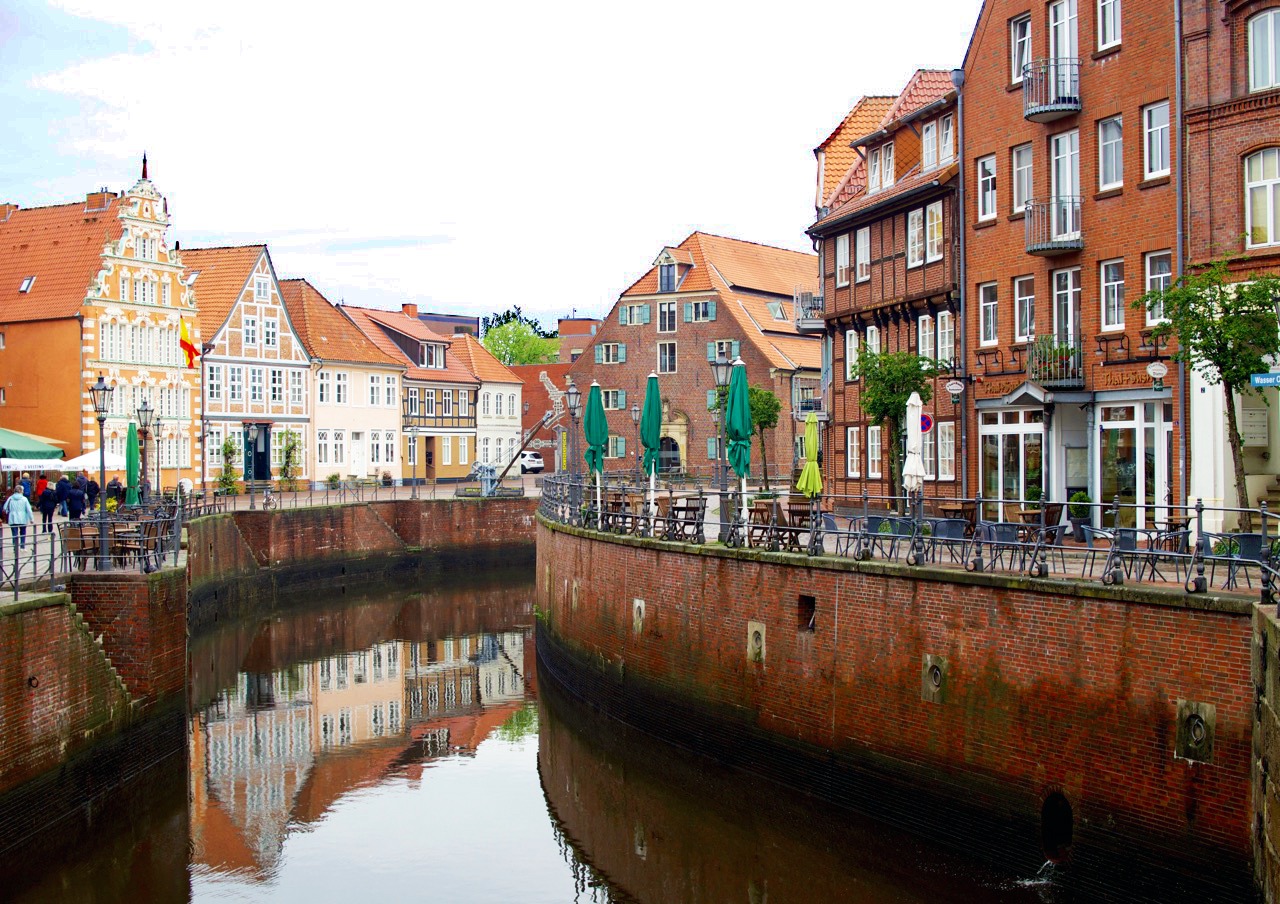
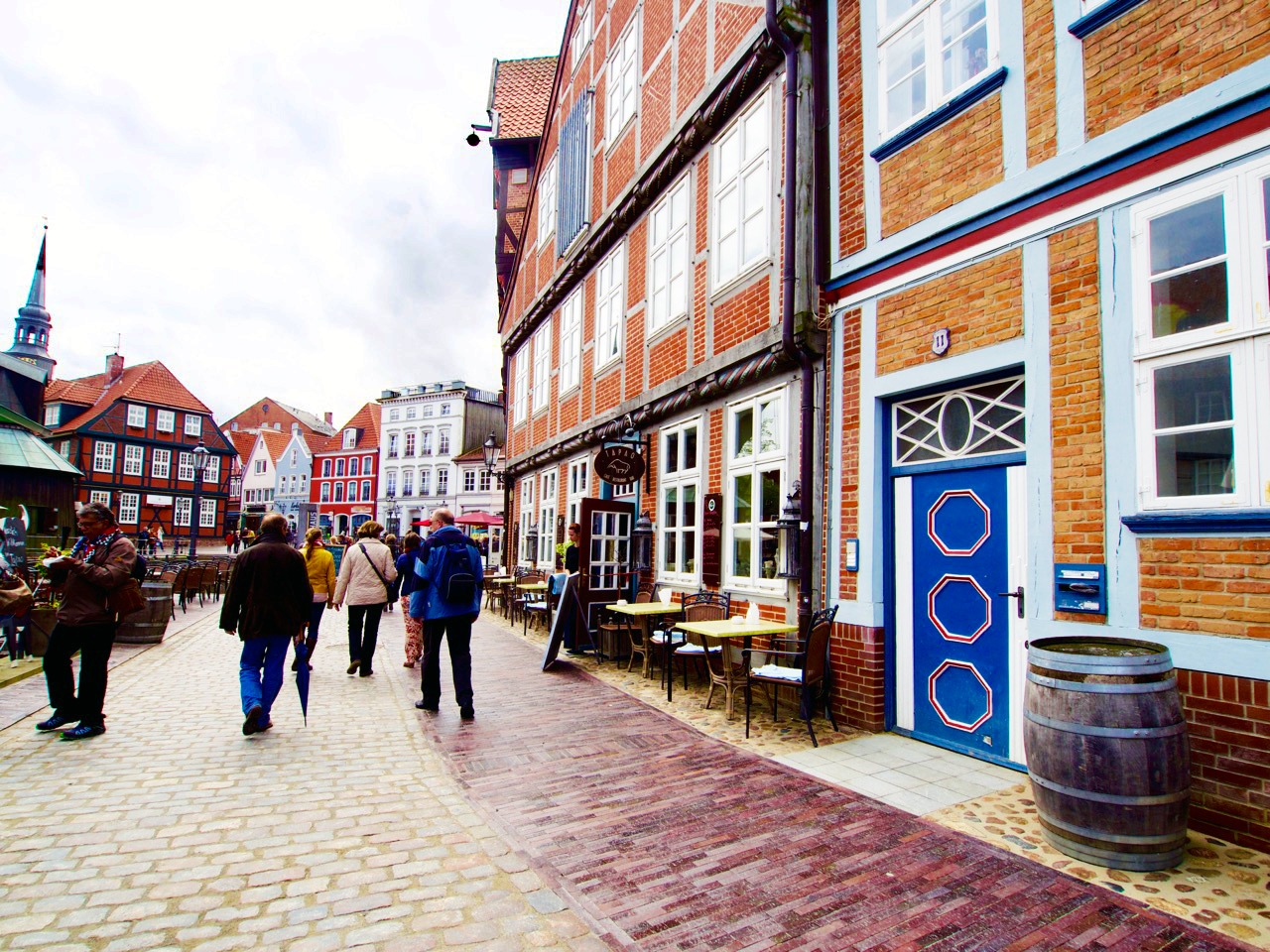
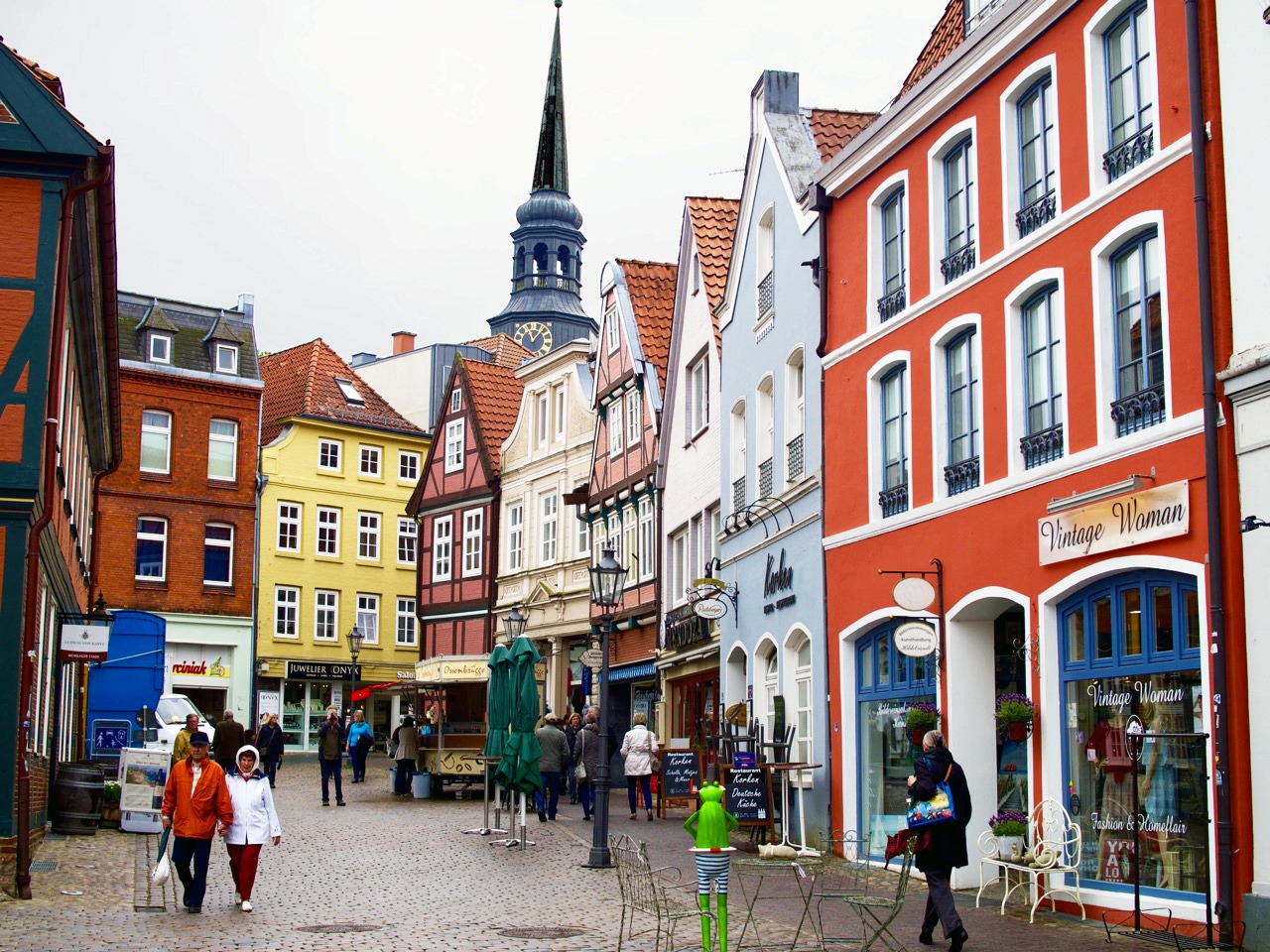
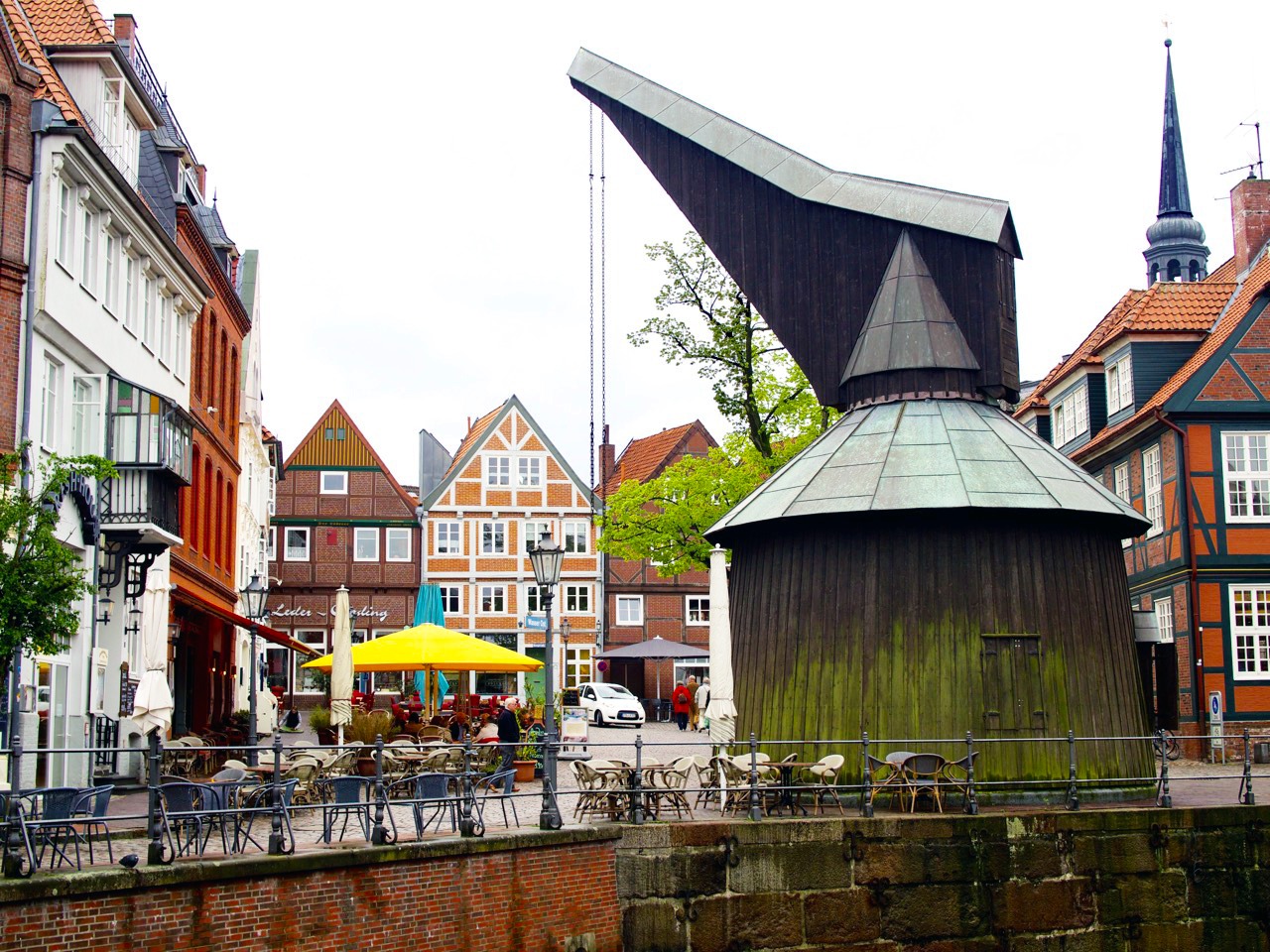

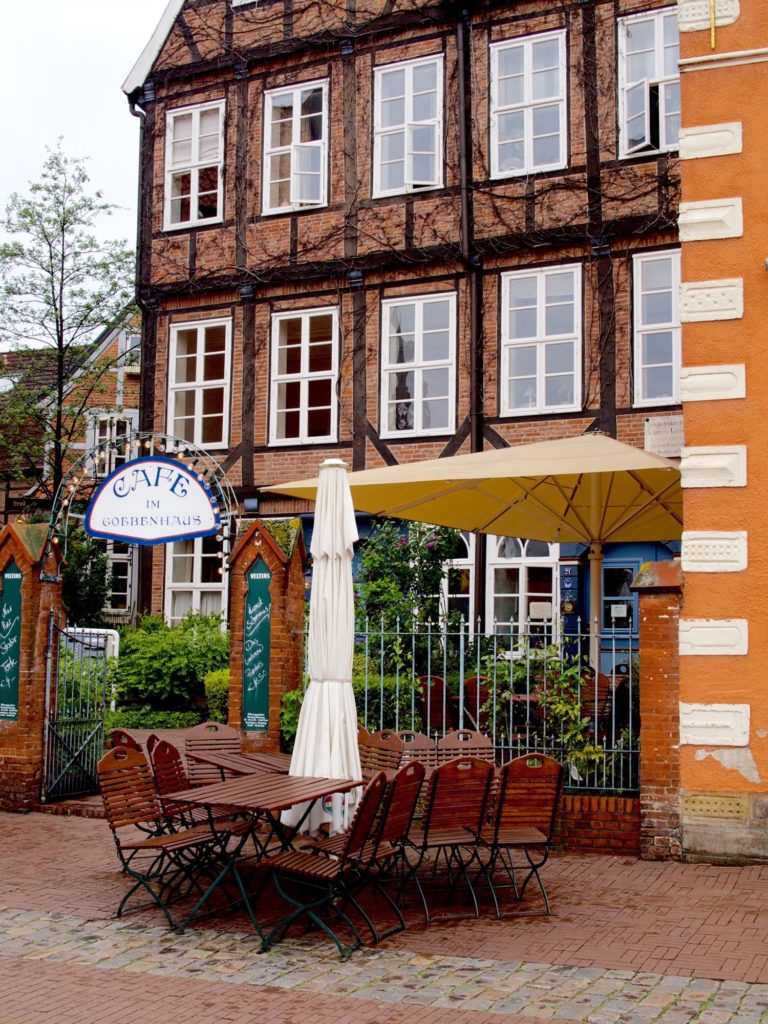
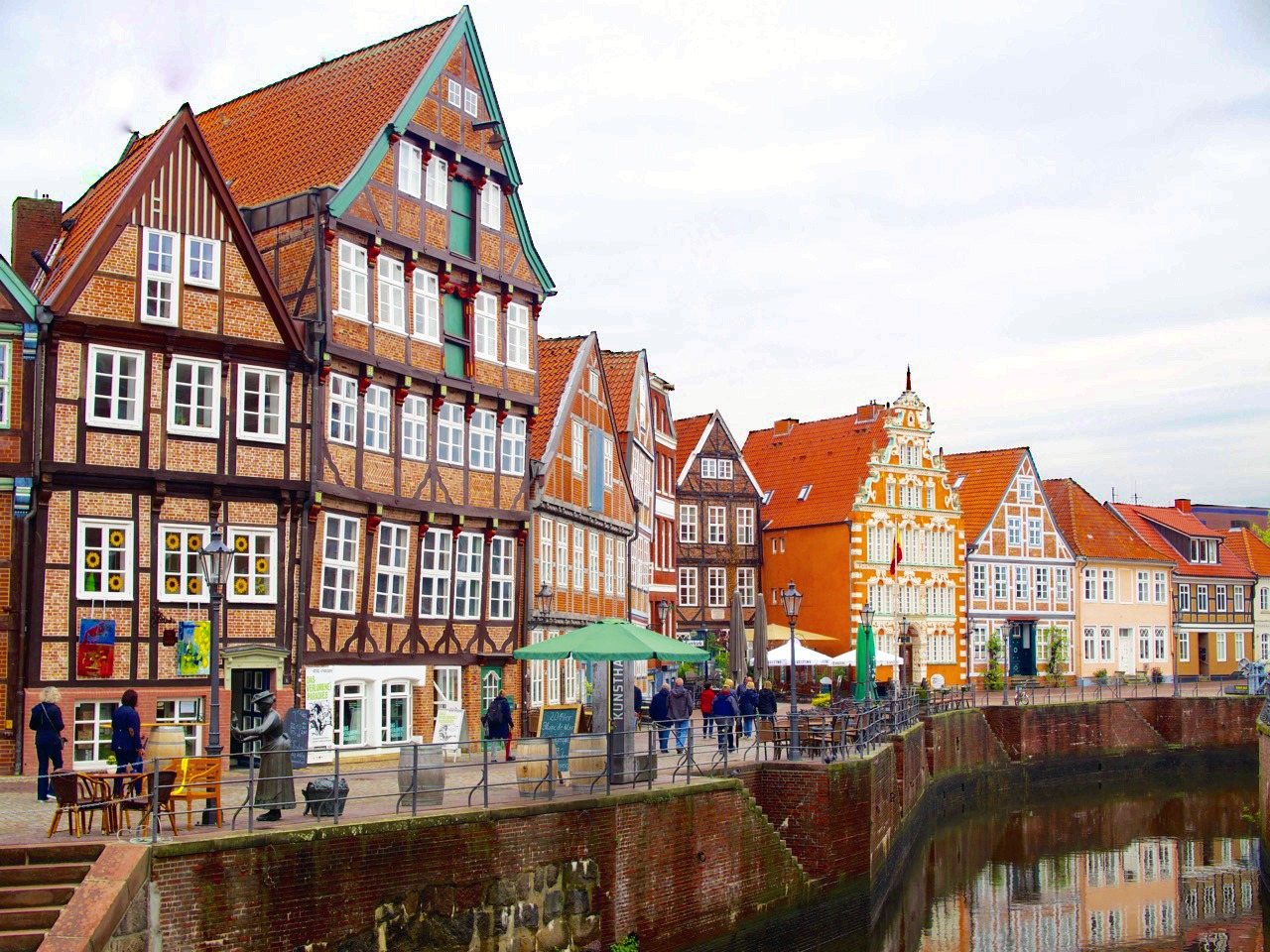
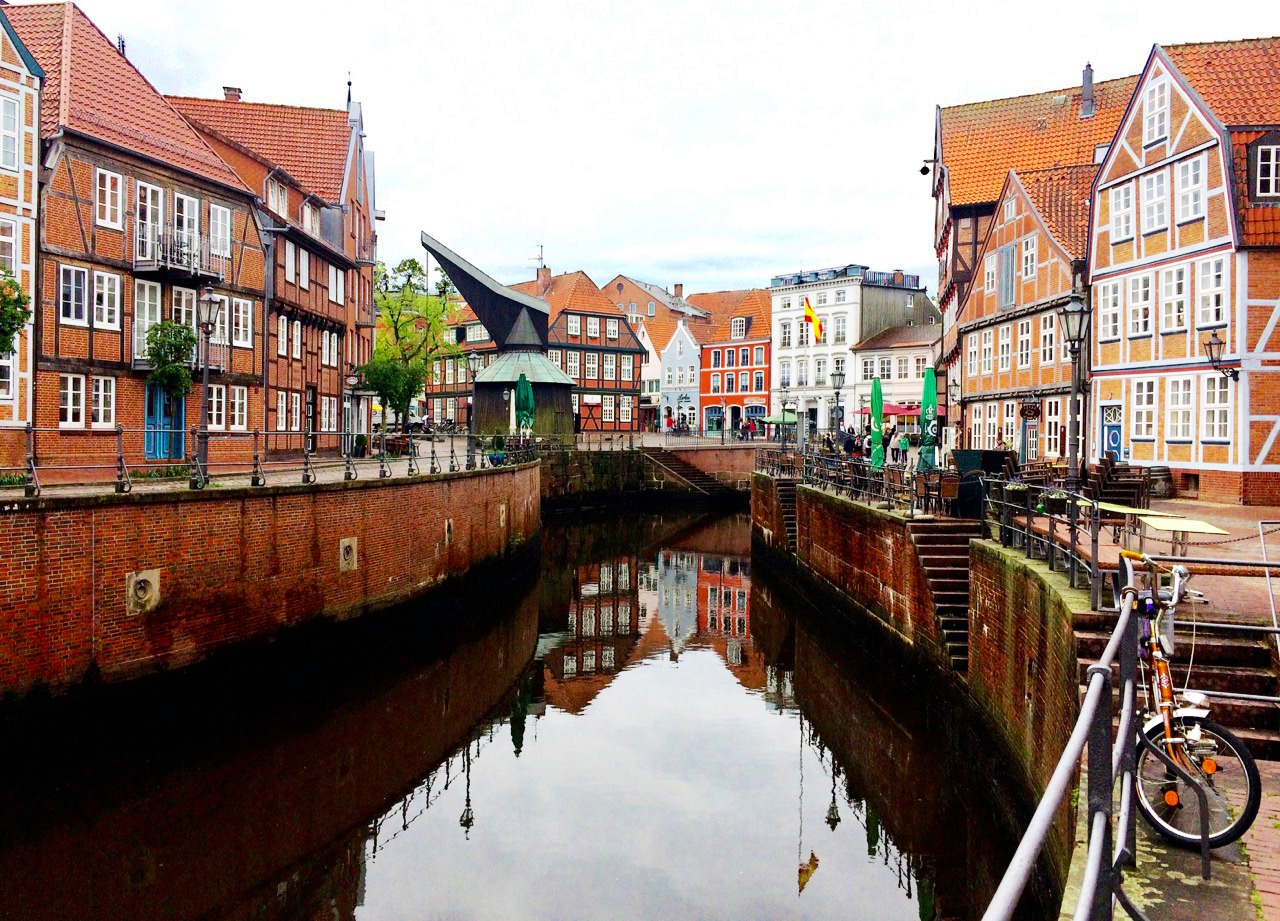
As entertaining as my local tour guide was, I had a hard time peeling myself away from the beautiful Hanse Harbour (Hansehafen). I knew there were other parts of the city to see, but the reflecting canal and the historic wooden crane (Alter Kran) completely drew me in.
This is exactly what I came to Germany for: those romantic, fascinating, physics-defying timber-frame houses that I had longed to see.
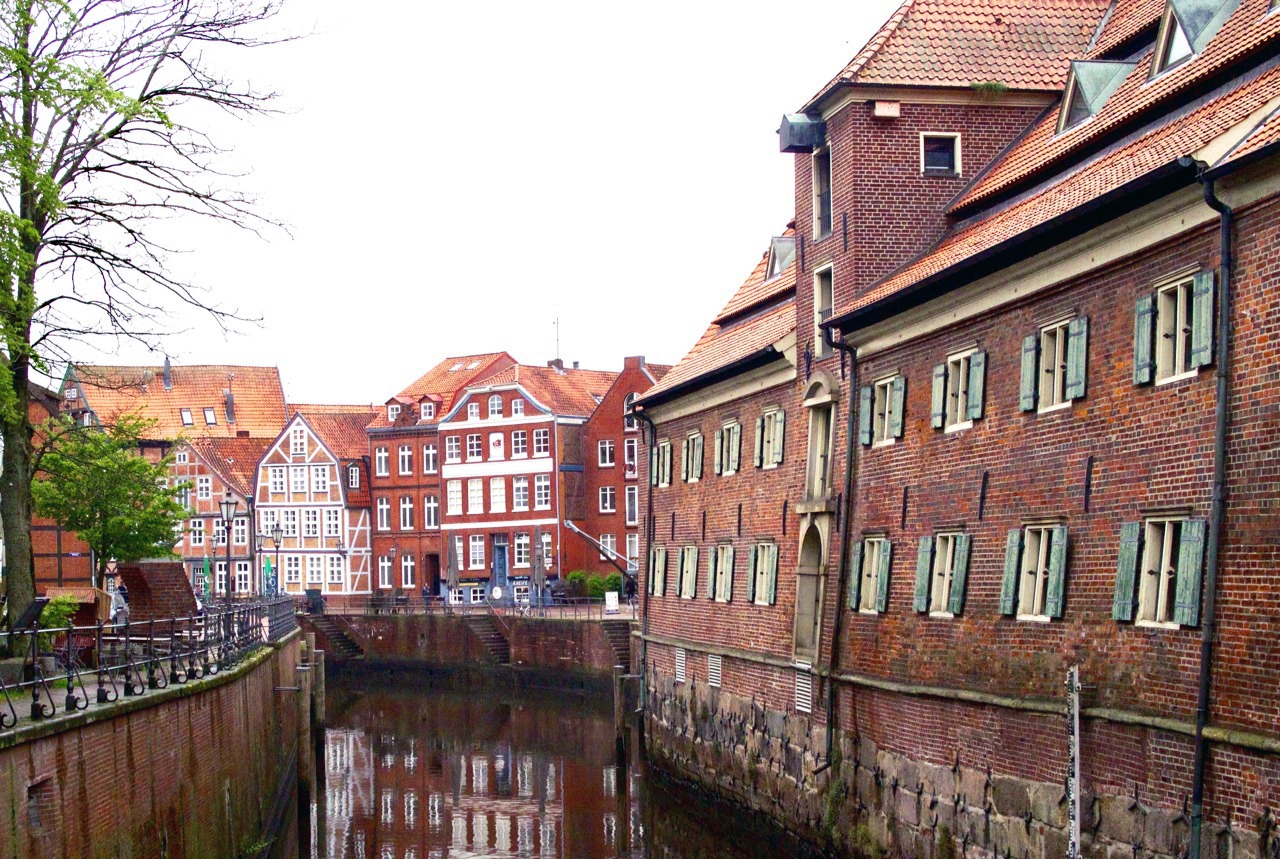
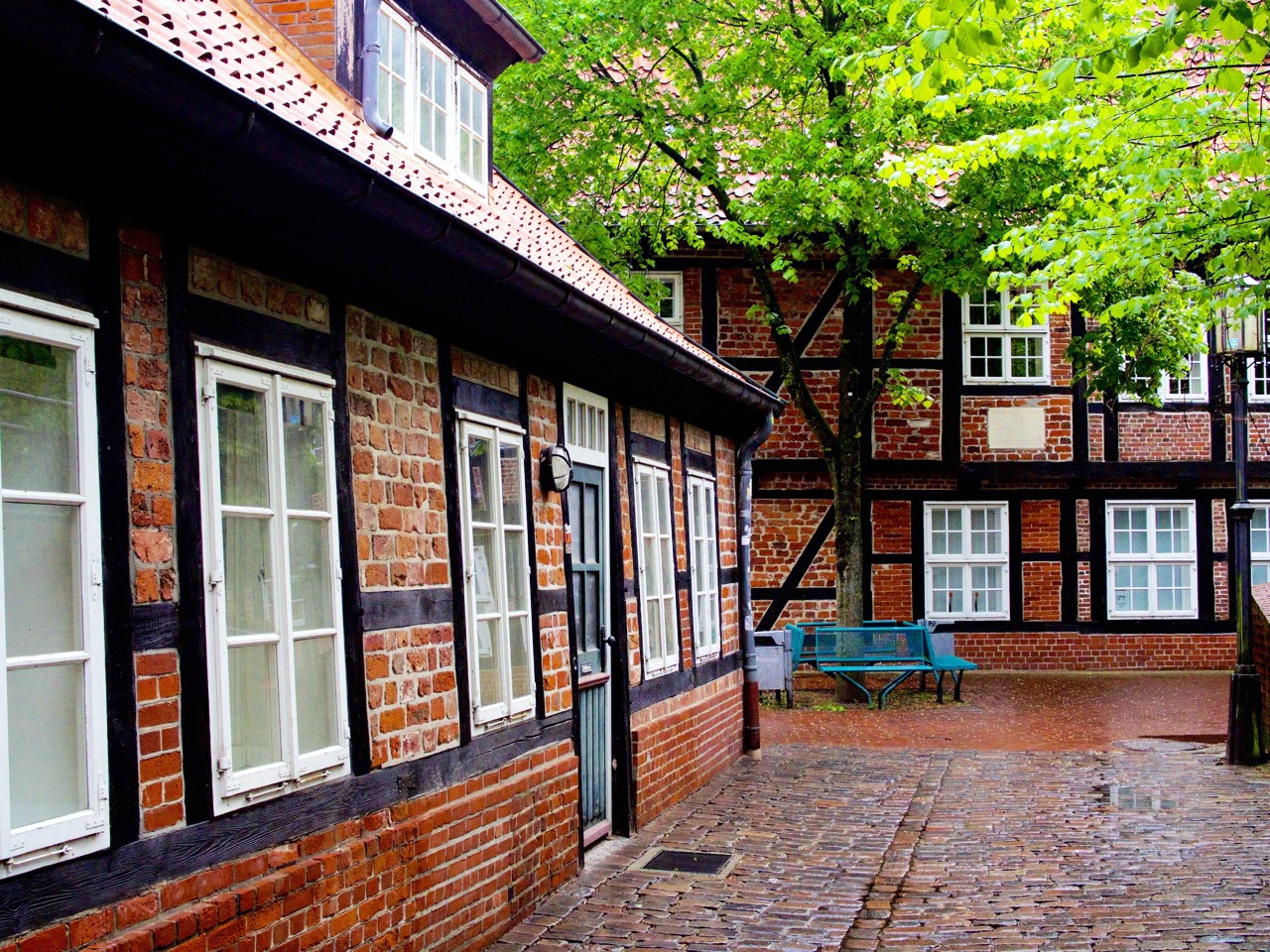
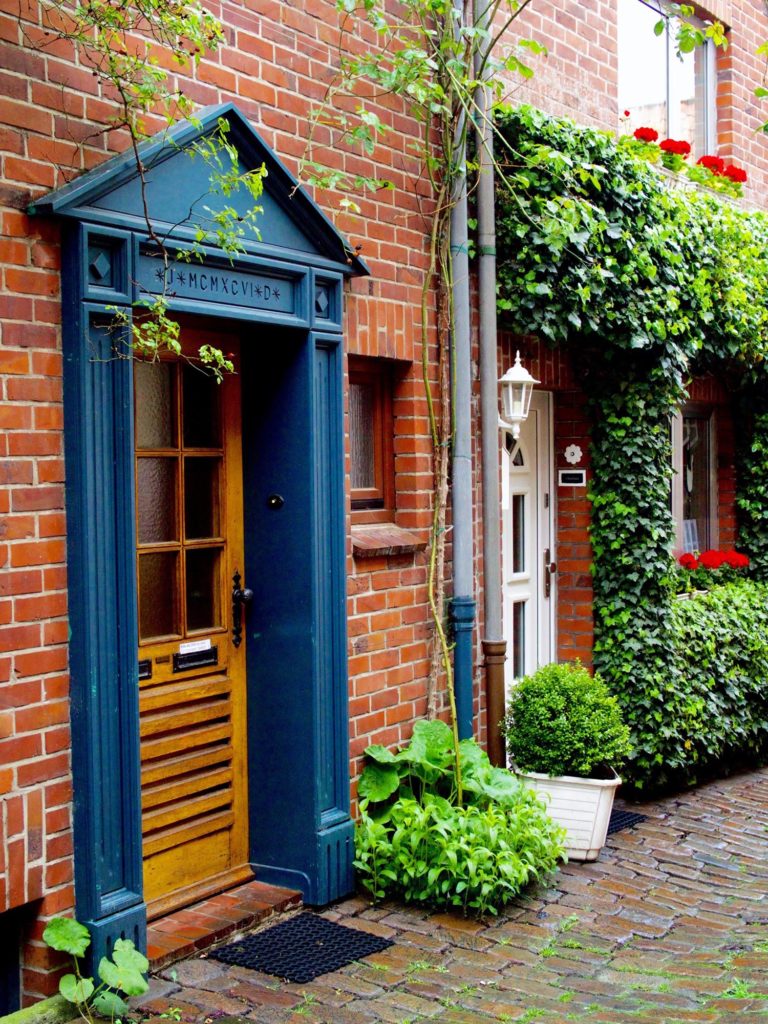
Once I managed to take my eyes off the iconic waterfront row, I quickly realized that Stade has more than one trick up its sleeve. While the most striking facades frame the water, the entire old town oozes the exact same old-world charm. The best part? Once you venture away from the harbor and into the winding, narrow alleyways, the crowds disappear. It’s just you, your camera, and these imposing architectural beauties.
From Viking raids to Swedish rule
While the first human settlers arrived in the area around 30,000 BC, Stade’s first official historical mention dates back to 994 AD. Thanks to its strategic location on the Elbe, the small hamlet quickly transformed into a major maritime center.
Of course, such valuable land constantly attracted jealous neighbors. Over the centuries, Stade bounced between German, Danish, and Swedish rule. In fact, one of the town’s most visited attractions today is the striking Swedish Warehouse (Schwedenspeicher), a massive garrison building that has been meticulously converted into a regional history museum.



Day tripping to Altes Land: Central Europe’s largest orchard
Little did I know upon leaving the city center that I was heading straight into the largest contiguous fruit-producing region in Central Europe. Spanning over 143 square kilometers, the Altes Land (which translates to “Old Country,” referencing the times it was dyked and colonized by Dutch settlers) is far from a boring stretch of flat agricultural land. Instead, it is an enchanting landscape of historic farmhouses and endless rows of fruit trees.
My guide, Frank, was incredibly excited to show me around because the cherry and apple trees were in full, glorious bloom. Having just returned from a trip to Japan a few weeks prior, I’ll admit my expectations for blooming trees were sky-high (how could anything compete with sakura season?).
But I was positively floored by the tranquil beauty of the region. Plus, there weren’t massive crowds of fast-paced tour groups pushing me out of the way for photo ops—which was a huge bonus!
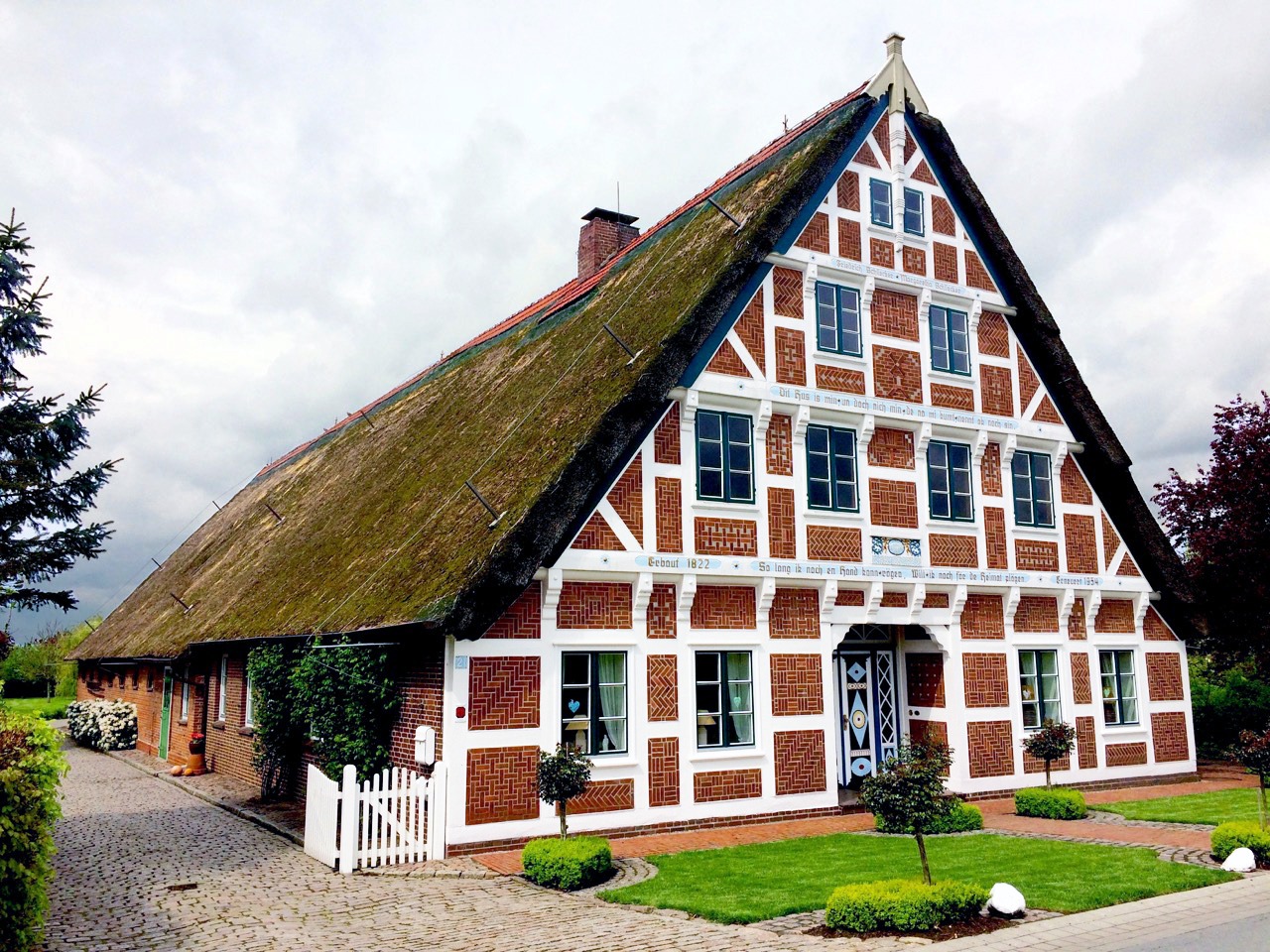
Trust me when I say that the standard North American farmhouses I’m used to have absolutely nothing on the half-timbered masterpieces tucked away in the Altes Land.
The region is famous for its Marschhufendörfer—a unique style of marshland village layout where the massive farmyards sit just a few meters off the main road, with their agricultural plots stretching out directly behind them.
The anatomy of a German Farmhouse: Known as a Fachhallenhaus, these grand structures are typically topped with steep thatched roofs and boast incredibly rich, decorative brick facades and elaborate wooden gateways.
The more ornate the design, the wealthier the family was. You can read the history of a family just by glancing at their front door: decorative carvings and blessings were inscribed over the entranceways, while the main lintel proudly displayed the builder’s name, the year of construction, and a traditional saying representing the family’s core values.


Visiting Stade and Altes Land: practical visitor guide
- Getting there: Stade is located roughly an hour northwest of Hamburg. It is easily accessible by car or via the S-Bahn (S3 line) and regional trains.
- Exploring the orchards: The Altes Land sits just a few minutes outside Stade’s old town. While you can drive the country lanes, renting a bicycle for a self-guided cycling tour is highly recommended if you want to soak in the orchard views.
- Don’t-miss highlights in Stade:
- Stroll the perimeter of the historic Hansa Harbour.
- Photograph the medieval Wooden Crane.
- Explore the exhibits inside the Swedish Warehouse Museum.
- Climb the tower of the Church of Saint Cosmae (St. Cosmae et Damiani) for a panoramic view of the timber-frame rooftops.