The complete guide to Germany’s scenic timber-frame road
One of the main reasons I wanted to take a road trip along the legendary German Timber-Frame Road (Deutsche Fachwerkstraße) was to draw attention to an exceptional architectural ensemble that somehow very few international travelers know about. This massive, 3,000-kilometer-long route stretches all the way from the North Sea down to Lake Constance, linking more than 100 historic towns and containing over 2.5 million half-timbered structures.
Yeah. It’s exactly as awesome as it sounds.
As an architecture and history geek, this was a journey I simply needed to experience for myself. It familiarized me with the sweeping legacy of the Hanseatic League, Germany’s rich cultural heritage, and its stunning, bucolic countryside. It also forced me to brush up on my German—which, unfortunately, doesn’t go much further than numbers, menu items, and basic greetings.
What’s the deal with fachwerk?
The reason Germany boasts such a staggering number of half-timbered houses comes down to historical practicality. Centuries ago, local artisans, carpenters, and farmers realized that utilizing the country’s dense, sprawling forests was the most efficient way to build structural frames.
The Fachwerk, as the Germans call it, varies immensely from one region to the next. Architectural styles and carpentry techniques shift depending on local craftsmanship and wood types; a timber-frame house in Northern Germany looks entirely different from one tucked away near the Swiss border.
If you are planning your own road trip, here is my honest breakdown of the hits and misses along the route, based on my own journey.
Stade
My hotel in Stade: H+ HOTEL STADE
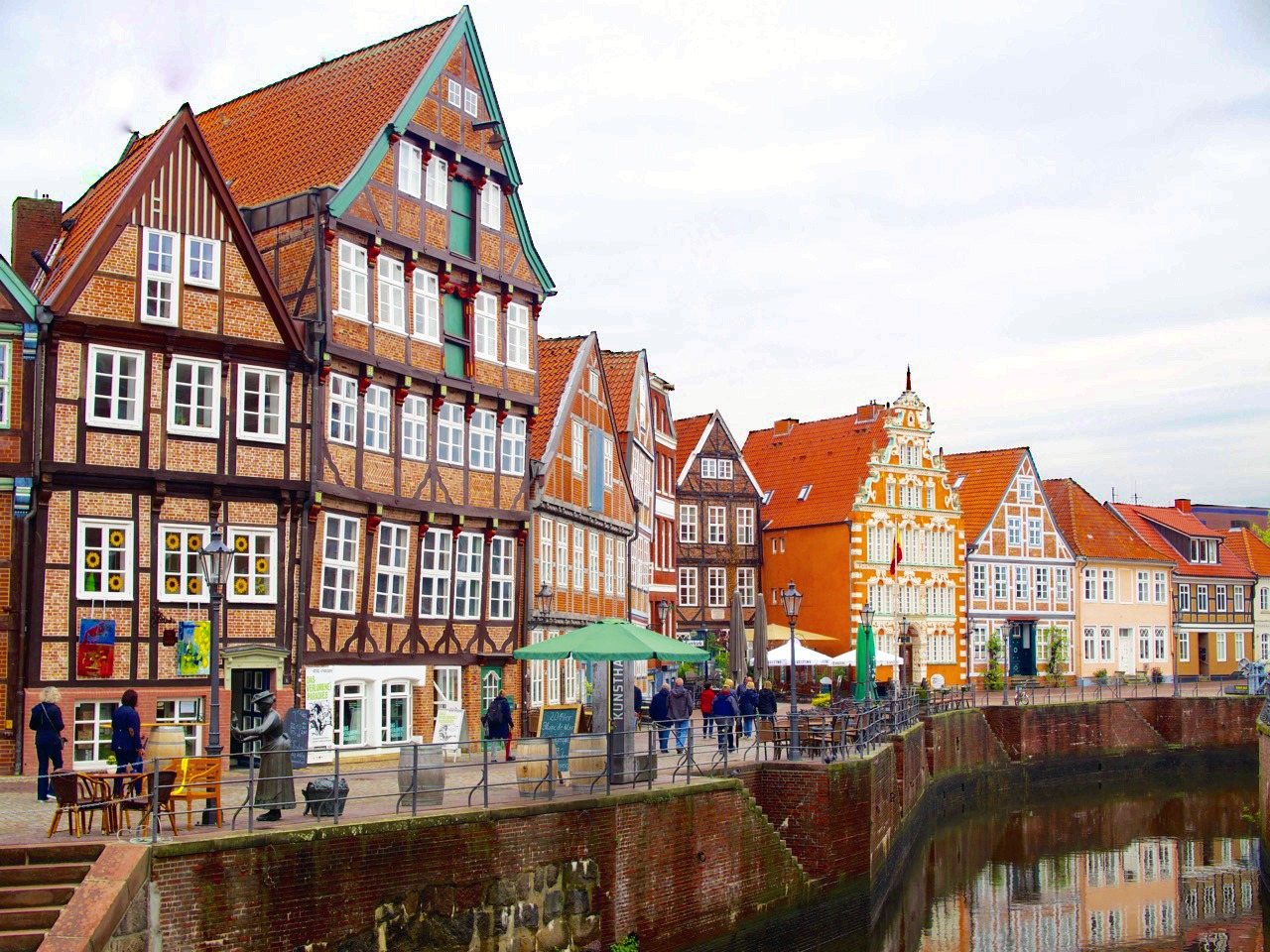
I’ve raved about Stade before, and it remains my undisputed favorite stop on the German Framework Road. If you can’t dedicate an entire weeks-long road trip to the route, Stade makes for a seamless day trip out of Hamburg, since it’s just an hour away by train or car.
The town has a fascinating maritime history and played a major role in the Hanseatic League. While the most photogenic, physics-defying buildings are clustered right along the vibrant waterfront of the old Hansehafen, the entire town oozes the exact same old-world charm. Photographing the colorful harbor row is still one of my favorite travel memories. Do yourself a favor and put Stade on your itinerary. Period.
+
germany travel tips
Salzwedel
My hotel in Salzwedel: Landgasthof Rieger
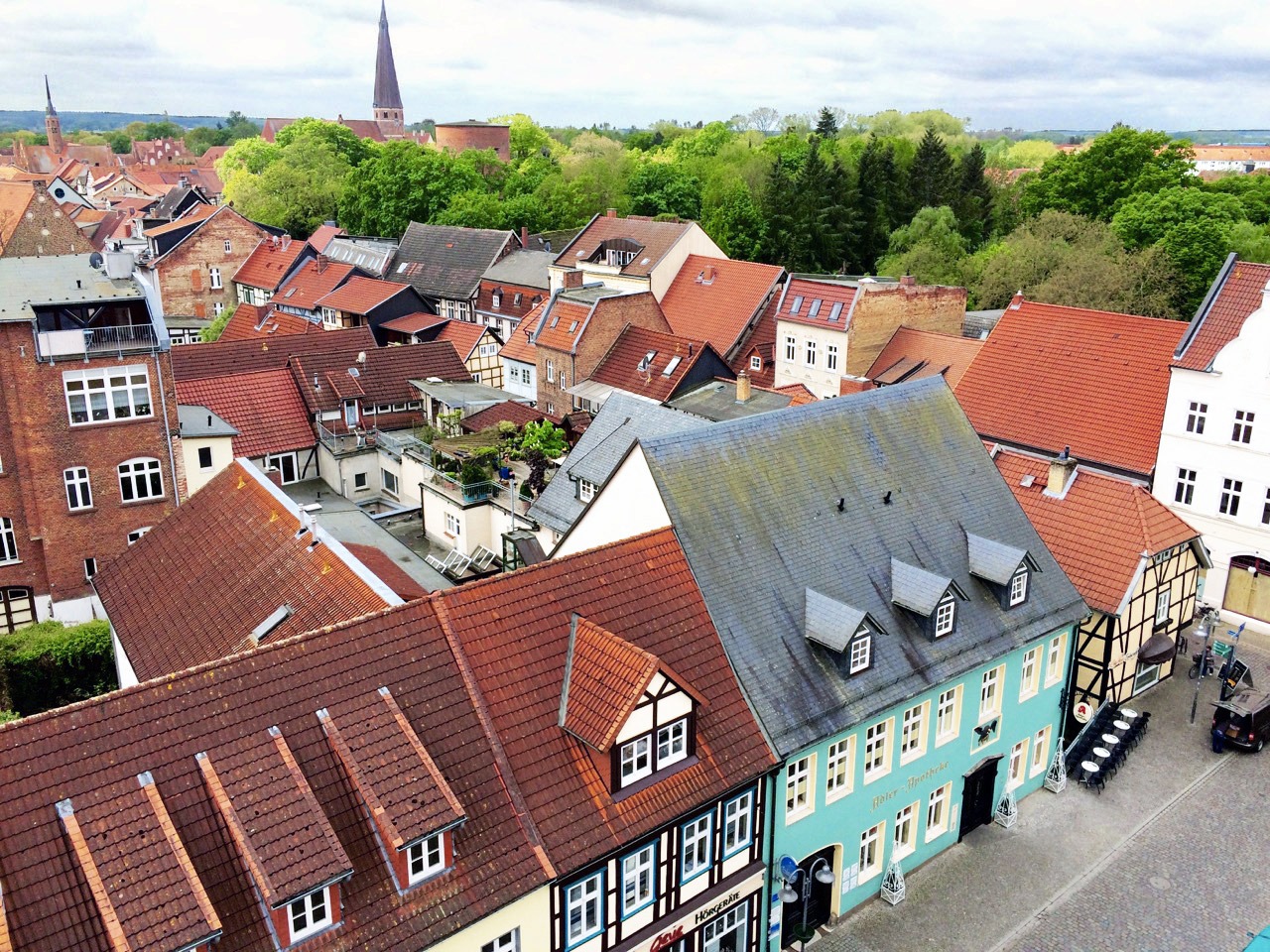

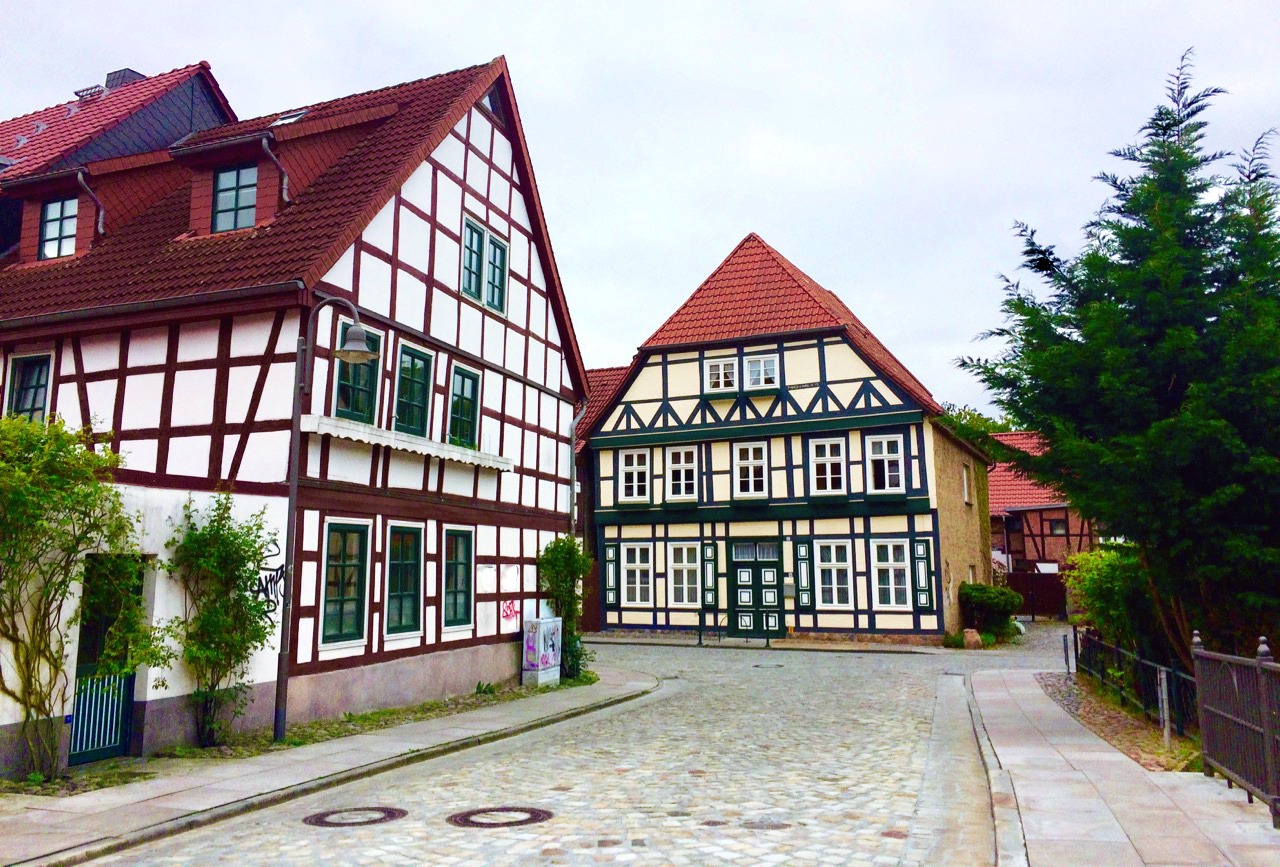
I have to mention Salzwedel on this list, but not because I recommend going—quite the opposite, actually.
While the town possesses beautiful historic buildings and an undeniable depth of history, the local tourist infrastructure doesn’t make it particularly easy for foreign, non-German-speaking travelers to stay overnight. Economic shifts have clearly taken a toll on the town, and unfortunately, a lot of local businesses have shut down. I feel terrible saying this because I know how crucial tourism is for local economies, but Salzwedel honestly felt a bit like a ghost town during my visit. I barely saw a soul in the streets. If I had to do this road trip all over again, I would skip it entirely.
Nienburg
My hotel in Nienburg: Vier Jahreszeiten Hotel
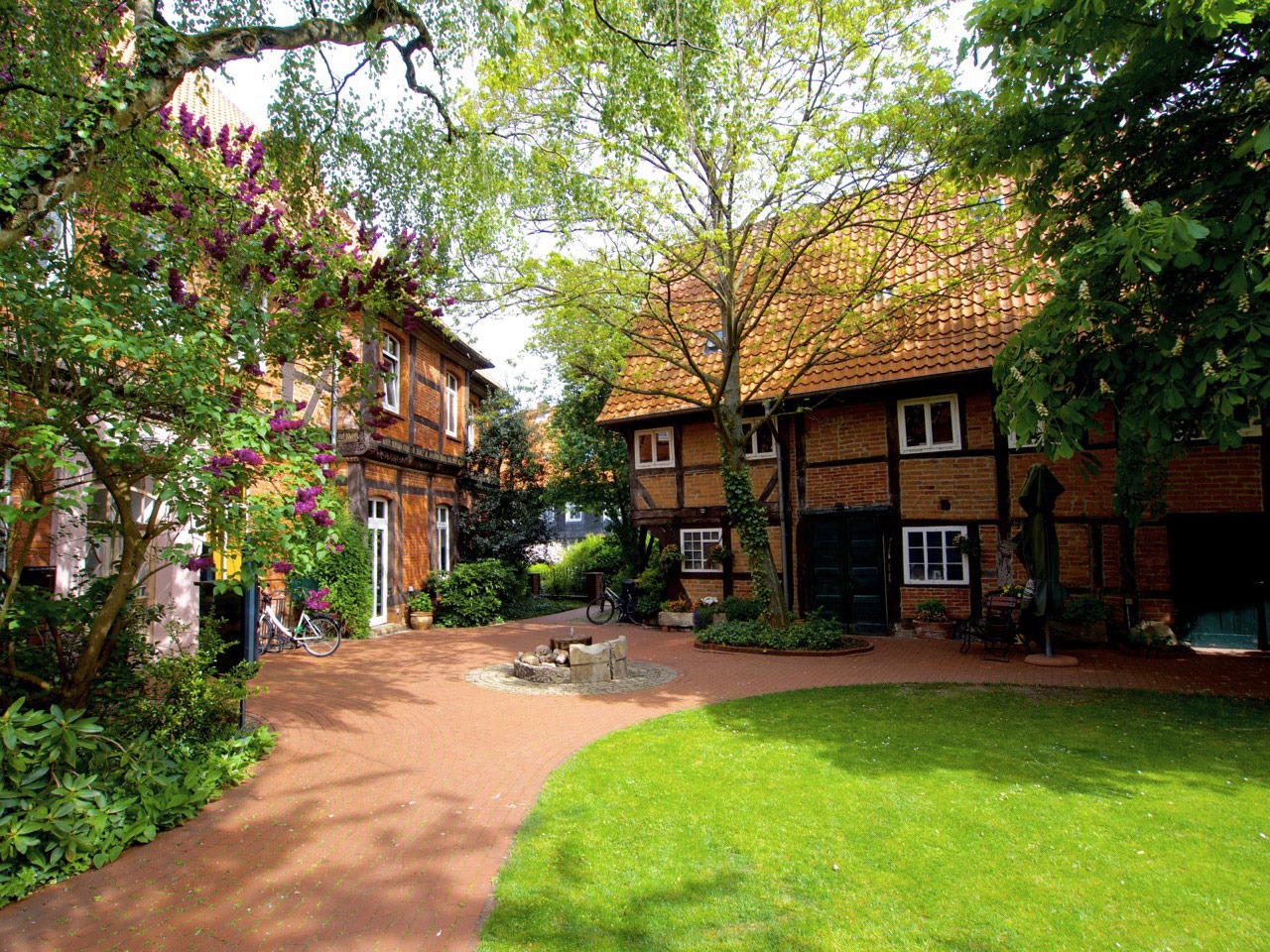
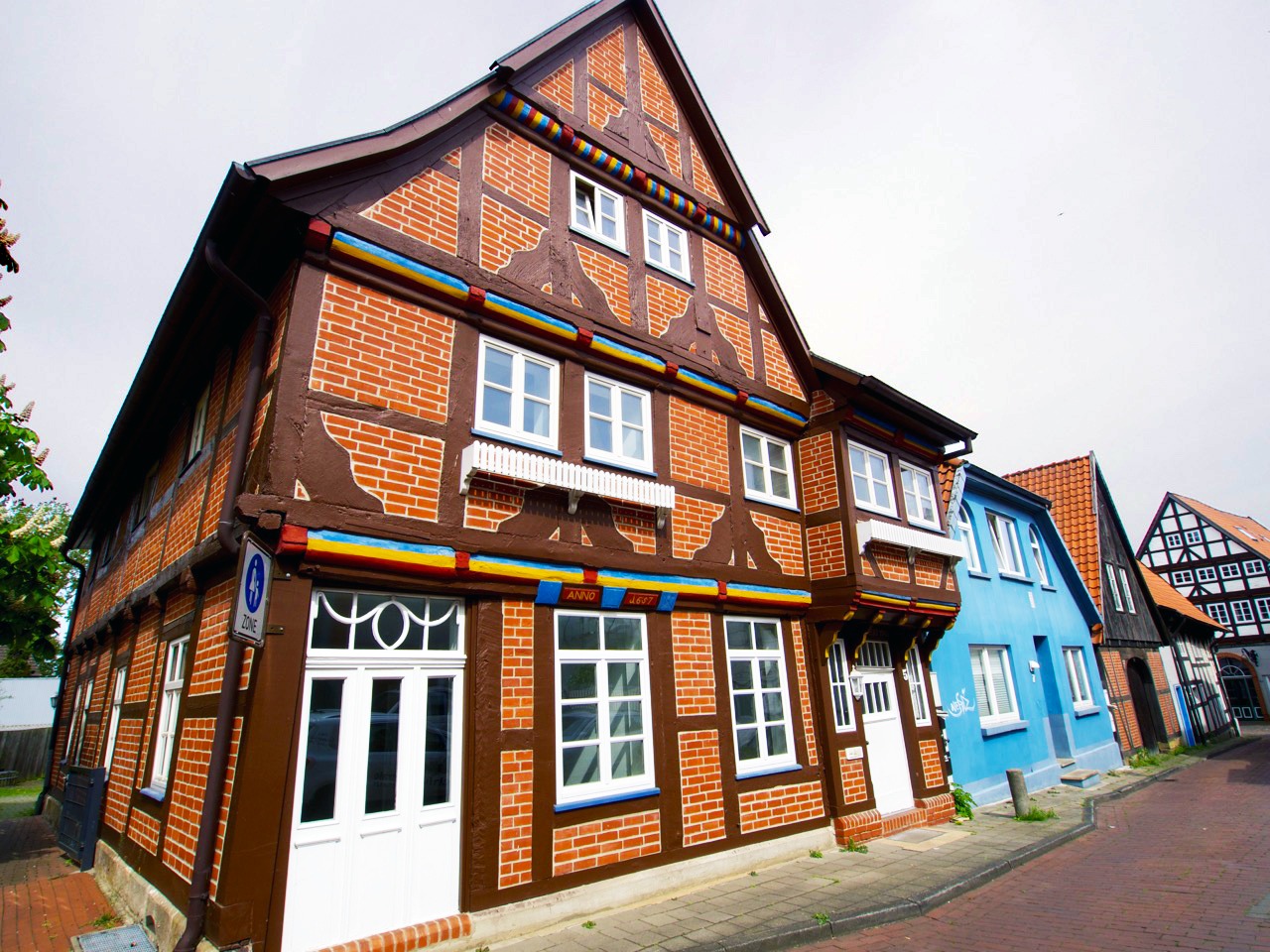
Nienburg was a lot livelier than Salzwedel, I’ll say that! Between the quiet, winding riverside paths along the mighty Weser River, the animated town square, and the independent shops, there was no shortage of things to do. I found myself wanting to linger just a little while longer, if only to sip another Aperol Spritz on a sunny patio.
Nienburg also has a fascinating maritime heritage, and I spent a lovely afternoon watching incredibly long, low-deck cargo boats glide down the water.
Only in Germany: One of Nienburg’s biggest claims to fame is its local white asparagus (Spargel) harvest. They are so proud of it that they have an entire asparagus museum and—I am not making this up—an official Asparagus Pageant Queen. Nienburg is wonderfully quirky and totally awesome.
Wernigerode
My hotel in Wernigerode: Boutique-Hotel Anno 1910
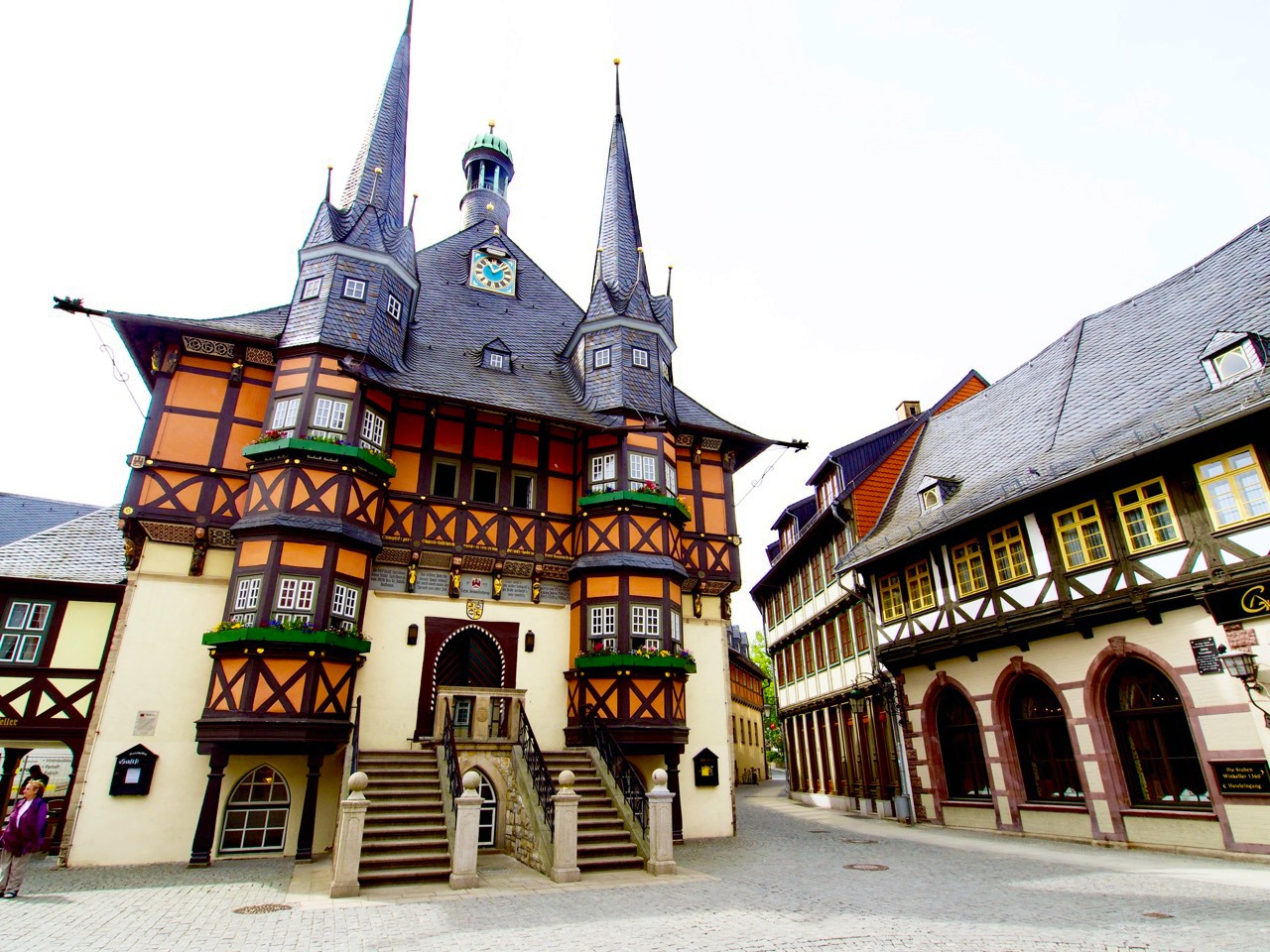
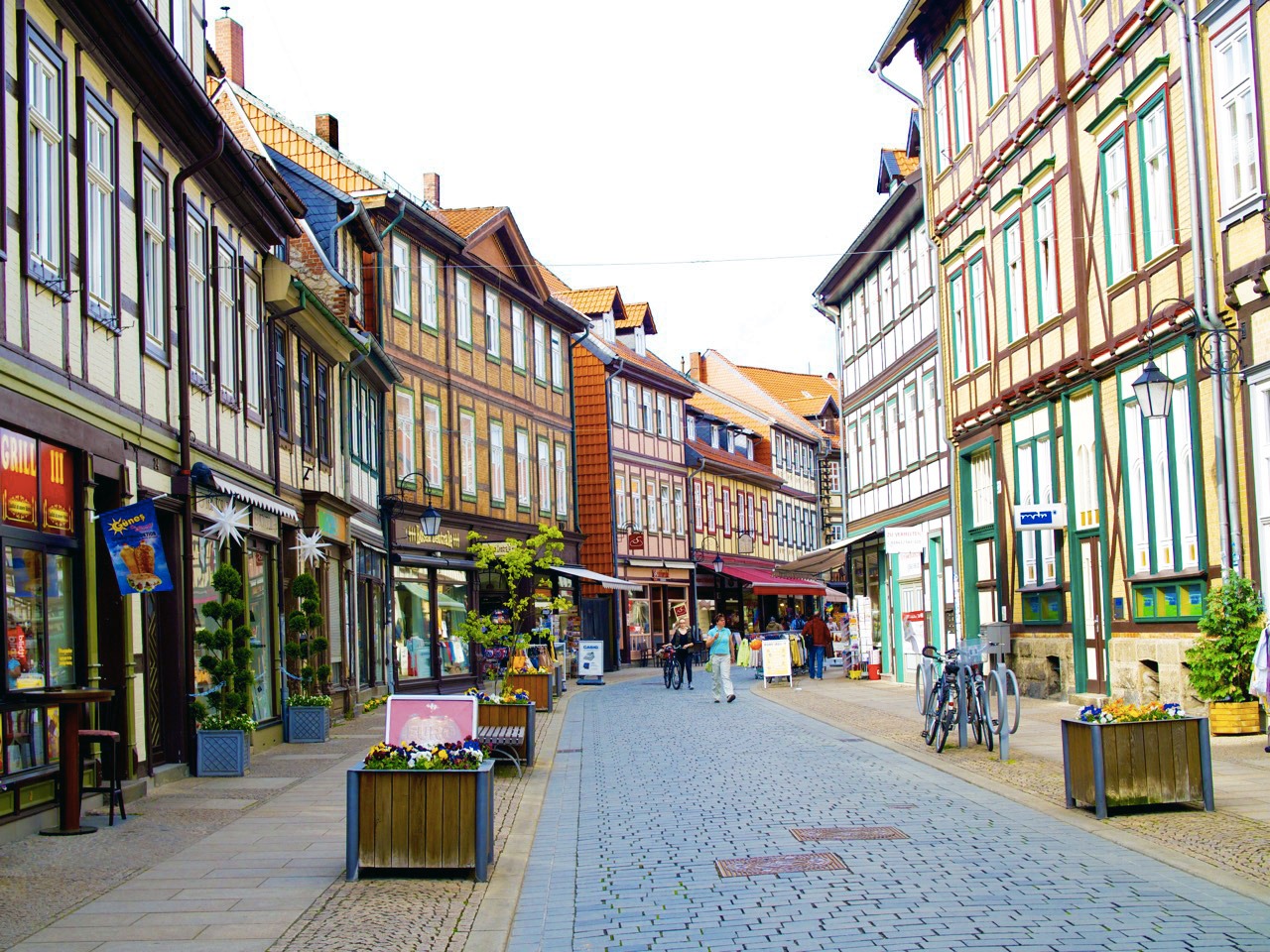
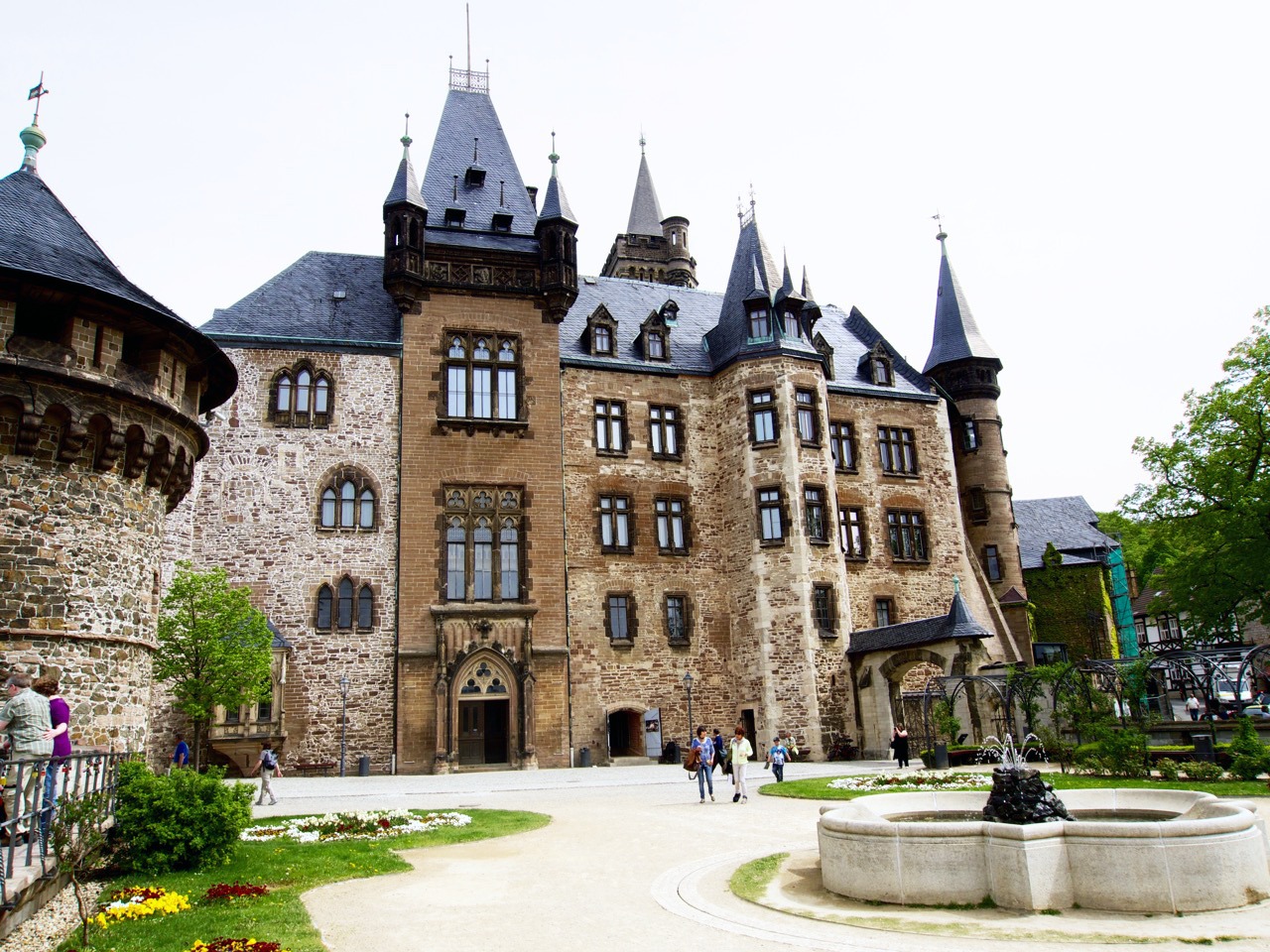
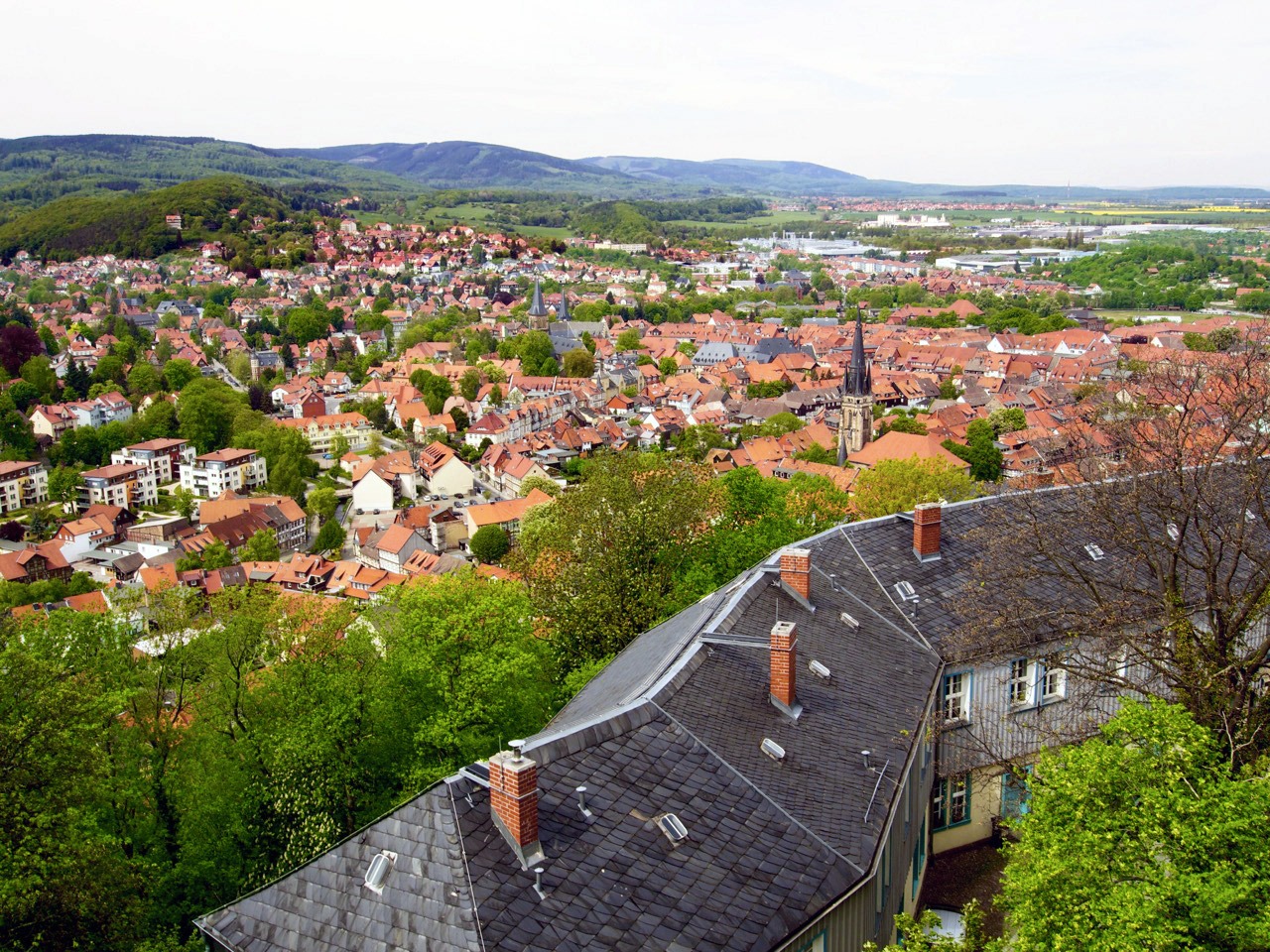
I concluded my journey in picture-perfect Wernigerode, which easily secured the spot as my second-favorite town on the route.
Wernigerode is essentially the crown jewel of the German Timber-Frame Road. It features a stunning medieval castle perched on a hill, views of the gorgeous Harz Mountains, a bustling town center, and endless rows of colorful, beautifully preserved timber houses. I could have easily spent two or three days here simply scouting the historic alleyways and marveling at the architecture. It is an absolute must-do.
+
europe travel tips
German framework road: know before you go & random observations
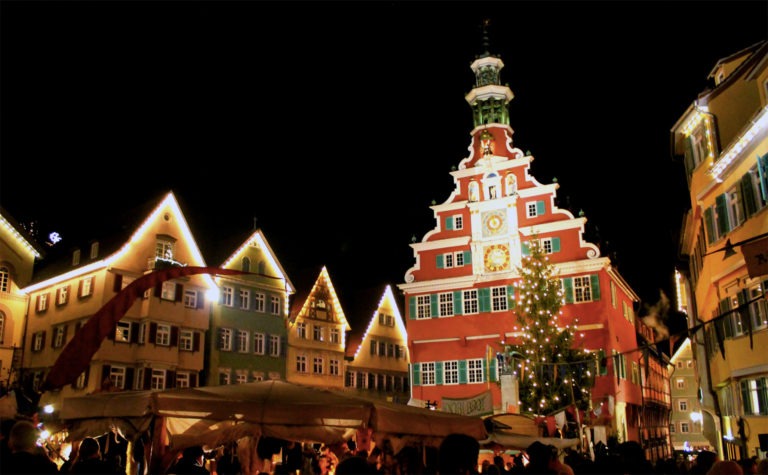
The route is spectacularly beautiful and deeply idyllic, even if it requires a bit of independent spirit to navigate as an international traveler. A few years ago, back in 2024, I fell in love with this aesthetic during a magical winter visit to Esslingen am Neckar (another absolute must-visit timber town near Stuttgart). Seeing the northern and central sections of the route only cemented my obsession. Give this route a few more years, and I wouldn’t be surprised to see it become one of the most popular driving holidays in Europe.
Before you rent a car and set off toward the fairytale facades, here are a few practical observations from the road:
- Mostly German-speaking: The Timber-Frame Road is still predominantly geared toward domestic German travelers, though more hotels and restaurants are gradually introducing English-speaking services. Language barrier challenges pop up, and helpfulness can sometimes feel far and few between. It’s very much a “figure it out yourself” kind of road trip—which, honestly, I didn’t mind at all.
- An older crowd: Regardless of which town I visited, I was almost always the youngest person around. The route’s marketing typically caters to a much older demographic, but as a traveler who tackled this in my late 20s, I can confidently tell you that this architecture and history are for all ages.
- Watch your Speed (and your mailbox): While it is entirely possible to navigate sections of the route by train, I highly recommend renting a car to truly explore the deeper countryside and stop at the tiny, unmapped villages. Plus, everyone should experience the thrill of cruising down a de-restricted stretch of the Autobahn! However, be incredibly careful on the rural country roads connecting the villages. The speed limits drop sharply and frequently as you approach town borders, and speed radars are absolutely everywhere. Guess who came home to a German speeding ticket in the mail?
Additional villages to visit on the German framework road
If you want to keep exploring, add these heavily recommended stops to your route planning:
- Quedlinburg (A UNESCO World Heritage site)
- Hann. Münden
- Goslar
- Stolberg
- Bad Urach
- Eppingen
- Esslingen (which I visited two years ago!)
- Wikipedia also has a list of the most popular cities along the route. The German Tourism Board also listed its own highlights. There is also an entire website dedicated to the German framework route.