What you need to know before moving to Montreal
Moving to Montreal isn’t like moving to any other city in North America. After living here for over twenty years, I can tell you that this city doesn’t just invite you to live in it—it forces you to adapt to its distinct, chaotic, and utterly beautiful rhythm.
If you are planning your move to Montreal, the baseline has shifted. The housing market is tighter, the linguistic landscape has fresh updates, and the city’s infrastructure is undergoing massive changes. If you want to survive your first year like a true local, here is what you actually need to know before you pack your bags.
Mastering the Montreal housing market
The days of Montreal being the dirt-cheap bohemian haven of Canada are gone, but compared to Toronto or Vancouver, you still get incredible cultural value for your money. You just have to be smarter about the hunt.
- The July 1st moving day madness: This is a real thing, not an urban legend. A massive portion of residential leases in Quebec expire on June 30th. On July 1st, the entire city plays a massive game of musical chairs. While the trend has flattened slightly in recent years, the movement is still massive. If you move on this day, book your truck several months in advance. Better yet, target leases that start in May or September to avoid the absolute chaos.
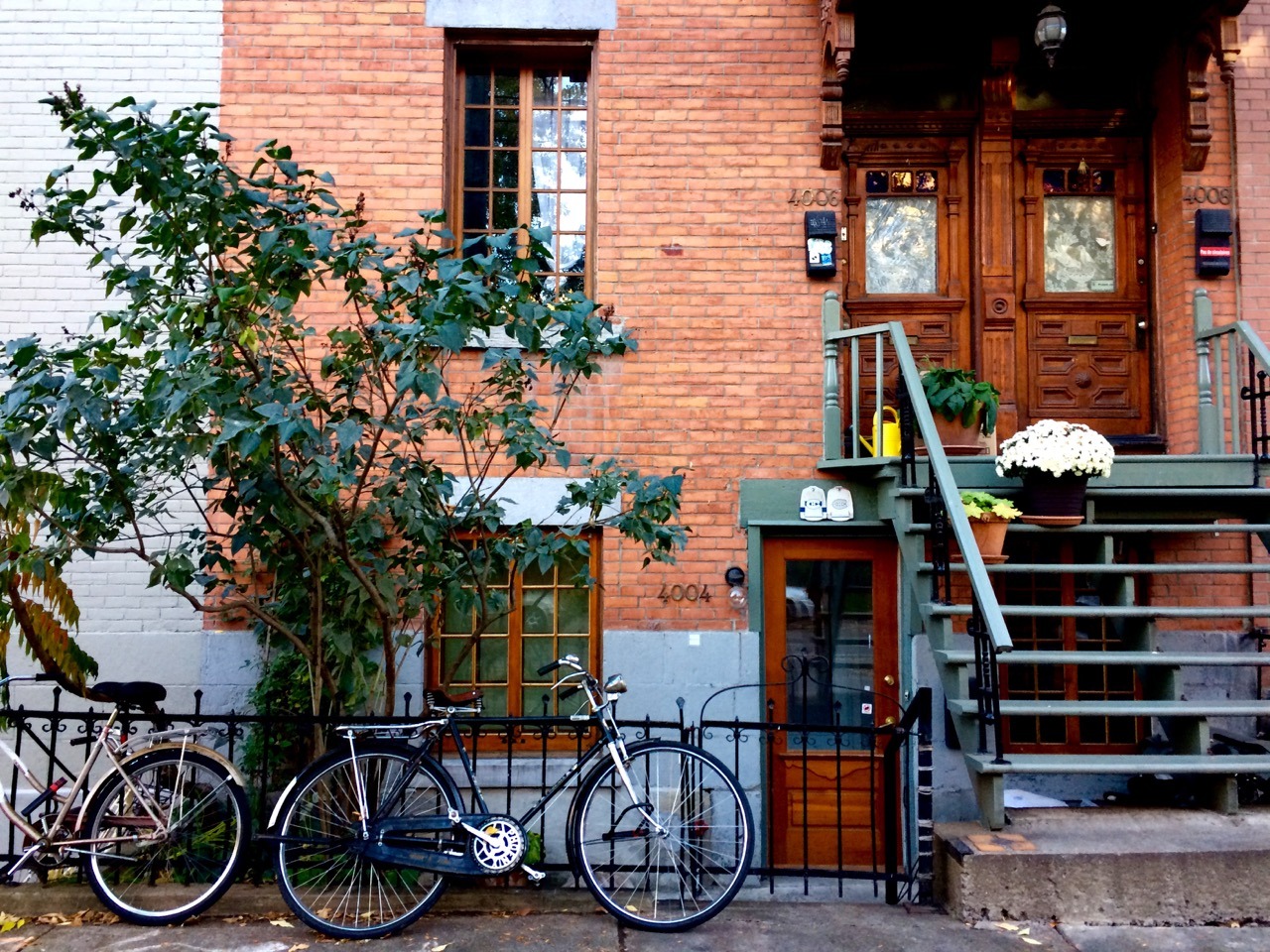
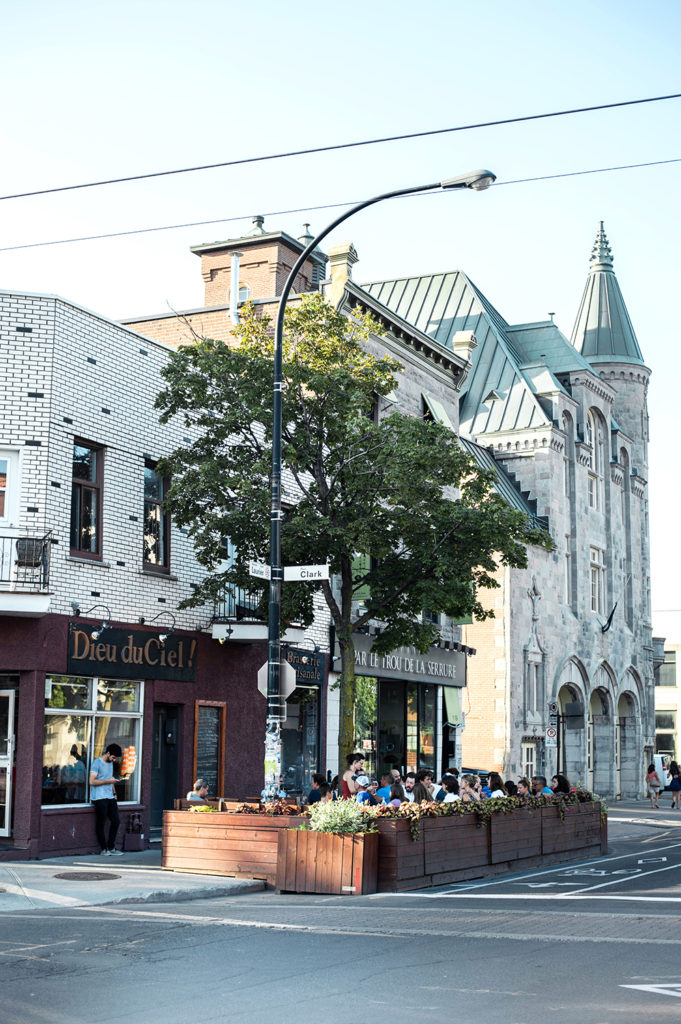
- Focus on the neighborhoods: Don’t just default to downtown. If you want the quintessential Montreal experience, look at the Plateau-Mont-Royal for classic exterior staircases and leafy streets, Mile End for independent coffee shops and artistic energy, or Petite-Bourgogne for a booming culinary scene right by the Lachine Canal.
- Hidden apartment costs: When apartment hunting, always ask if the rent is chauffé (heated), especially if the building uses a central water or electric system. If it isn’t, plug the address into the Hydro-Québec website to get a real history of the heating bills. Trust me, you do not want to find out what it costs to heat a drafty, 100-year-old stone triplex in January after you sign the lease. Also, ask about appliances (électroménagers)—unlike the rest of Canada, Montreal landlords frequently expect you to bring your own fridge and stove.
- Know the tenant laws: Quebec has some of the most robust tenant protections in North America under the Tribunal administratif du logement (TAL). Read up on your rights regarding rent increases, lease transfers, and landlord obligations before you sign anything.
- Cost of living pressures: Like major urban centers globally, Montreal faces an increased cost of living and a lack of housing rule enforcement, which has contributed to a visible rise in homelessness across the city. It is an important reality to be aware of as you settle into the urban core.
Language laws and social integration
Let’s address the elephant in the room.
Yes, you can survive in Montreal speaking only English, especially in western neighborhoods like Westmount, Notre-Dame-de-Grâce, or parts of downtown.
But surviving, experiencing, and truly becoming part of the community are three entirely different things. While Montrealers are incredibly friendly by nature, the city can feel relatively small and clique-y to newcomers who stick to linguistic bubbles.
With the recent enforcement of Bill 96 updating Quebec’s French language laws, the provincial government has tightened rules around workplace communication and access to public services in English. If you want to build a long-term career here, learning French isn’t optional; it’s your lifeline. Finding initial work without being fluent in French is tough but possible, but it won’t get any easier as time passes. Furthermore, do not even think about navigating the permanent residency or Canadian citizenship track down the line without hitting the required French proficiency benchmarks.
The good news? The government offers heavily subsidized, and sometimes free, French courses through the Francisation program. Locals will love you if you try. Even a clumsy, accented Bonjour shows you respect the local culture, and it opens doors immediately.
Montreal’s infrastructure and transit

- The REM: The Réseau express métropolitain (REM)—our shiny, fully automated light rail network—is fully operational, connecting the South Shore, downtown, and the West Island. If you commute from the suburbs, targeting a neighborhood near a REM station is a massive quality-of-life win.
- The Underground City (RÉSO): Our metro system connects directly to a massive 32-kilometer network of underground walkways, malls, and food halls beneath downtown. Skip it as a tourist attraction—contrary to what guidebooks say, it is mostly a sterile concrete maze. However, if you live or work downtown, these halls are an absolute blessing on a blizzard day.
- Bixi bike-sharing: Montreal is one of the most bike-friendly cities on earth. Our bike-sharing system, Bixi, features a massive fleet of regular and e-bikes from April to November. Download the app immediately; skipping the gridlock on our expansive bike path network is often faster than a car or bus. Just know the rules: wear a helmet if you opt for an e-bike, and follow the driving code strictly. Police aggressively ticket cyclists who turn right on red lights and pedestrians who jaywalk.
- The traffic reality: Yes, traffic here is awful. There are construction works pretty much permanently on any given day, in any given neighborhood. Whether you blame poor planning or a lack of efficiency, rush hour traffic is very real and will impact your commute.
- Ditch the car: Between parking permits (vignettes), confusing street-parking signs, and the endless maze of orange construction cones, owning a car in the city center is a full-time chore. Combine a Bixi membership, an STM metro pass, and a Communauto (our local car-sharing service) account for the rare days you need to haul groceries or head to the Laurentians for a hike.
Surviving and embracing the Montreal winter

If you are moving here, you need to understand that winter isn’t just a season; it is a collaborative endurance sport that we actively integrate it into our social lives.
- The real secret to layering: It isn’t the snow that breaks you; it’s the intense humidity. A heavy canvas parka is fine, but a windproof outer shell over a high-quality merino wool or fleece mid-layer is the real defensive strategy. Do not skimp on boots. Buy something waterproof with thick rubber traction soles to survive the treacherous slush puddles and black ice.
- Snow removal etiquette: When you hear loud, dual-tone sirens echoing through the streets after a major blizzard, it means the city’s massive snow removal fleet is coming to scoop up the snowbanks. Look at the temporary orange signs stuck in the snow very carefully. If you park your car there, or even if you leave your trash bins blocking the path, a tow truck will aggressively drag your vehicle to a random legal spot a few blocks away, and you will face a massive fine.
- Learn to love the dark months: If you hide indoors from December to April, seasonal blues will hit hard. Locals fight the winter slump by heading straight outside. Strap on some skates for the illuminated ice paths at Parc La Fontaine, rent cross-country skis to tackle the snow-packed trails up Mount Royal, or dance in a snowsuit under the neon lights of Igloofest in the Old Port.
Guide to buying alcohol and cannabis
The rules for buying controlled substances in Quebec are distinct and fully state-regulated.
- SAQ vs. Dépanneurs: Want wine or beer? You can buy all kinds of beer—including both massive commercial brands and elite local microbreweries—and basic mass-market wine at the local dépanneur (corner store) or grocery store until 11:00 PM. But if you want a specific bottle of natural wine, imported vintages, or spirits, you have to visit the state-run SAQ (Société des alcools du Québec).
- SQDC: Cannabis is legal, but it is strictly regulated by the state-run SQDC (Société québécoise du cannabis). You must be 21 or older to enter or purchase here (which is higher than the province’s legal drinking age of 18). Strict rules also govern where you can legally smoke, so familiarize yourself with municipal bylaws to avoid hefty fines.
- Embrace the 5 à 7: The local version of happy hour runs from 5:00 PM to 7:00 PM, and it is a sacred institution. It is how we network, decompress after work, and transition to the social evening—especially on glorious summer days when patio terraces open up.
Essential local tips for summer in Montreal
- The Summer weather shock: Do not assume that because Canada is a northern country we get cool summers. We don’t. Montreal summers are intensely hot and heavily humid. Air conditioning isn’t a luxury when July hits; it is a survival requirement for your apartment.
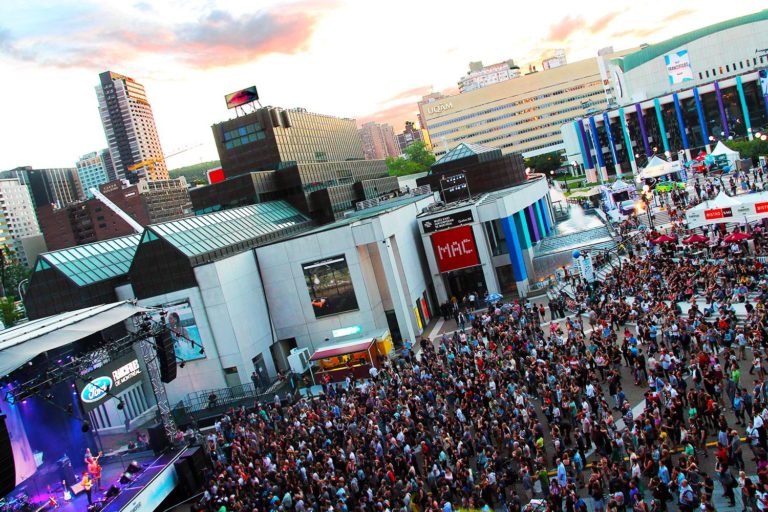
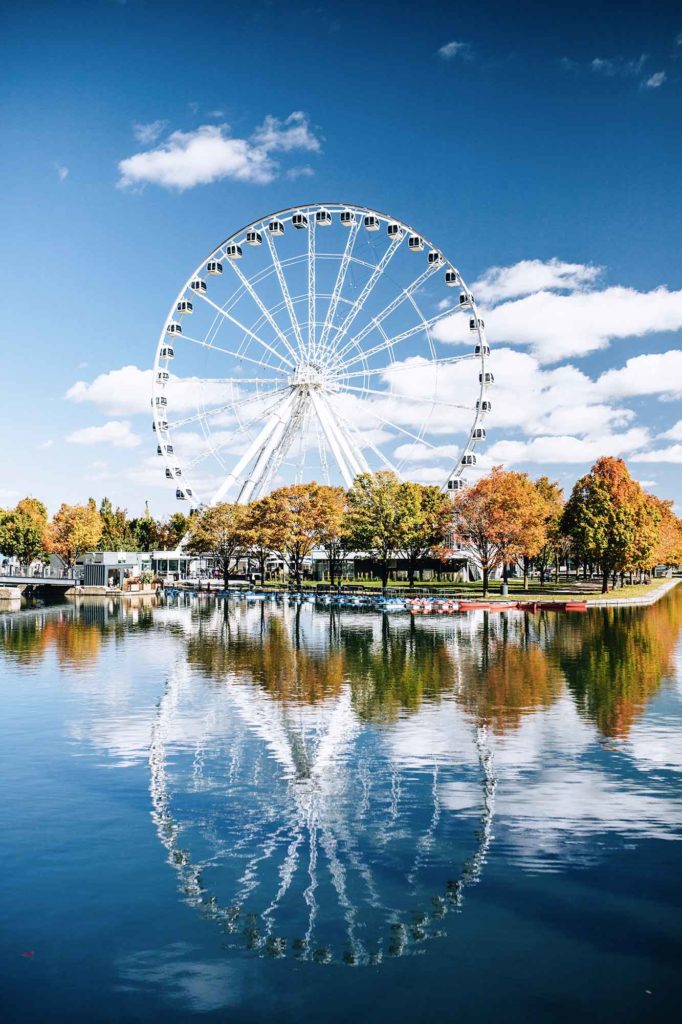
- Festival season magic: From June to August, the city completely transforms. The entire Downtown core shuts down streets for the International Jazz Festival and Just for Laughs, while the sky lights up for the international fireworks competition. The energy is pure magic, and the city completely makes up for the long winter months.
Moving here requires an open mind, a solid winter coat, and a willingness to embrace a bit of institutional chaos. But once you find your favorite local bakery, master your metro commute, and experience your first glorious, sun-drenched terrace season in May, you’ll realize exactly why nobody ever wants to leave.