11 beautiful Cotswolds villages you need to see
It’s no wonder they’re one of the most popular day trips from London: the picture-perfect Cotswolds villages below are pretty much the literal embodiment of the word “quaint”. A ubiquitous term you’ve certainly become acquainted with over the course of your reading about England. For it’s simply not possible to even begin to appropriately describe the Cotswolds and forego the adjective.
For all I know it probably originated right here, in southern England.
Located just a few hours outside London, the Cotswolds is the kind of place you go to explore villages on foot, indulge in a cheeky cream tea and a scone (or two, or three) and immerse yourself in the complex history the region famous for its abundance of honey-coloured cottages.
Here is a list of Cotswolds villages you simply cannot miss, either because of their significance or their sheer visual appeal (totally a valid reason). Also included: a few useful tips for planning your itinerary.
+
ENGLAND travel tips
Burford
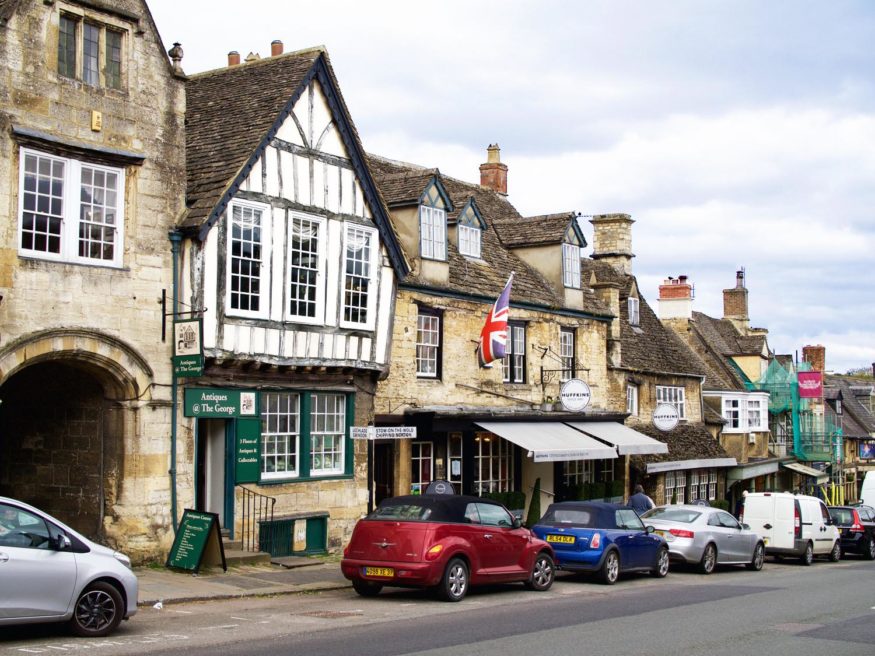
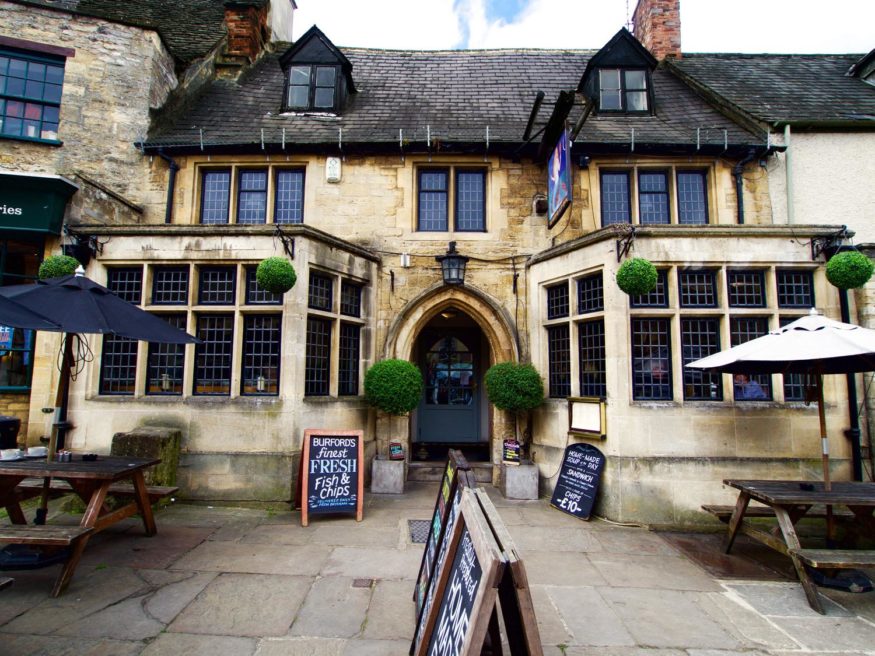
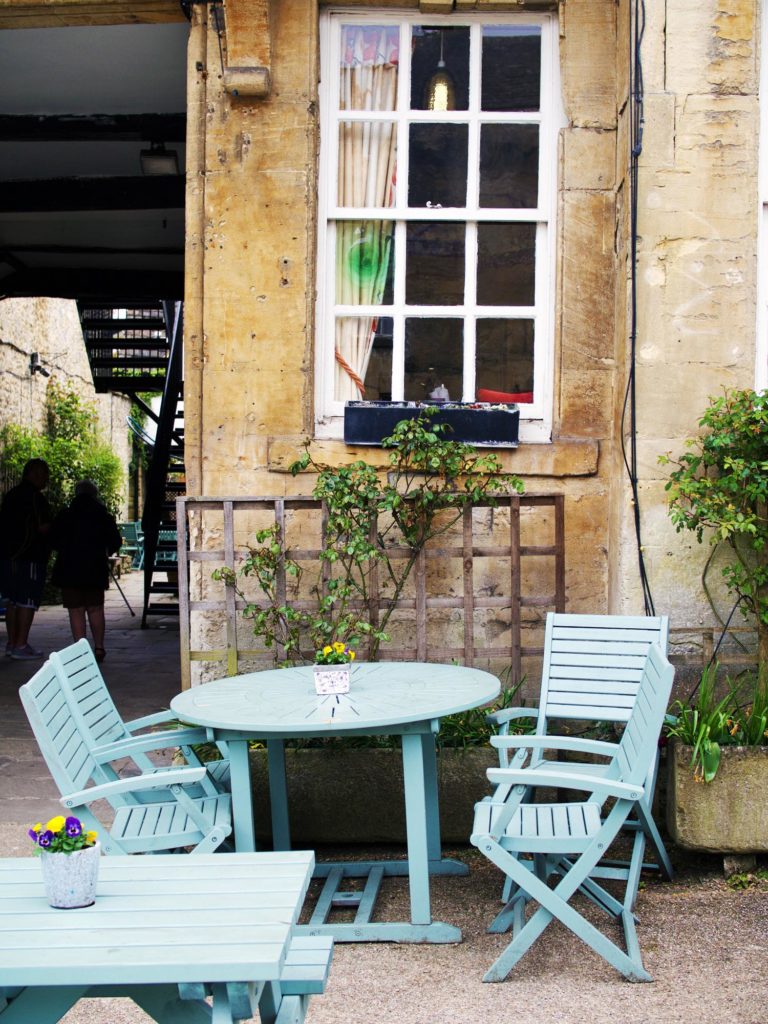
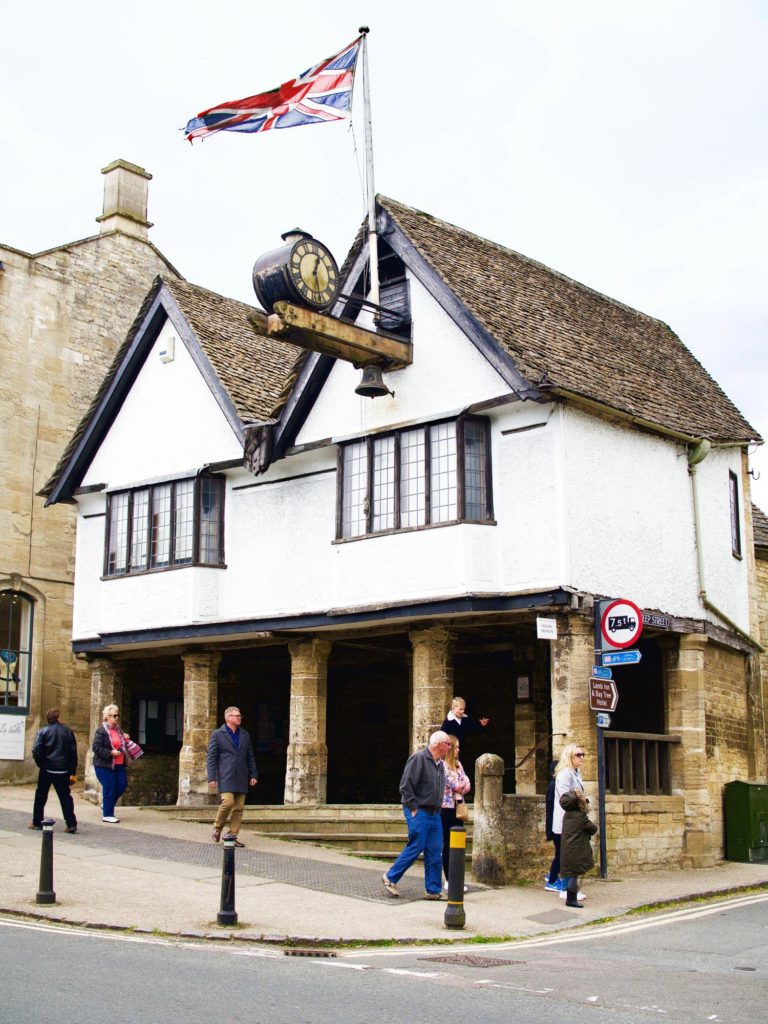
This easily one of my favourite stops in the area! This is largely due to the impressive High Street sweeping downhill towards the River Windrush. It’s flanked by a continuous ensemble of gourmet boutiques, ancient pubs and other shops —one of which, a chemist’s since 1734, is said to be England’s oldest pharmacy— on either side of it.
Most notable is the Tolsey building situated halfway down the High Street. It’s Tudor in style, with striking black and white timber. Additionally, it used to be a meeting point for wool merchants that would come here to pay their taxes and discuss their respective guilds.
Another historical point of interest is the Burford Church, which was built over 800 years ago by wealthy merchants; it was more recently used as a temporary prison —and, tragically, a merciless execution site— by Oliver Cromwell after the English Civil War.
Grab a pint of local cider on one of the many sprawling terraces. Walk into that heavenly-smelling cheese shop. Or, better yet, sit down for tea at Huffkins.
The Slaughters
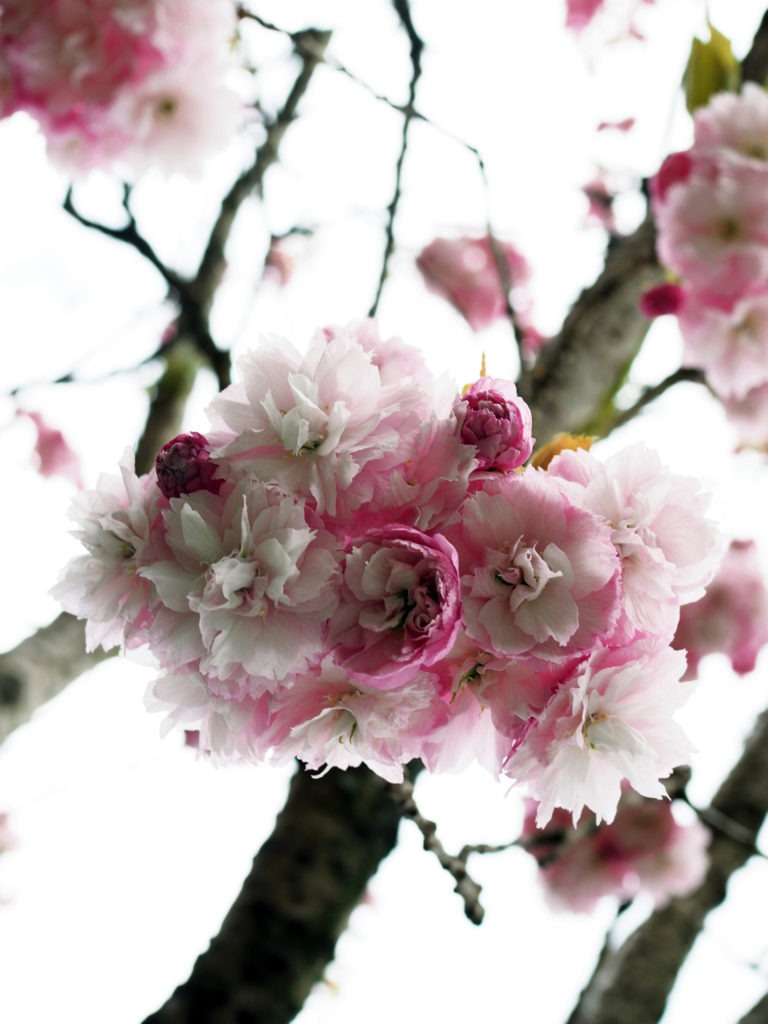
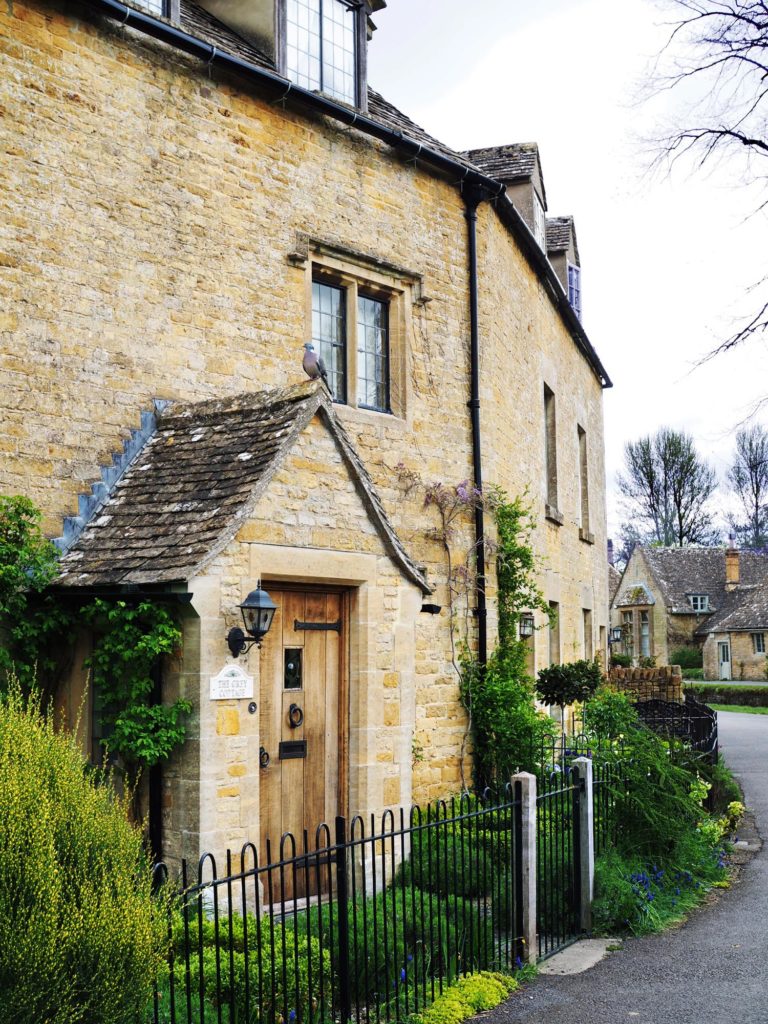
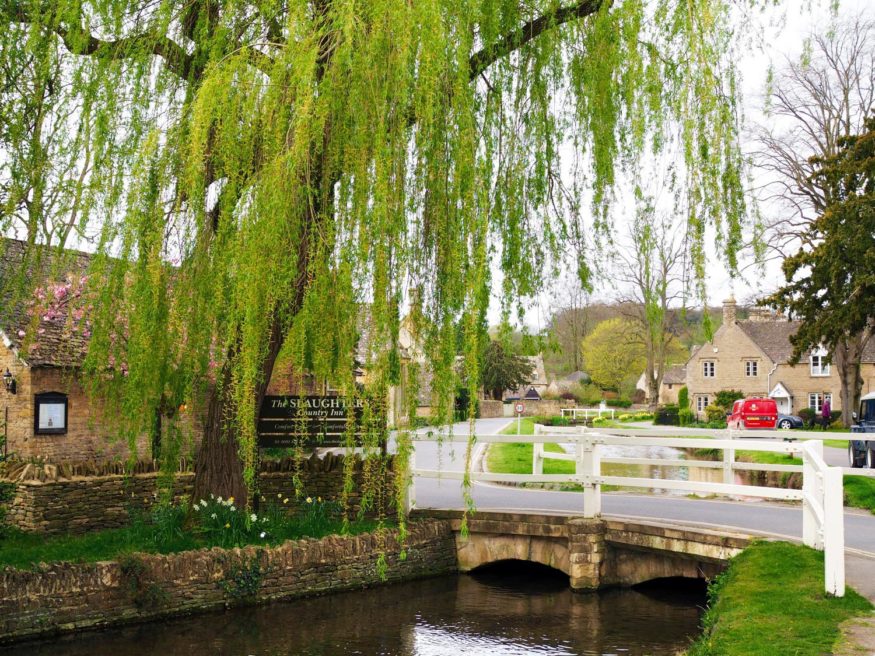
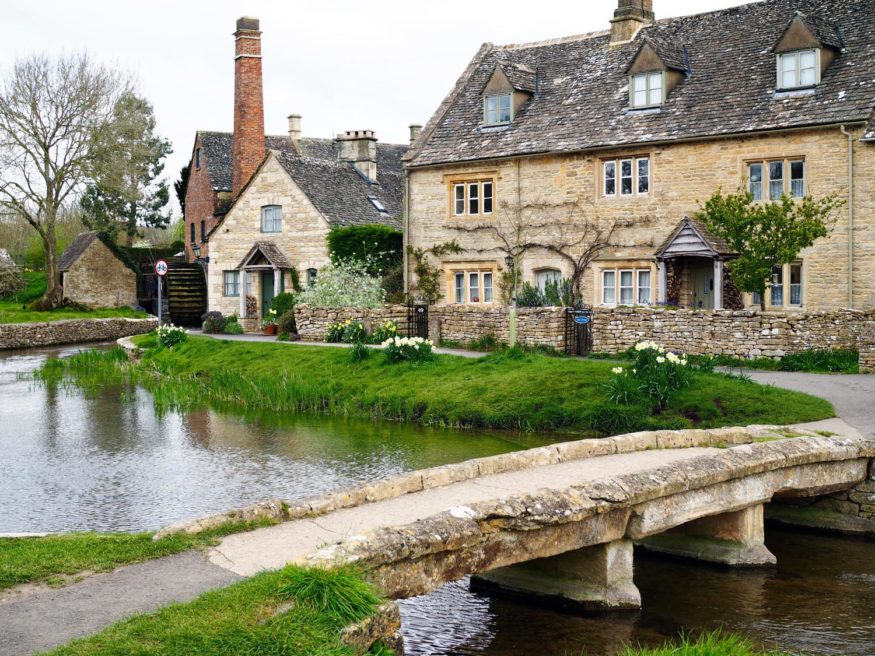
Comprising of Upper Slaughter and Lower Slaughter —which, rest assured, have nothing to do with the actual slaughter of living beings— two quaint (oh there’s that pervasive word again) hamlets that are worth a brief photo stop. There aren’t any commodities or particular attractions here, simply two supplementary examples of perfectly preserved Cotswolds villages.
Interesting to note, though, that there is a walking path linking the two Slaughters for those looking to burn off the scone-induced calories.
Sudeley Castle
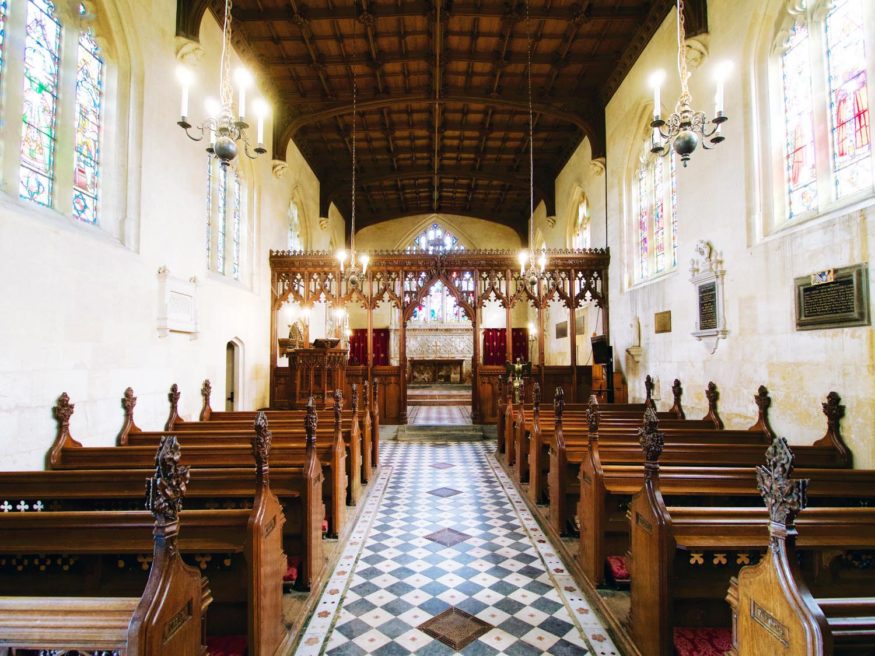
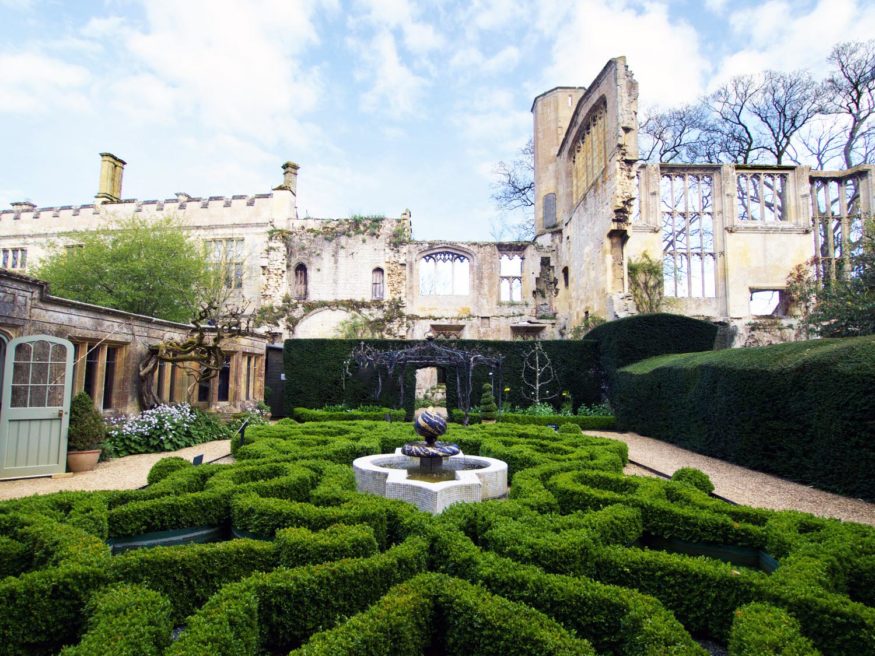
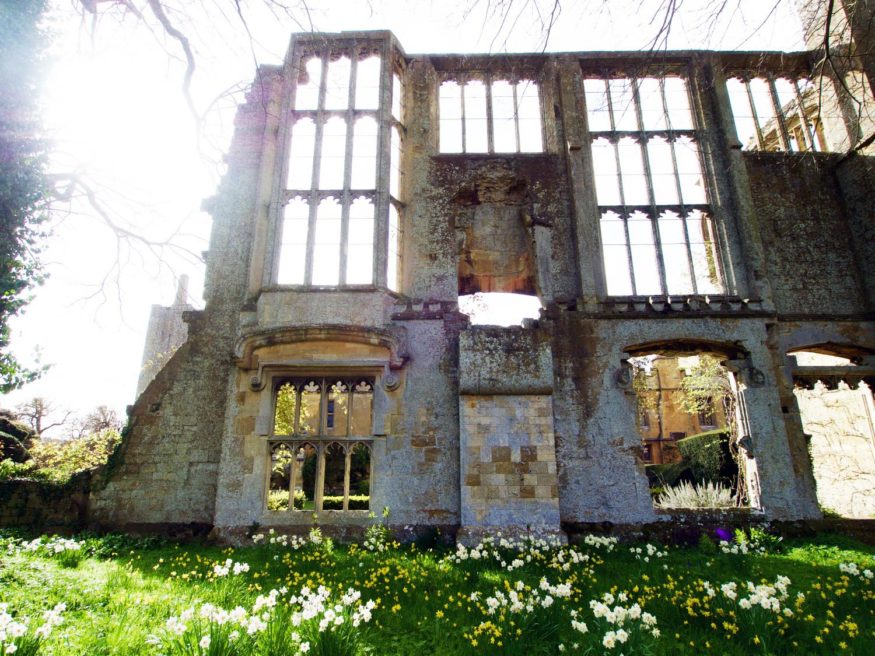
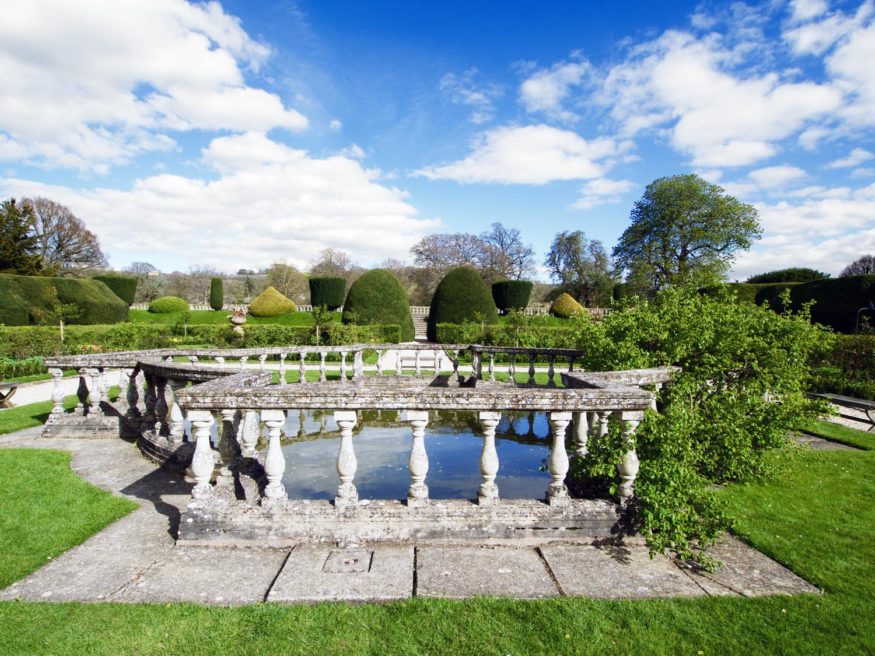
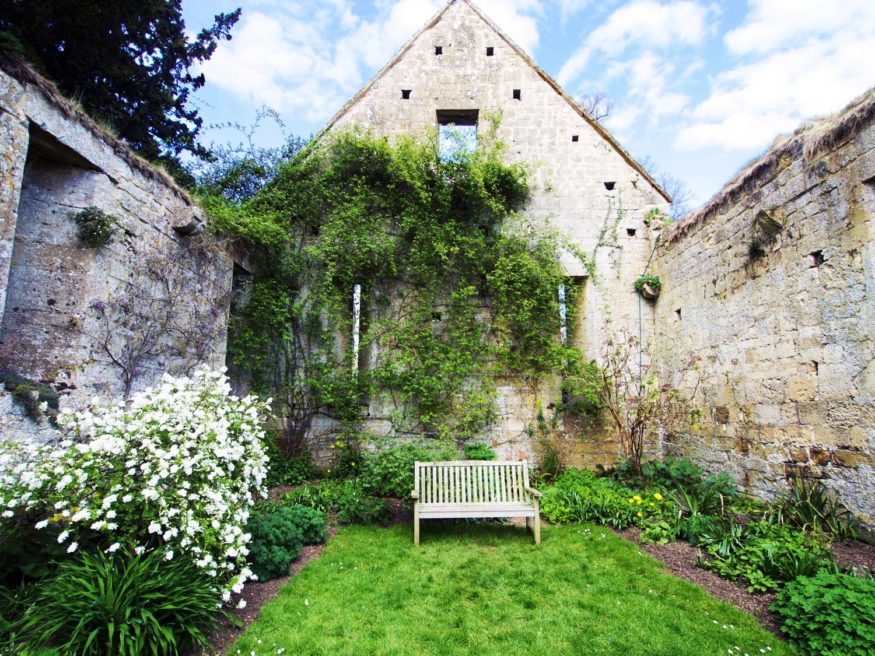
Not only is this a fine-looking castle (there’s a pleonasm if there ever was one), it’s also a historical one, too. Sudeley Castle and its 1,200-acre estate is indeed England’s only private castle to have a queen buried within its grounds; namely Katherine Parr, the last of Henry VIII’s six wives.
In fact, it seems that queens of all eras relished the gardens of this lavish estate: Anne Boleyn, Lady Jane Grey and Elizabeth I walked upon the original Tudor parterre of the aptly-named Queens Gardens.
Sudeley Castle is a wonderful place to stop for afternoon tea or simply for a stroll in the luxuriant gardens.
Chipping Campden
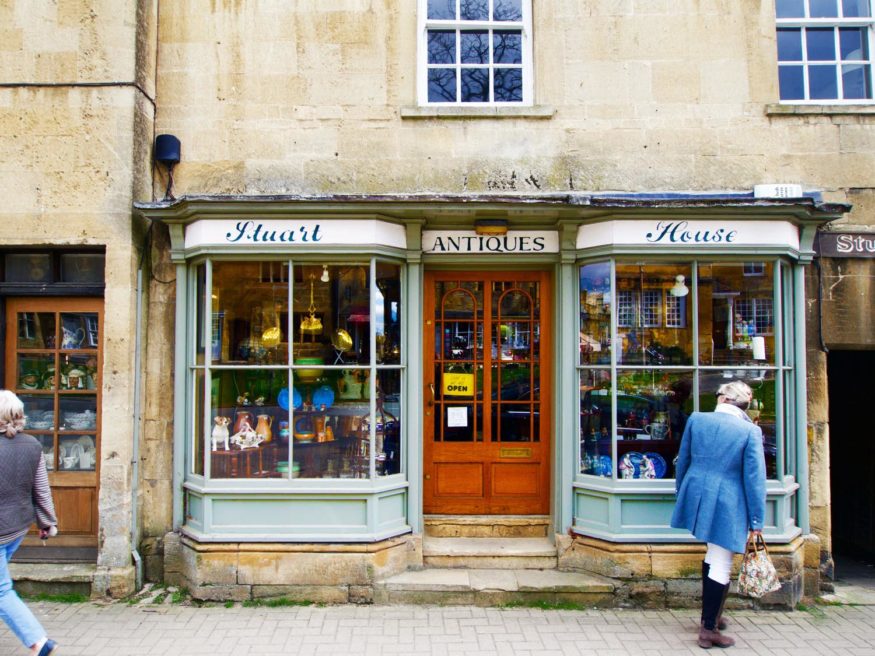
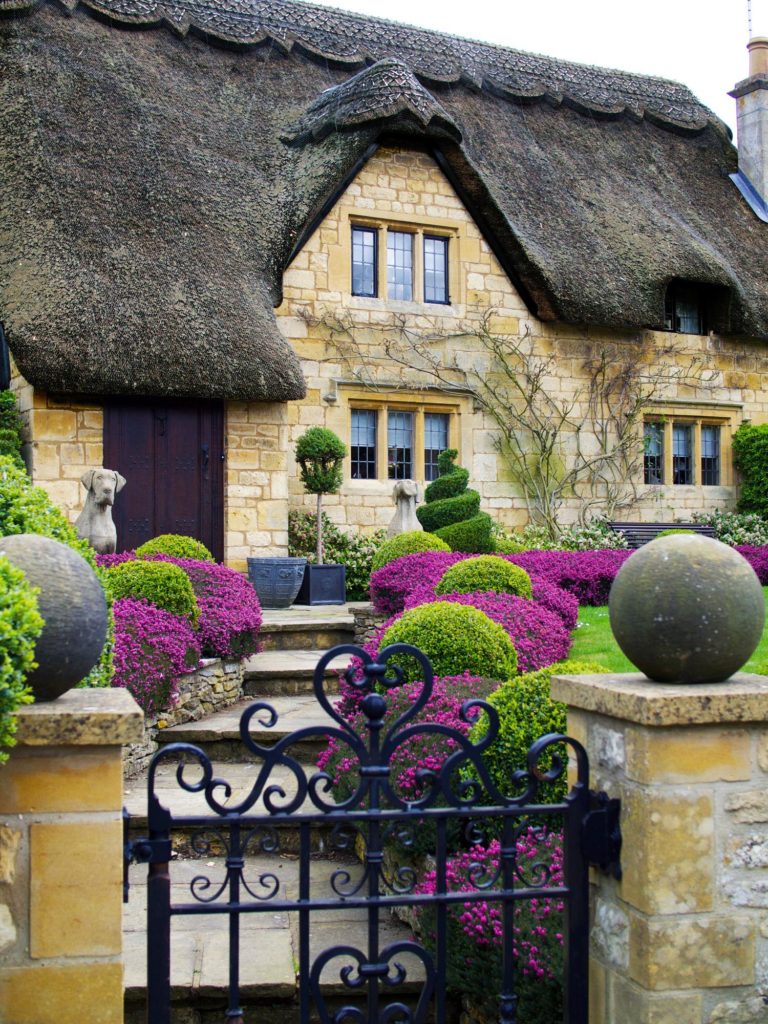
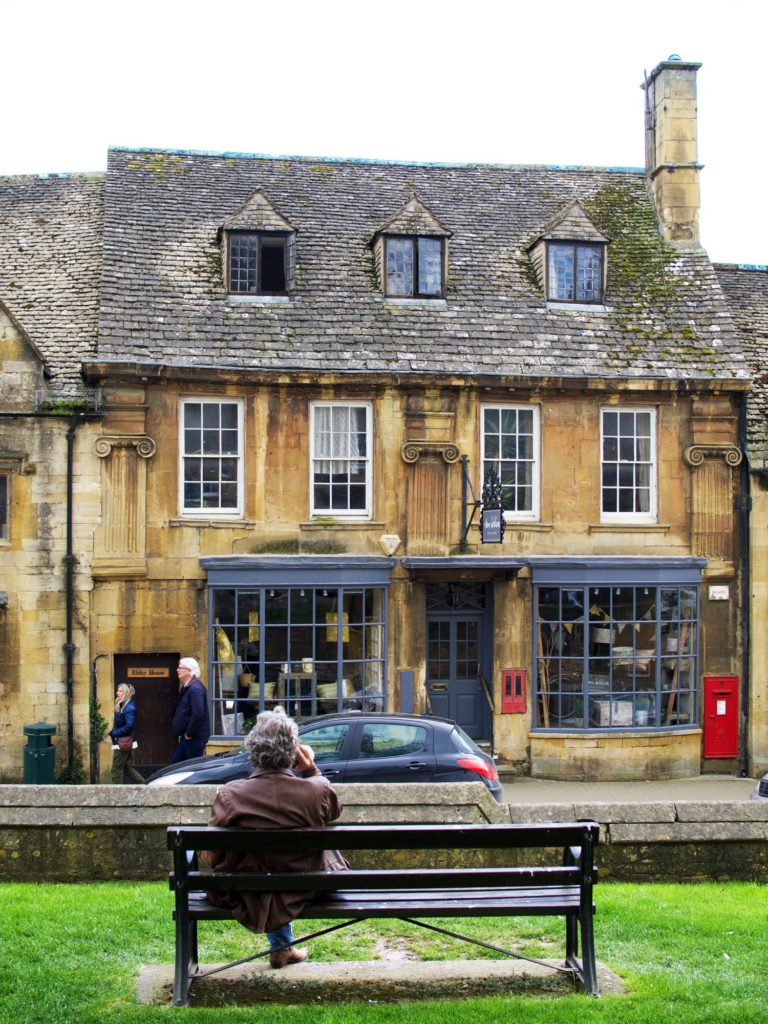
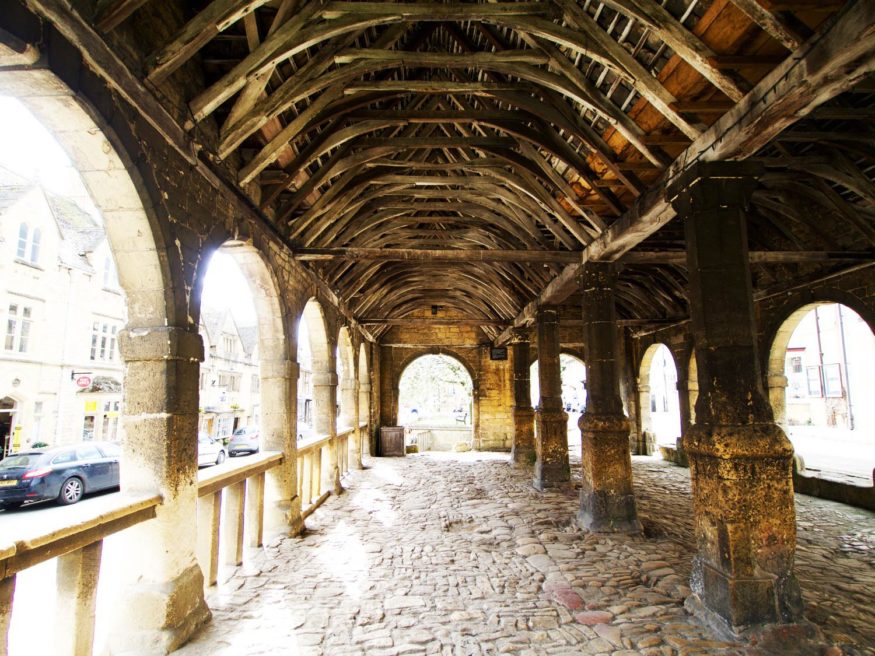
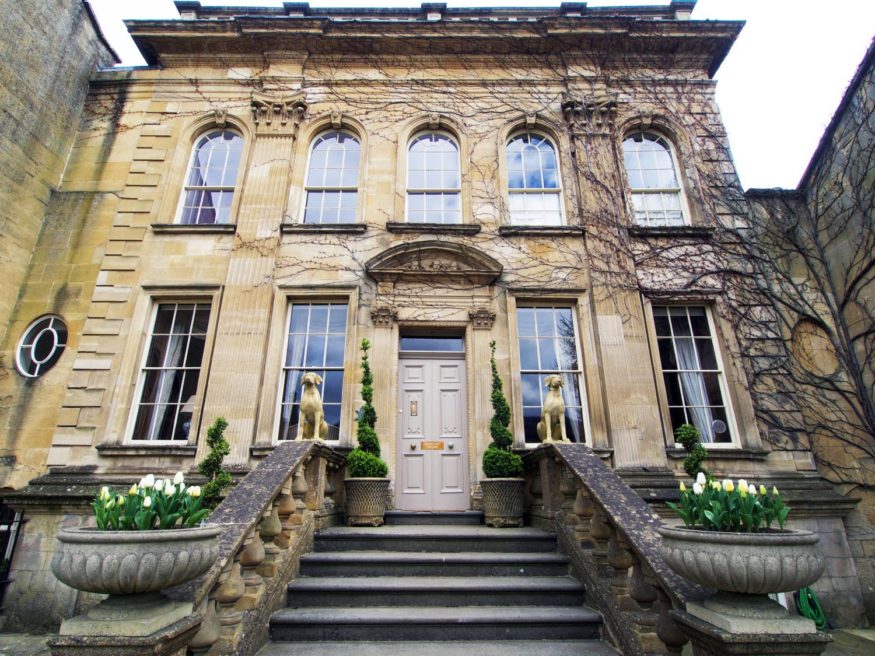
Often referred to as a masterpiece of Cotswolds villages, Chipping Campden is indeed a quintessential stop on any Cotswolds itinerary. Its 17th-century Market Hall was built solely to shelter cheese, butter and poultry merchants from bad weather and not wool merchants, contrary to popular belief. It’s nonetheless a superb landmark that is well worth stepping into.
Chipping Campden’s high street is slightly more peculiar than that of its neighbouring towns, because it curves in a shallow arc revealing ostentatiously-embellished houses. Another testament to the prosperous and lucrative wool trade in the region.
Pay special attention to the beautiful thatched-roof cottages on the periphery of Chipping Campden. These are some of the most expensive and sought-after properties in England!
Batsford Arboretum
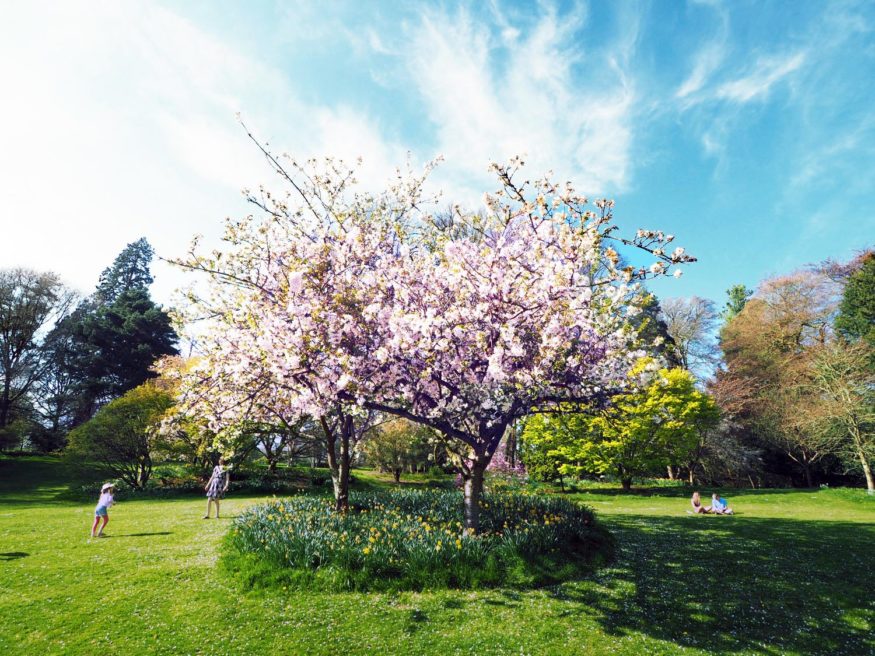
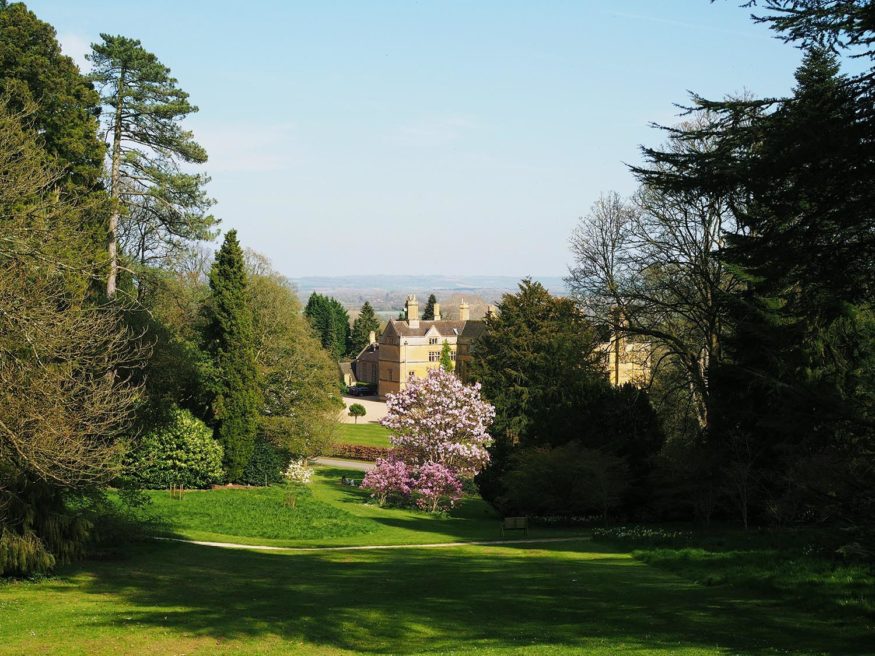
Not to be missed nearby, too, is the stunning 55-acre Batsford Arboretum. As Britain’s largest private collection of trees and shrubs, this botanical garden is largely inspired by the original owner’s—the 1st Baron of Redesdale, Algernon Bertram Freeman-Mitford— extensive travels in Asia where he walked upon forests of Japanese maples, magnolias and pines.
Stow-on-the-Wold
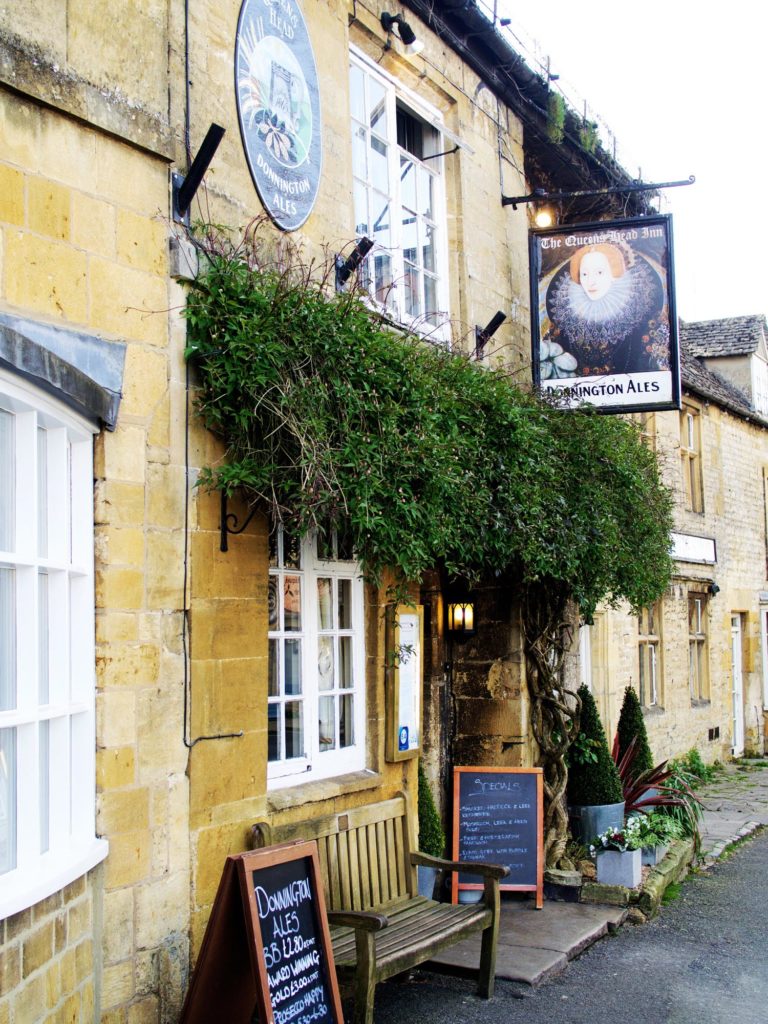
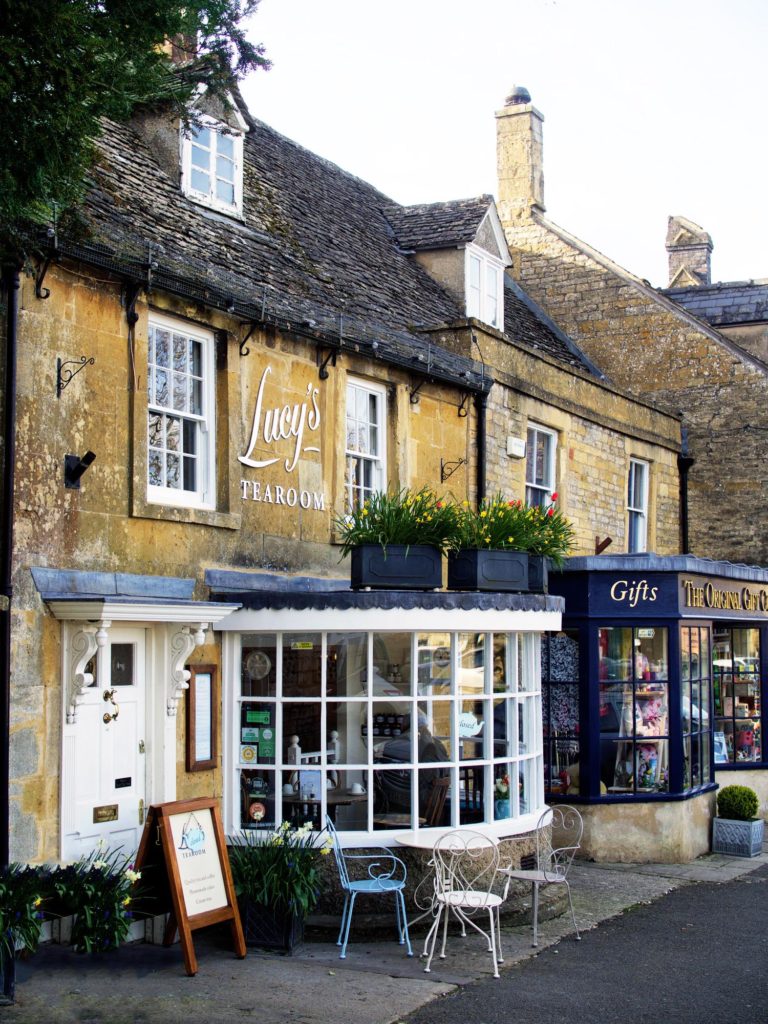
One of the larger market towns in the Cotswolds and definitely a fun place to spend a few hours. Its sprawling central square has been bustling with activity for well over 500 years as it used to be a major trading centre in the so-called wool golden age; back then, almost 50% of England’s overall economy was connected to the wool industry in some shape or form.
There are multiple testaments and trinkets linked to that heritage scattered across town; keep an eye out for them! Stow-on-the-Wold has become a lively parish with plenty of antique shops, tea rooms (check out Lucy’s!) and inviting pubs.
Bourton on the Water
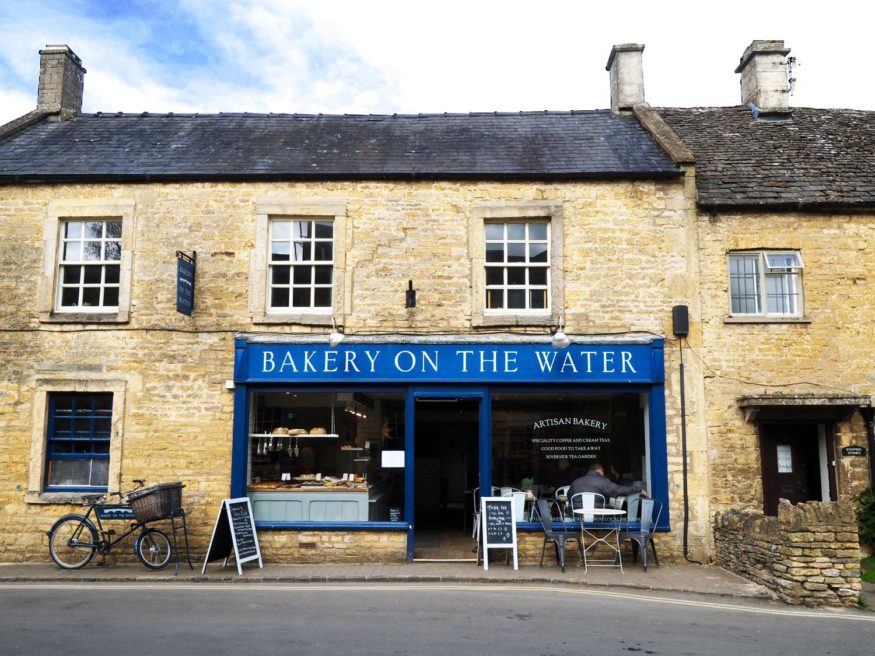
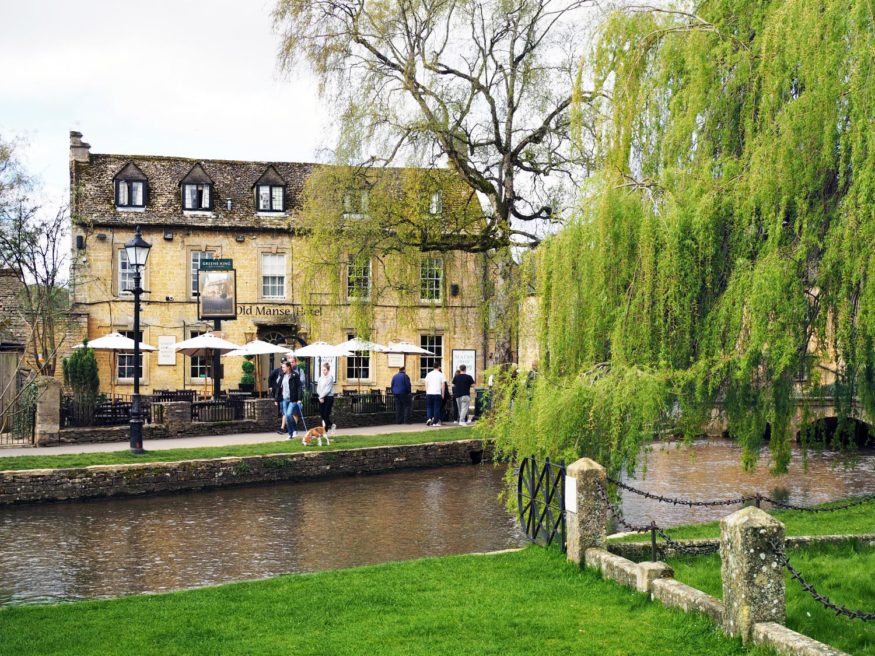
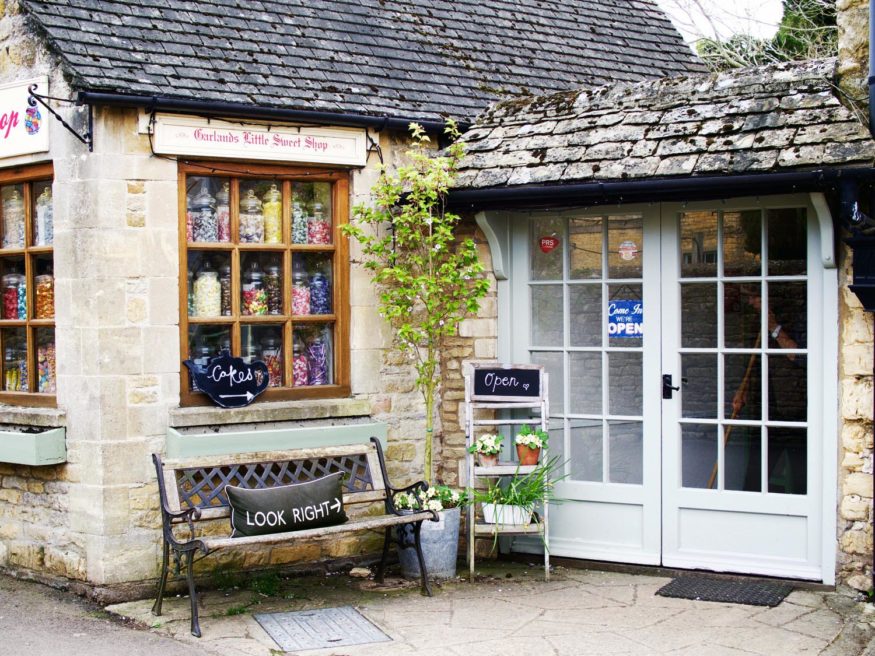
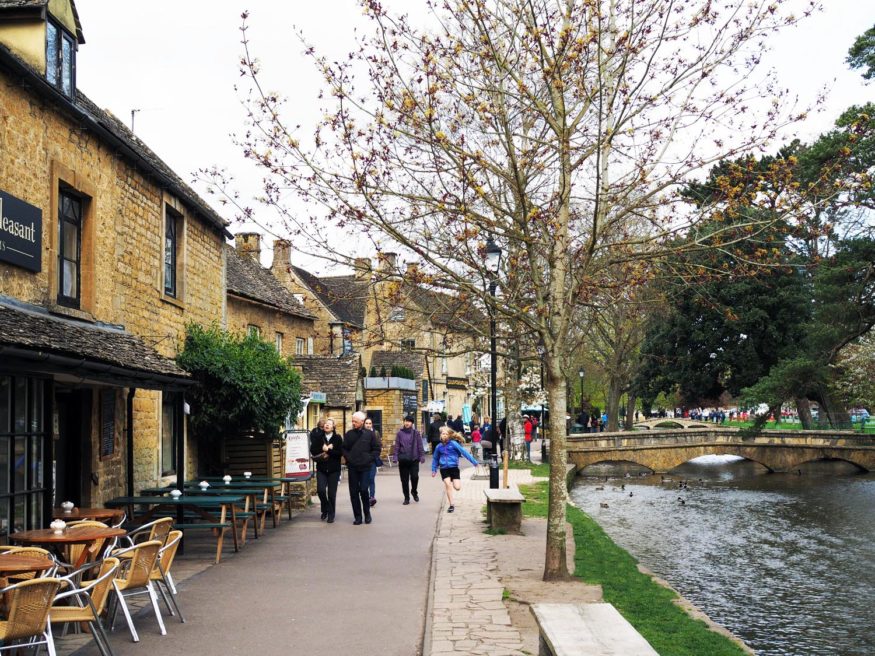
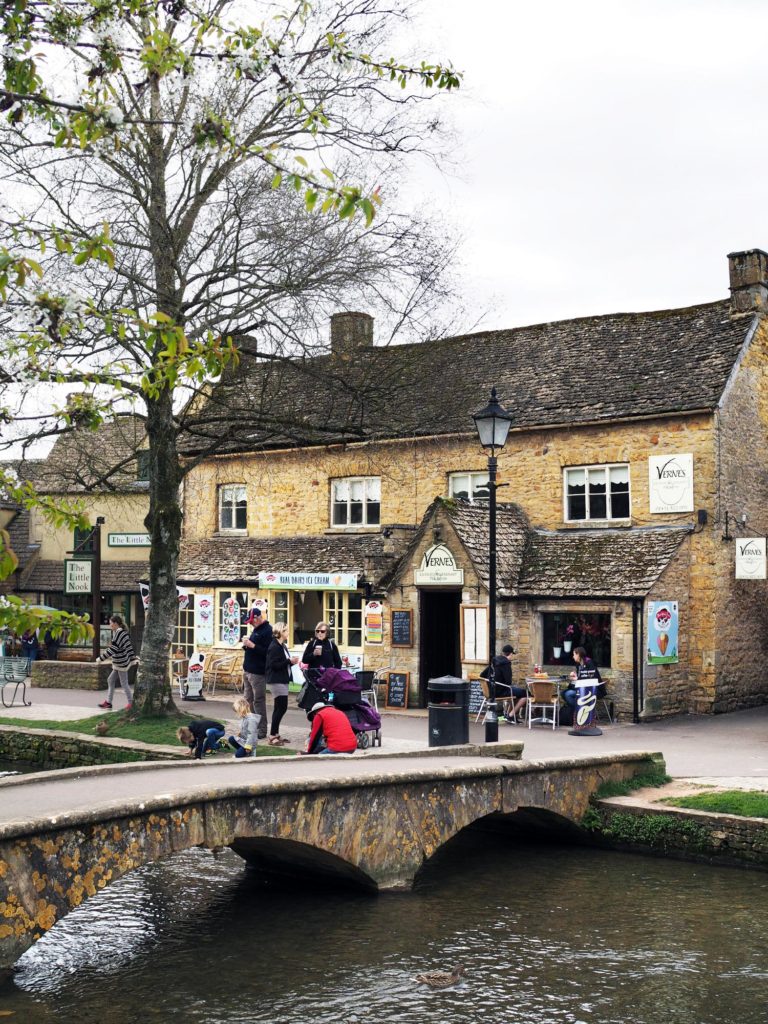
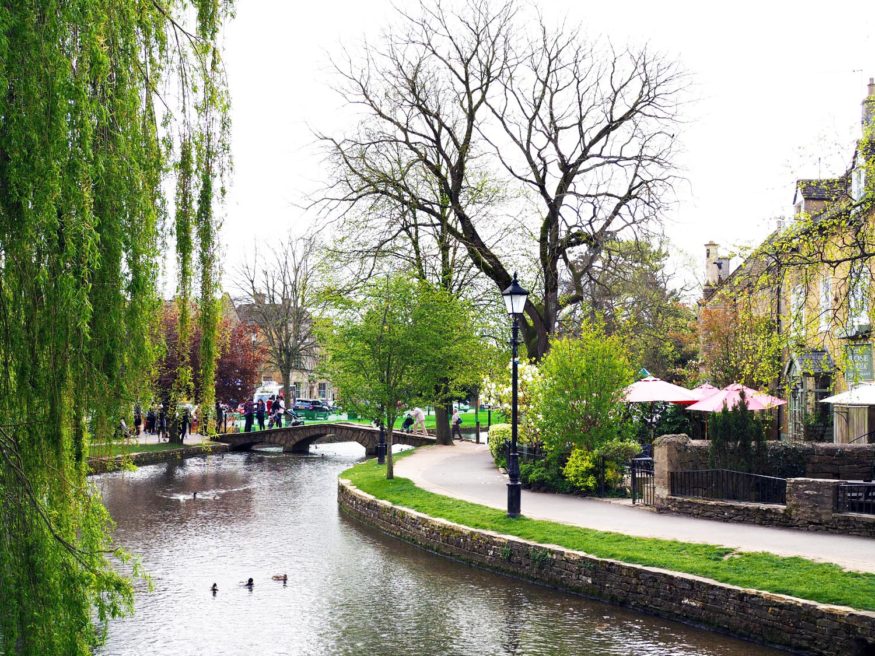
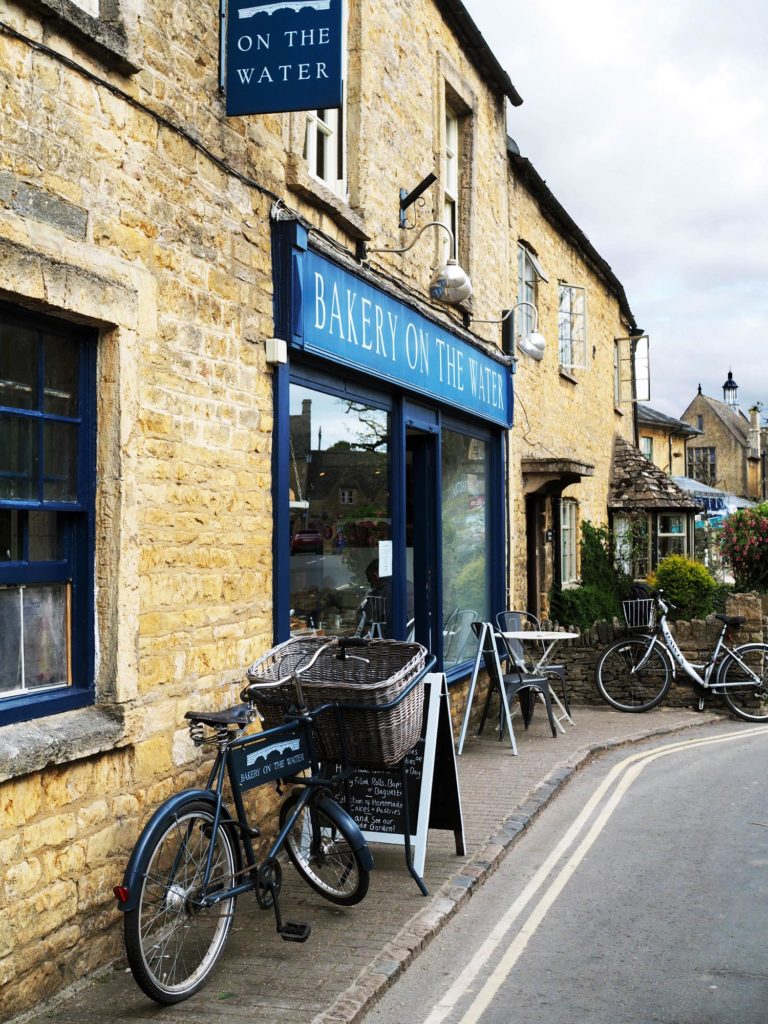
The crown jewel of Gloucestershire! This seductive village is definitely the one you’ve been seeing on literally every single postcard of the region. Ducks quacking on the canals, crooked stone houses with attractive bakeries, vintage shops and tea rooms, elderly ladies gossiping on a park bench. Bourton on the Water hits all the right notes.
Try and avoid lunchtime and early afternoons in Bourton on the Water. This is when coaches upon coaches upon coaches filled with tourists on a group day trip from London. It would be best to go in the morning or later afternoon and get the village to yourself (and the far less invasive, much friendlier locals).
Bibury
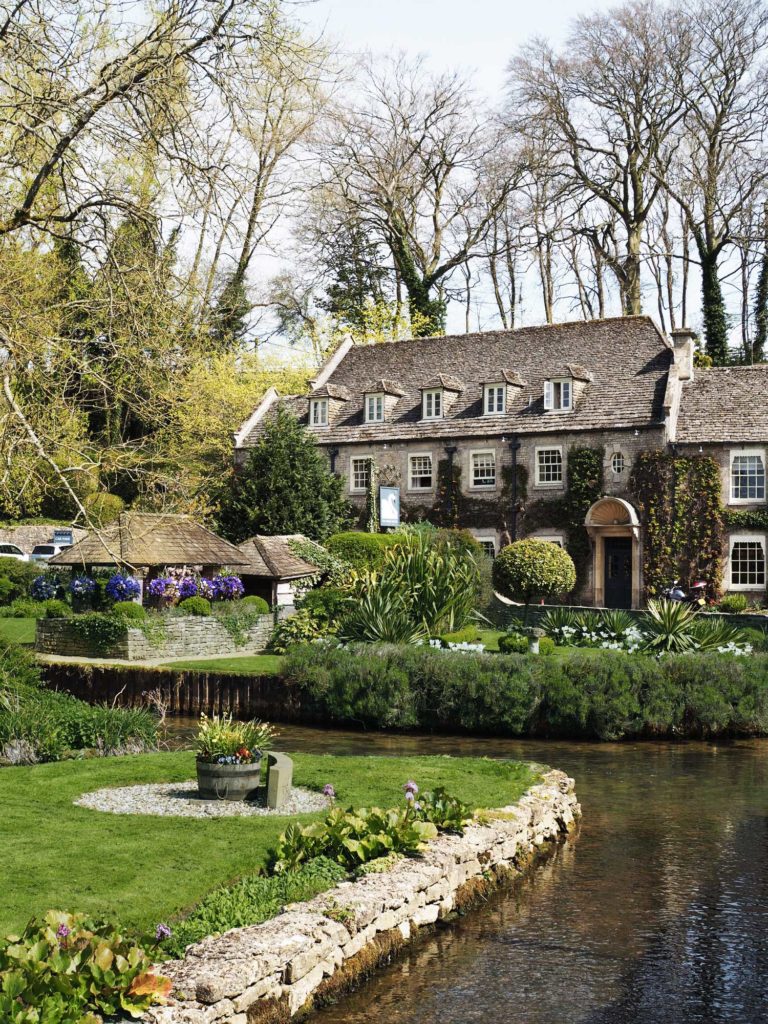
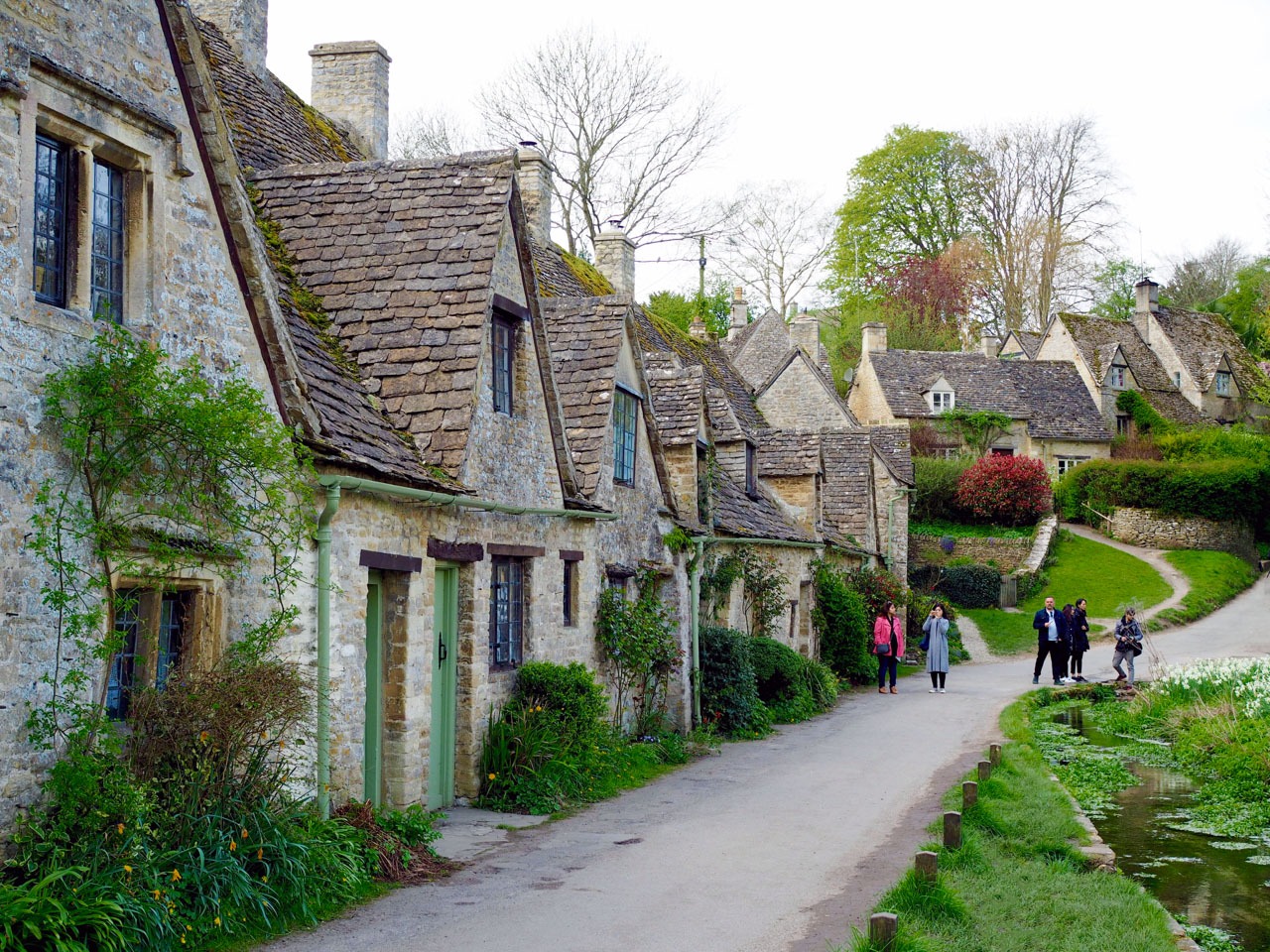
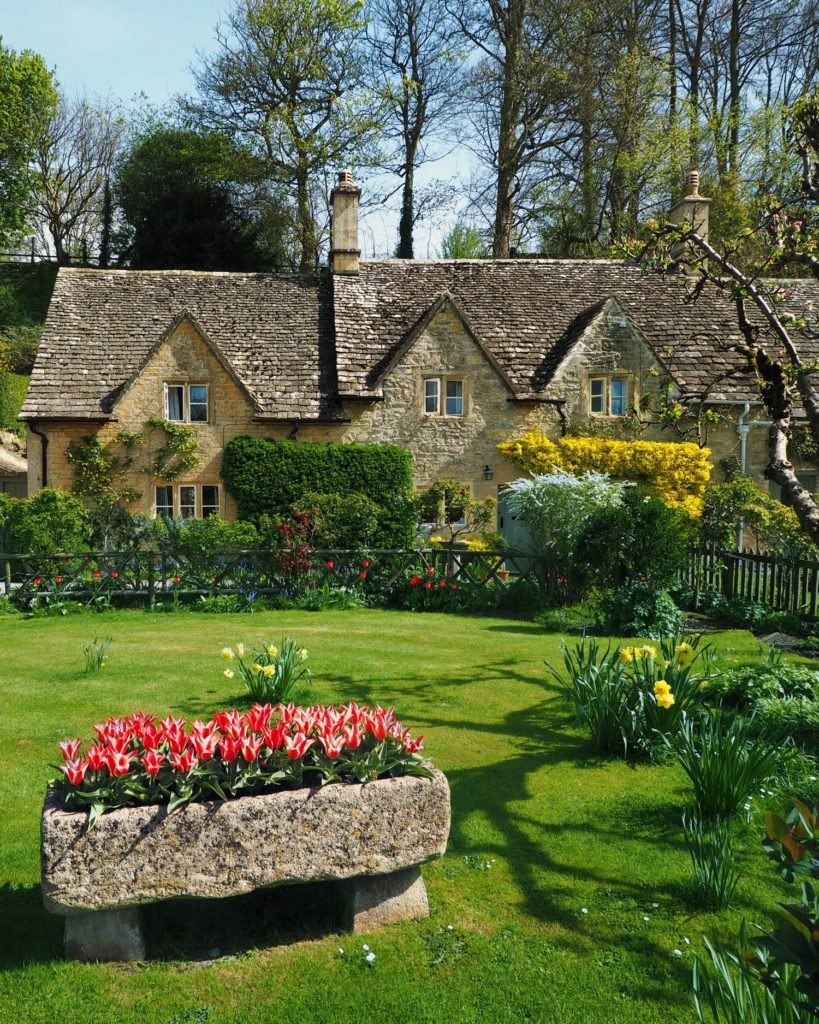
Welcome to Bibury! A minuscule civil parish, perhaps the tiniest in this selection. But it’s also home to the emblematic Arlington Row situated on River Coln, a tributary of the Thames. It was first established in 1380 (!) with monastic wool stores. The steeply vaulted homes were converted into weaver’s cottages in the 17th century in order to supply cloth to the nearby mill, back when the wool trade with the new world started picking up and accounted for almost half of England’s economy.
Arlington Row is a national conservation area and is depicted on the inside cover of all United Kingdom passports.
Cotswold Woollen Weavers
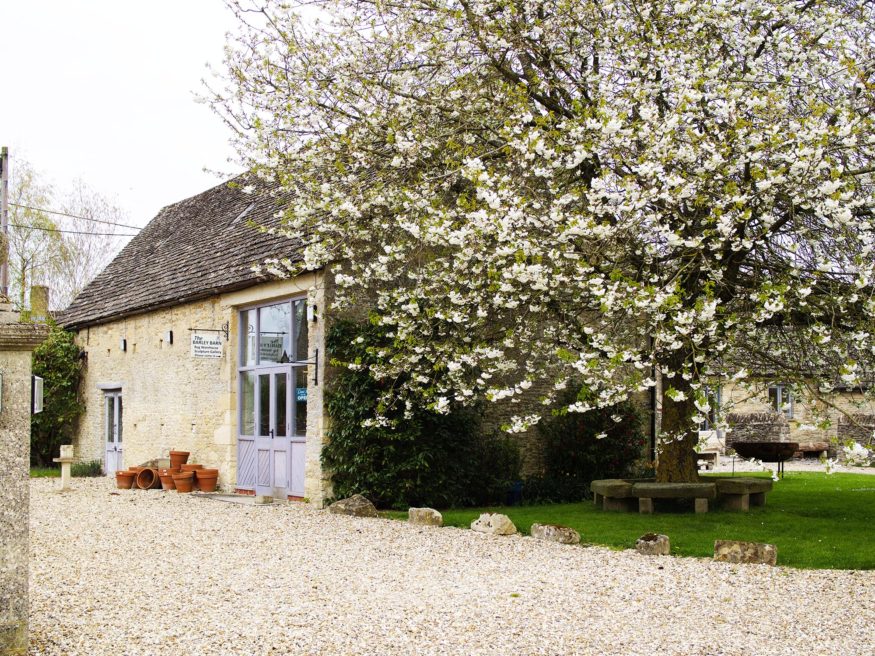
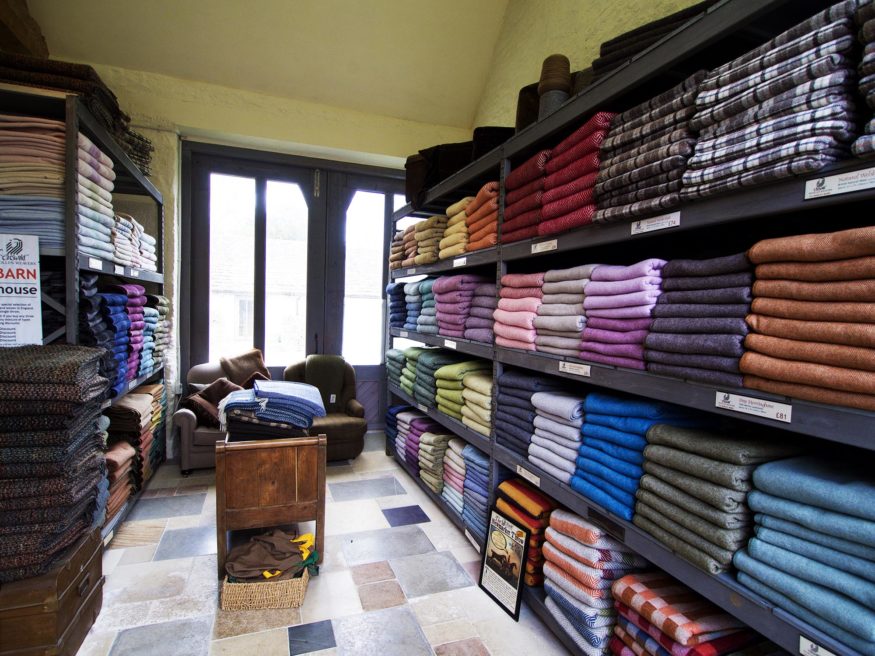
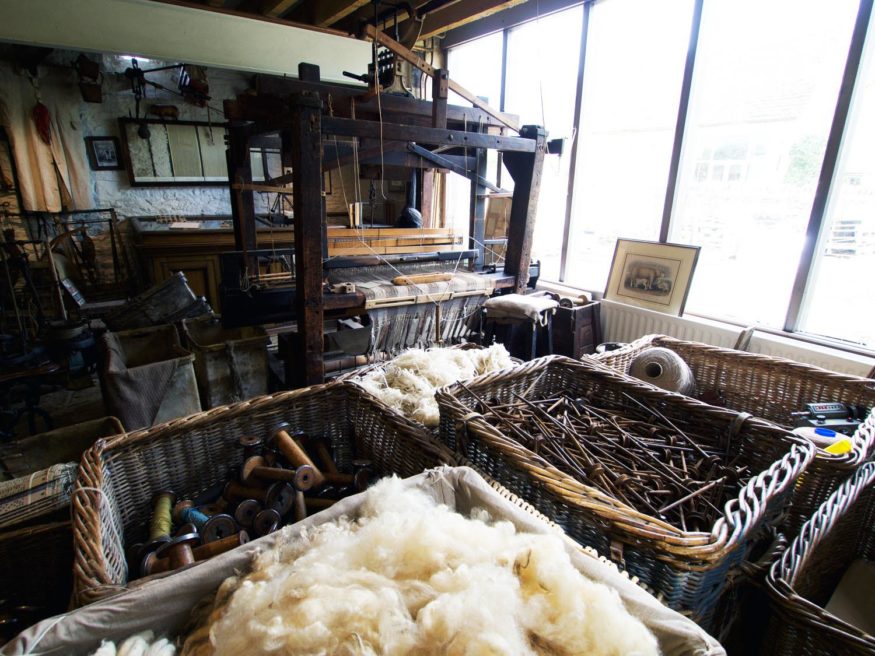
As you can probably tell by now, wool used to play a major role in England’s and the Cotswolds, more specifically, economy. The medieval weavers of 12th century happily sang: “the best wool in Europe is English and the best wool in England is Cotswold”.
Therefore, my guide Alan planned a stop at the Cotswold Woollen Weavers. In the early days of the company 400 years ago, they used to weave various woollen goods destined to the trade with the Indians in what would become Canada.
The story of wool and woollen cloth, like the yarn itself, weaves its way into every aspect of Cotswold life. Not only has history revolved around its fortunes, but it has profoundly influenced the landscape, the villages and towns, the churches and the mills, and the people themselves.
Lionel FJ Walrond
Castle Combe
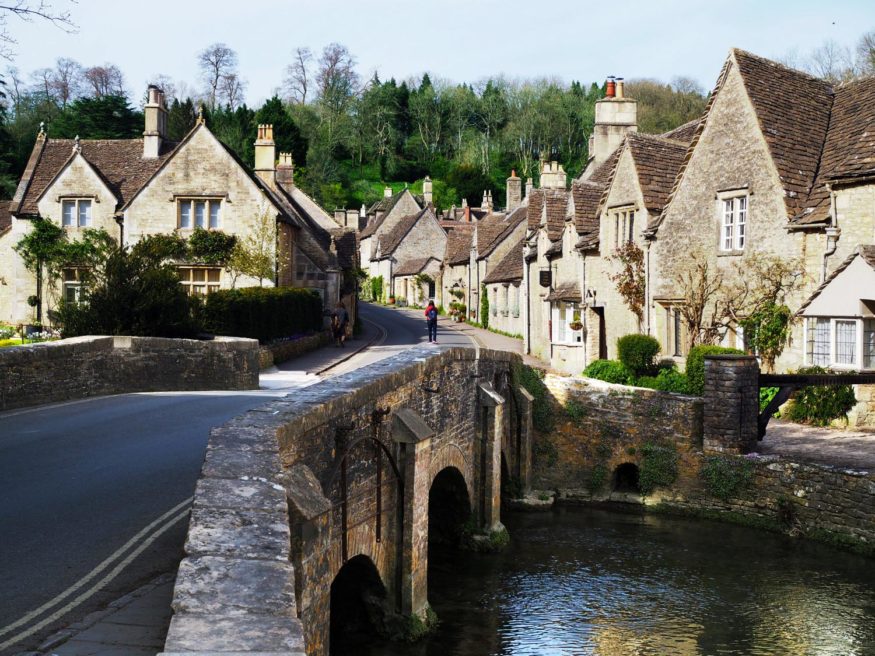
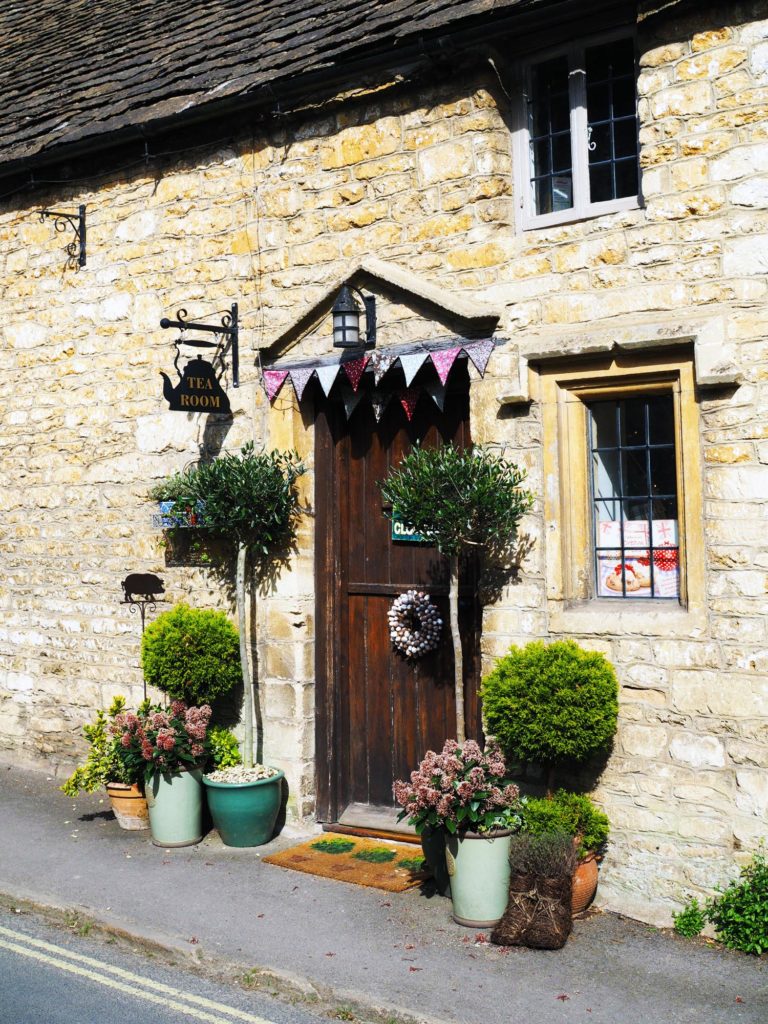
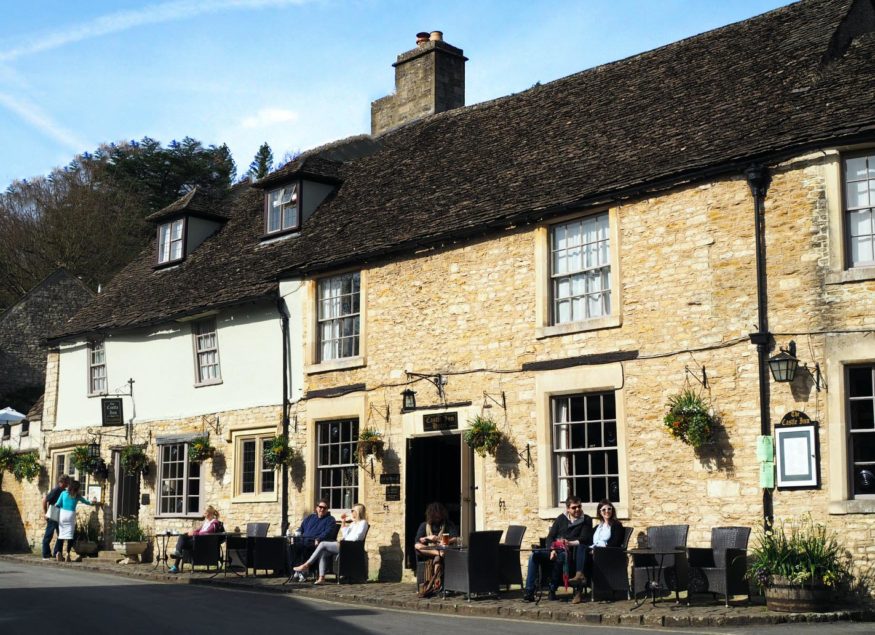
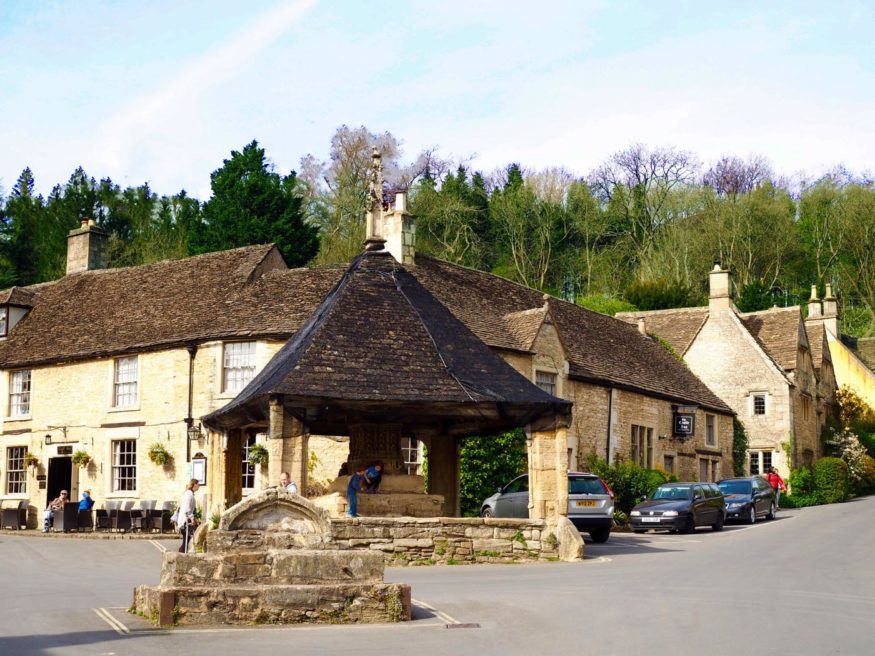
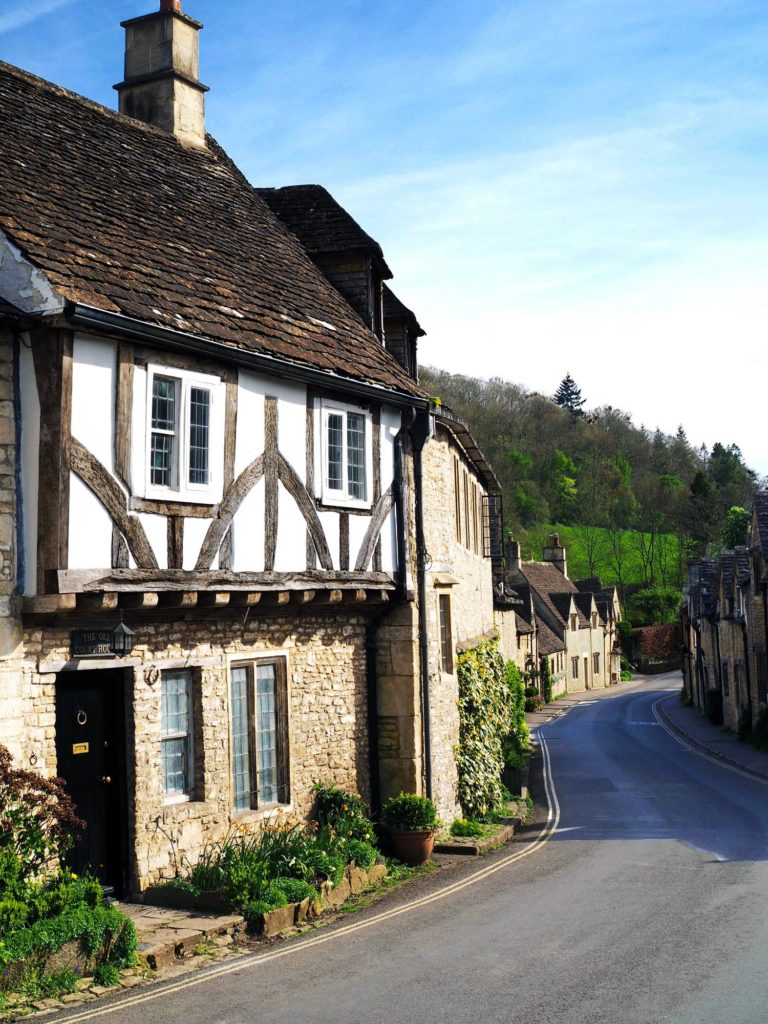
Surely you’ve seen THE emblematic photo of the Castle Combe street evidenced above in a multitude of publications; rightfully so, in my opinion, as it is indeed quite a lovely view.
Likewise, not a village with commodities or particular attractions. Although, for the record, there is a lovely tea house called The Old Stables Coffee Shop worth popping into! Castle Combe is just a generally pleasing north-west Wiltshire destination for photographers and all-around Anglophiles out there. Both the Market Cross and St Andrew’s Church date back from the 13th century.
Useful Cotswolds travel tips

Transportation in the Cotswolds
Private chauffeur
- Cotswold Tours: Founded by Alan Foster, a former English history teacher. This is the ultimate choice for laid-back travelers who want a deep dive into the region’s rich heritage.
- CJP Tours: This family-run company designs custom itineraries for up to seven passengers. Chris Peake spearheads these lively, highly entertaining tours, packing the drive with endless stories.
Self-drive
If you feel confident navigating tight country lanes on what I call the wrong side of the road, renting a car offers unmatched freedom. You control your schedule entirely and pull over whenever you spot an irresistible viewpoint or a quiet pub.
Public transport
Avoid relying on local buses and trains as ervice is sparse and infrequent.
WALKING PATHS
Stretching 164 km from the medieval wool town of Chipping Campden all the way to Bath, the Cotswold Way stands as one of England’s premier and most romantic National Trails. Following the western ridge of the Cotswolds escarpment, the path connects sheep-grazed hills and beech woodlands with Neolithic burial mounds, medieval stone footbridges, and honey-stone market towns.
TLDR: This exceptionally scenic, iconic trail strings together the absolute best of the English countryside. Because it seamlessly links village to village, you have total freedom to dip in for a quick stroll or commit to the full multi-day trek.
Where to stay in the Cotswolds
- The Sheep on Sheep Street Hotel
Stow-on-the-Wold – £125/night - The Old Stocks Inn
Stow-on-the-Wold – £191/night - The Lansdowne Boutique Rooms
Bourton on the Water – £159/night - Dumbleton Hall Hotel
Broadway – £330/night - The Harcourt Arms
Witney – £134/night - Lucknam Park
Chippenham – £475/night - Woolmarket House
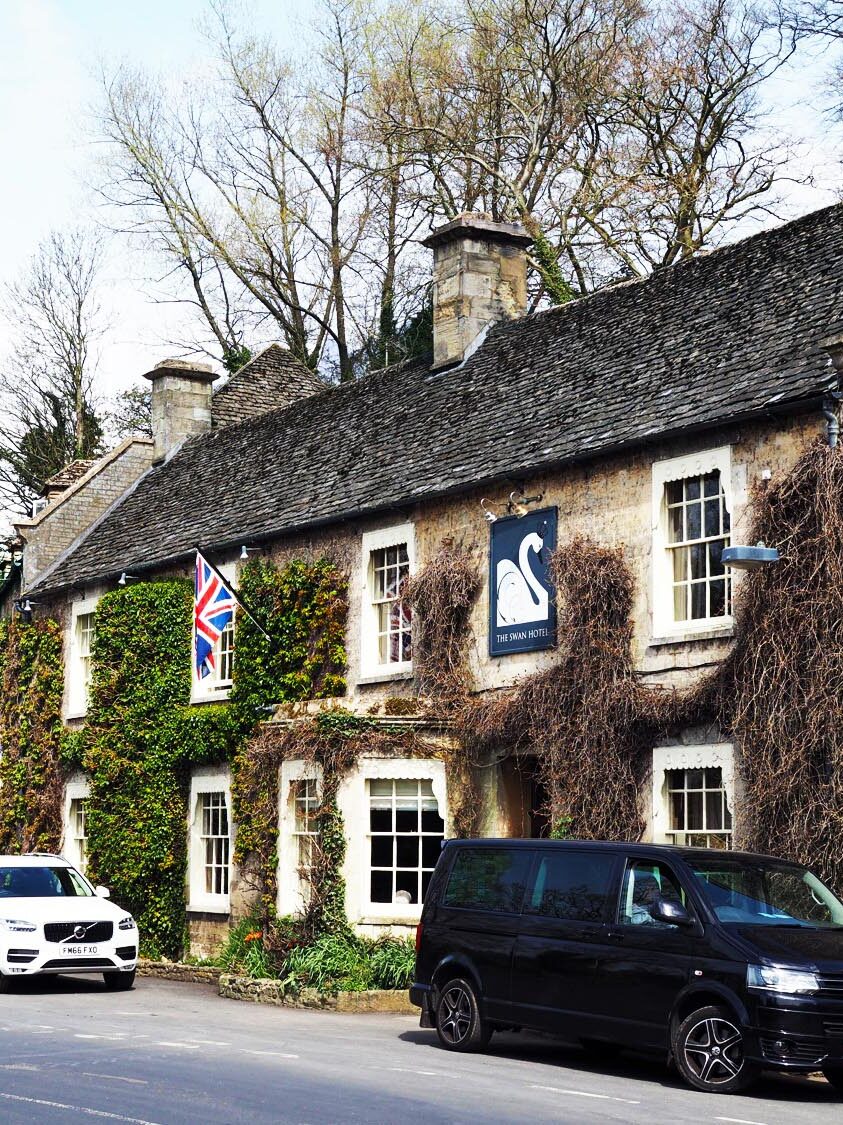
Chipping Campden – £215/night - The Swan Hotel
Bibury – £170/night - The Slaughters Country Inn
Lower Slaughter – £110/night - The Manor House Hotel
Moreton in Marsh – £149/night