My love letter to Notting Hill and its colourful houses (+ walking itinerary)
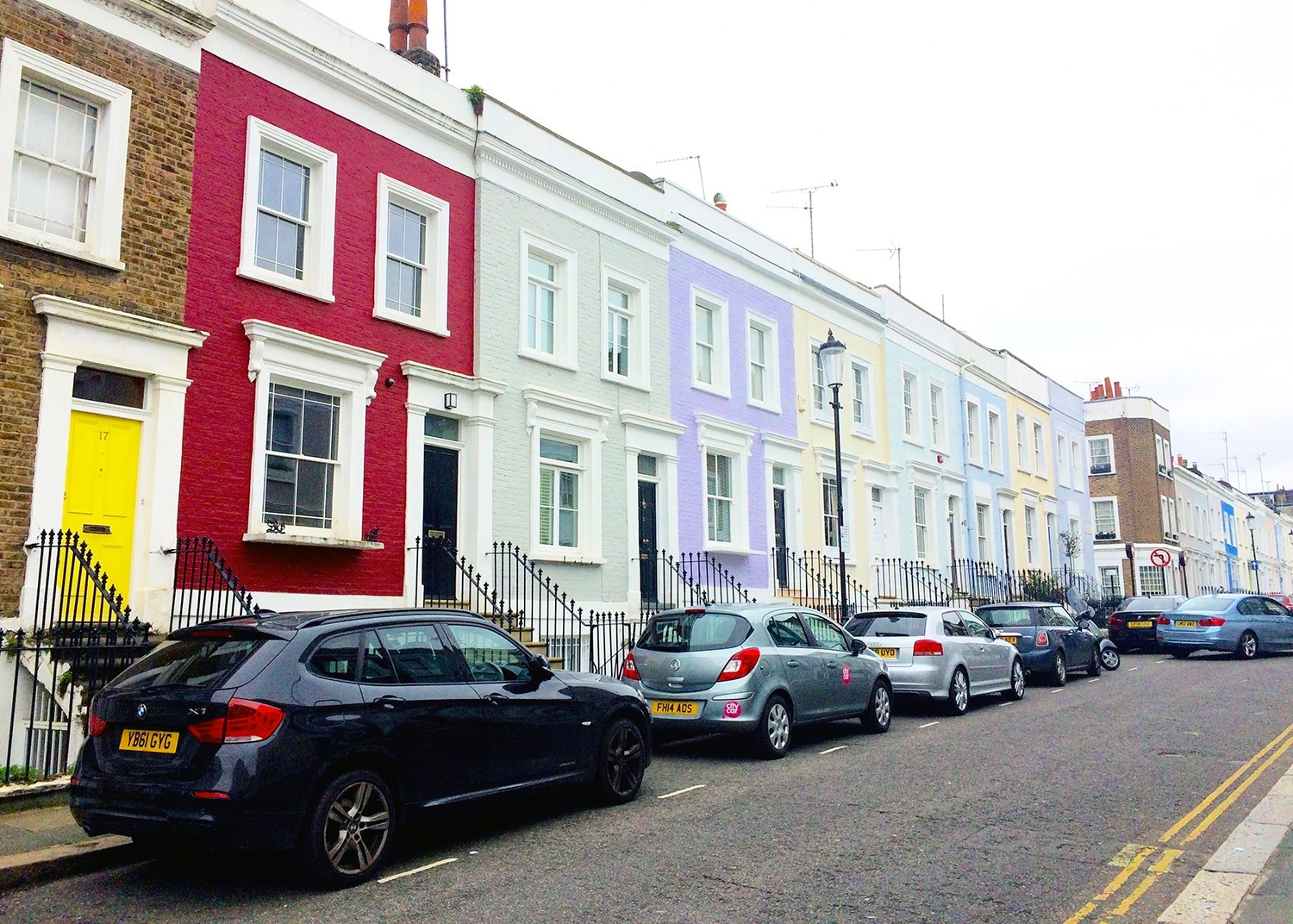
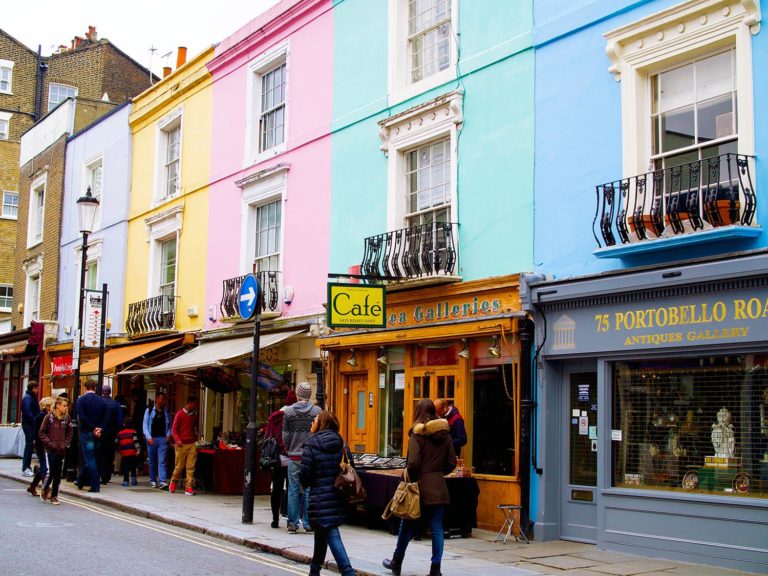
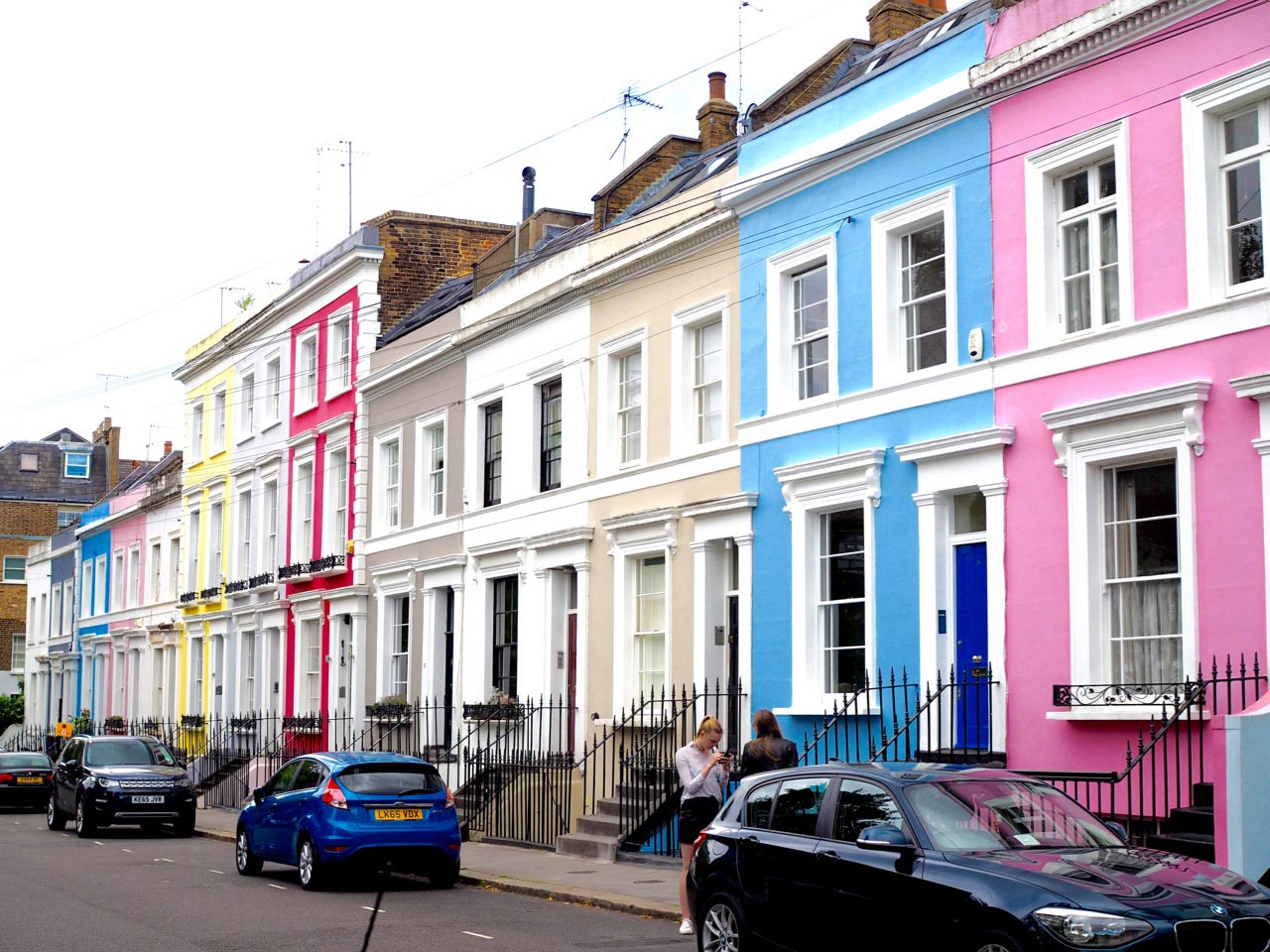
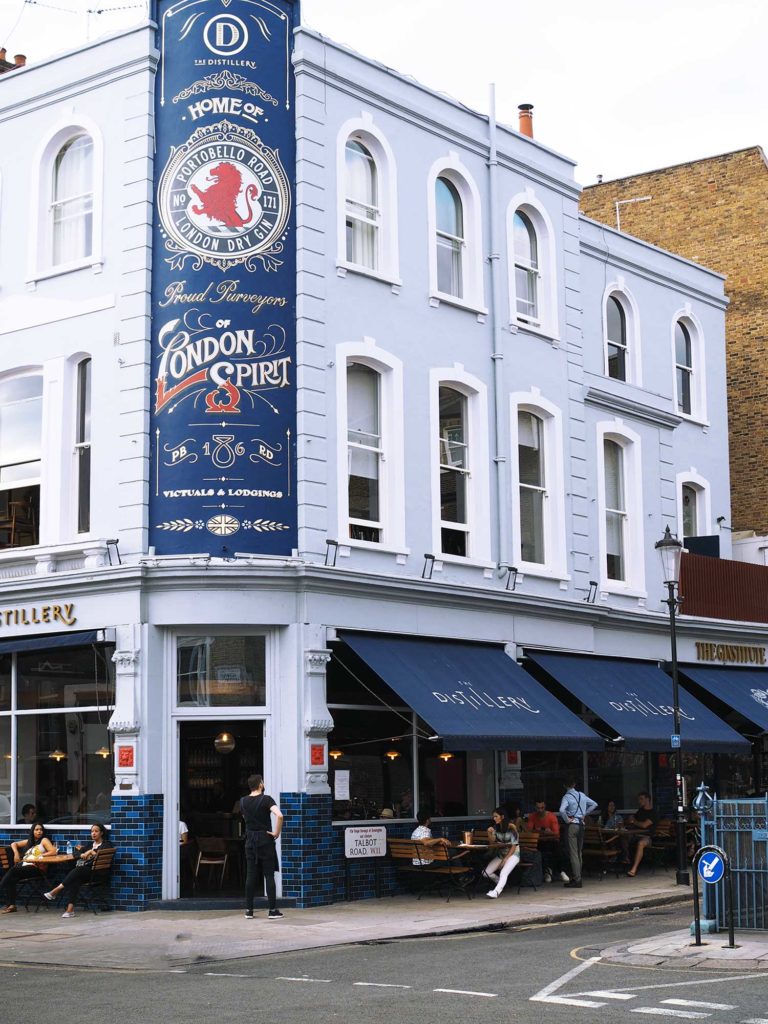
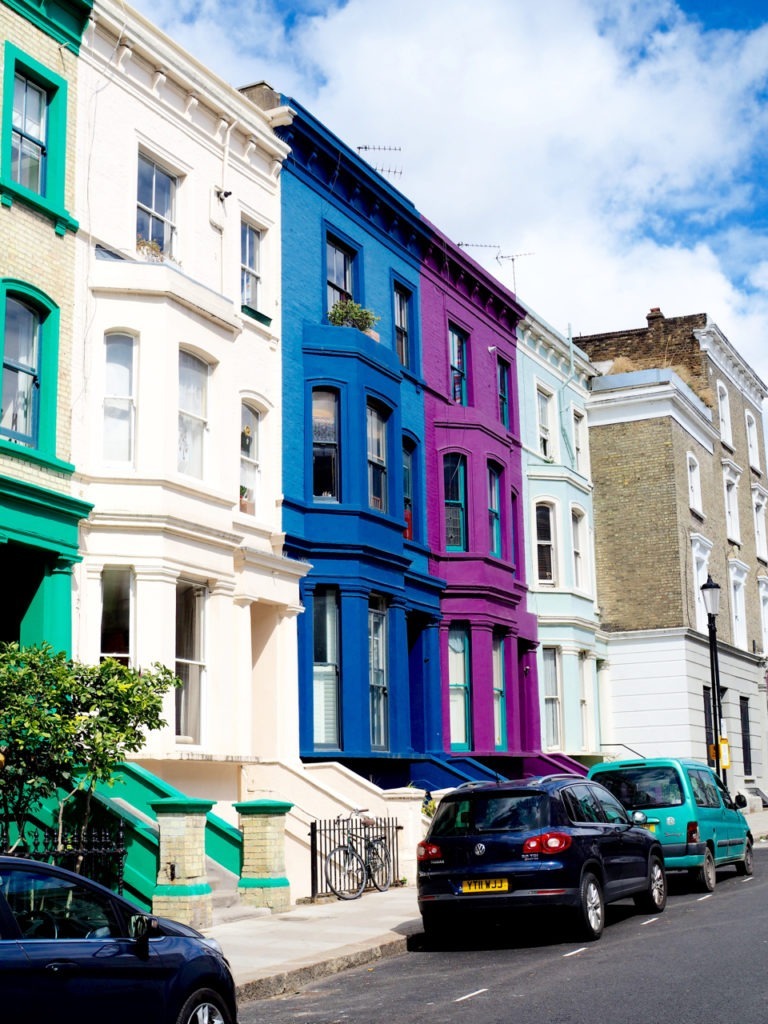
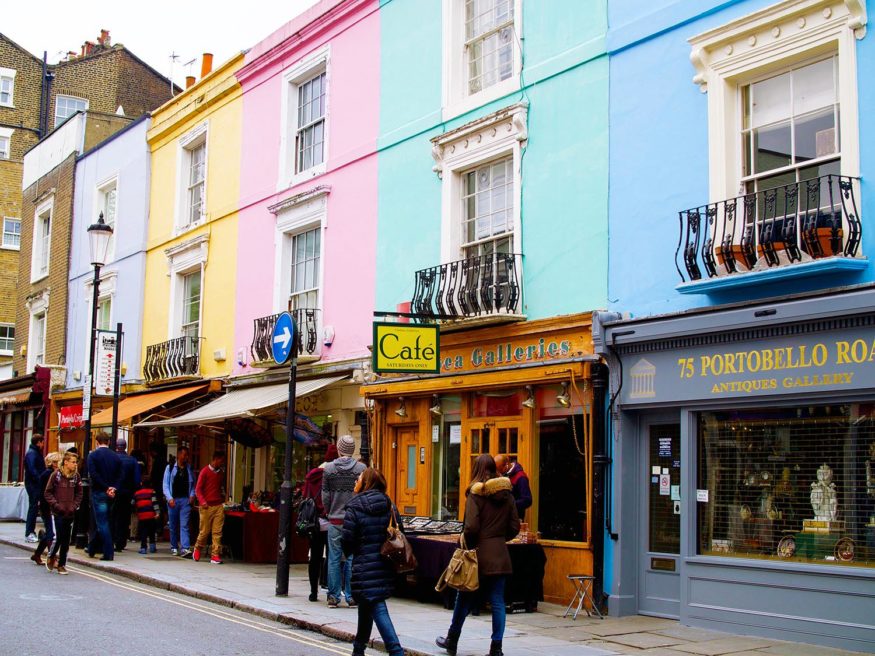
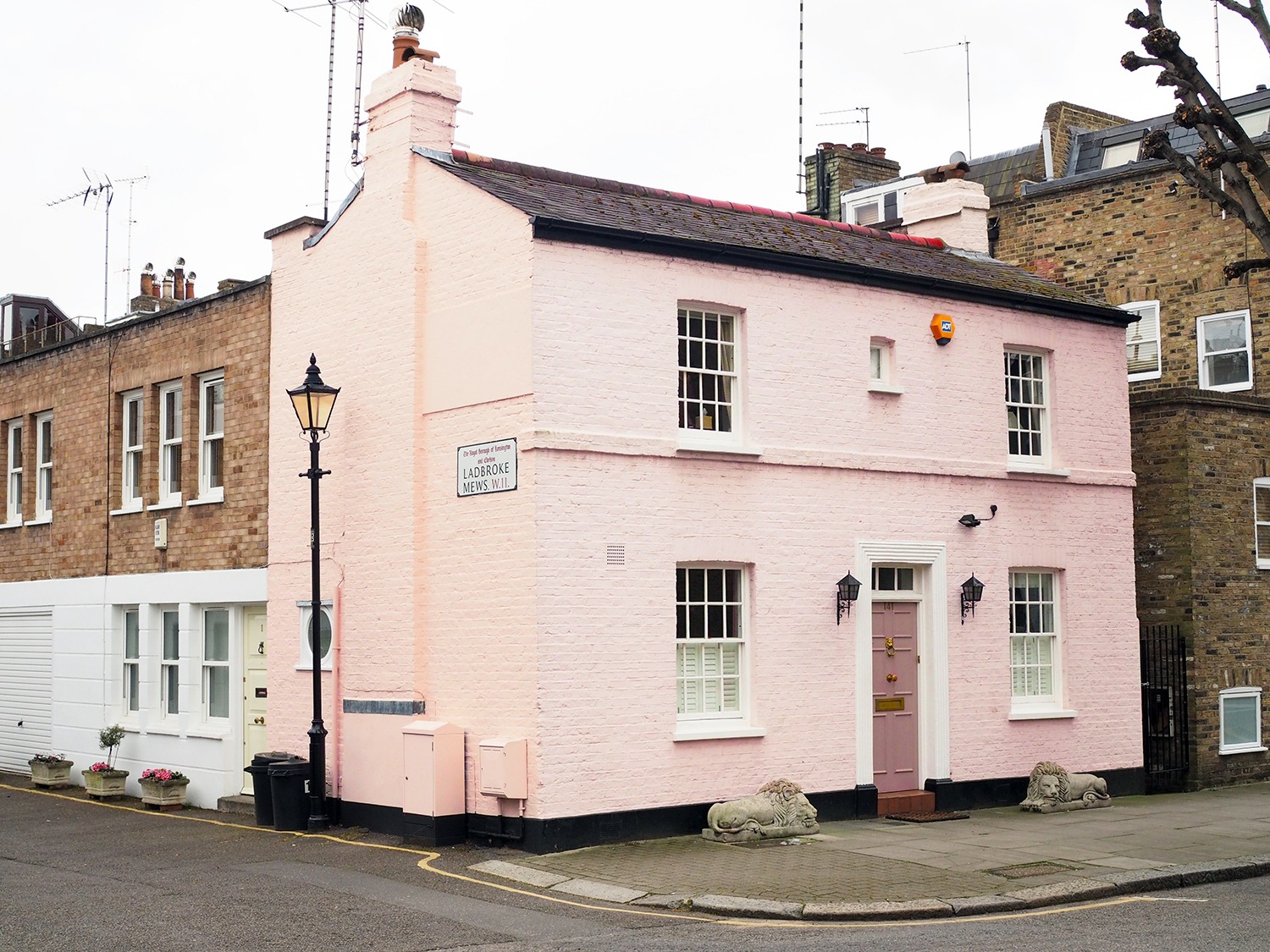
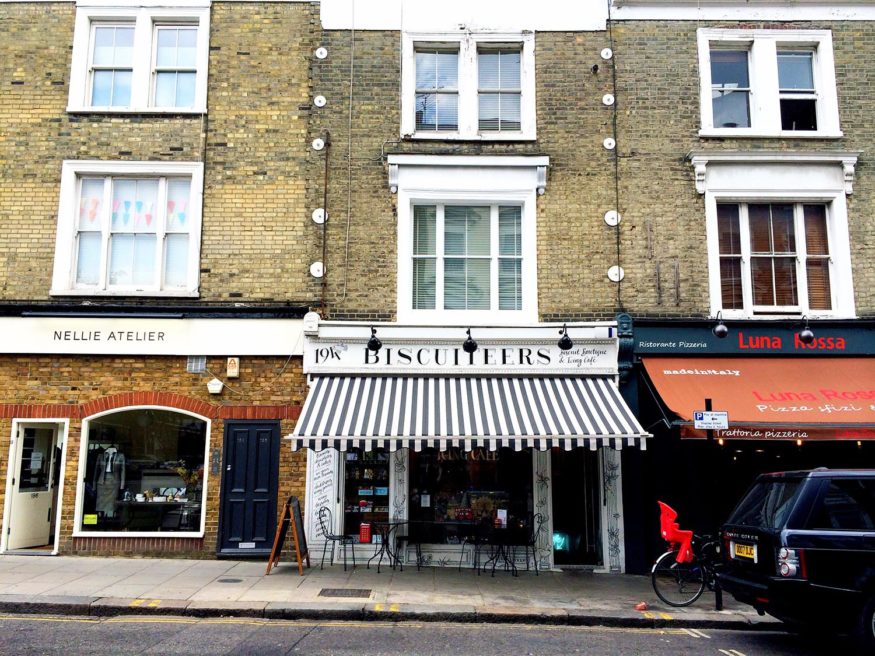
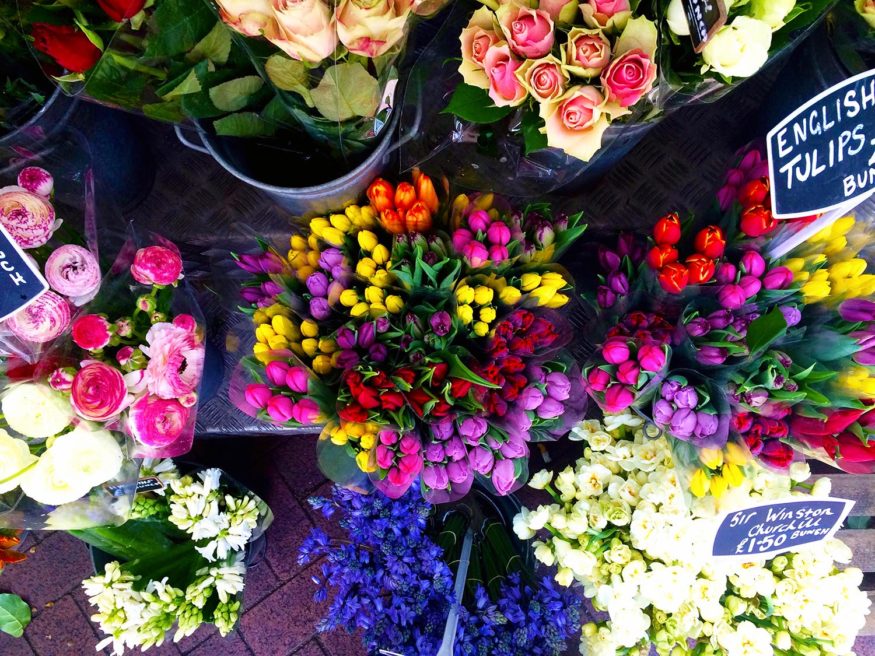
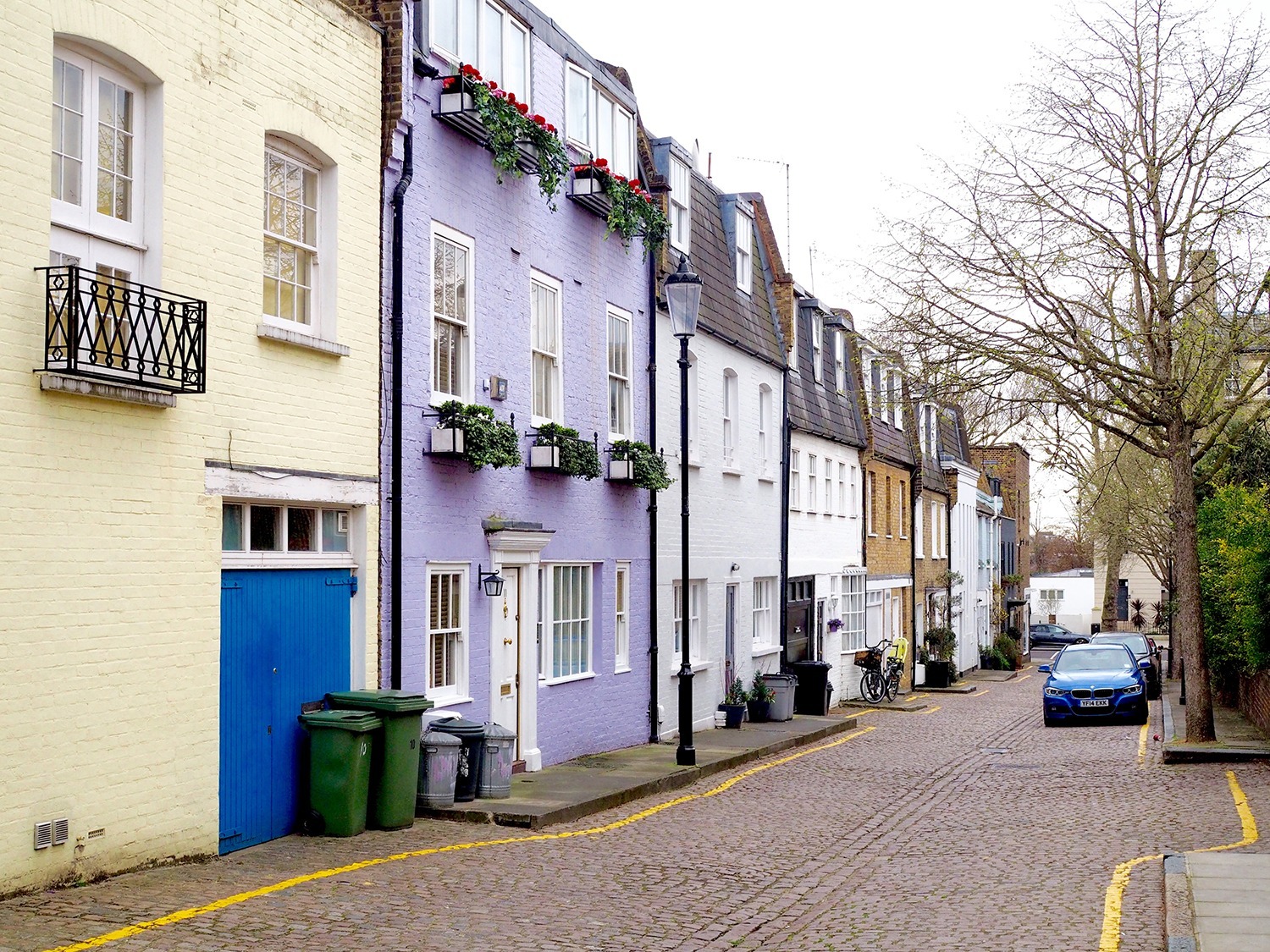
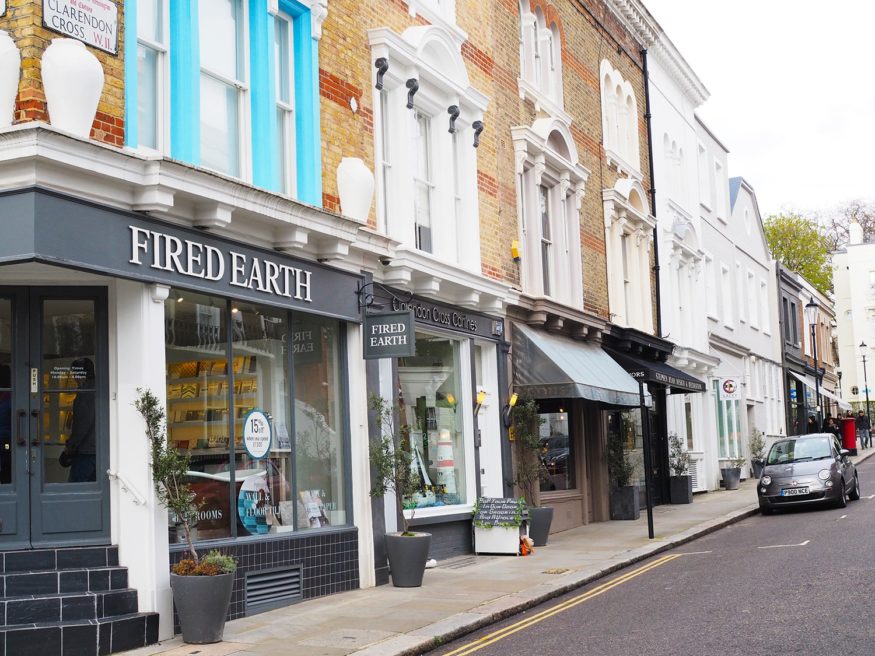
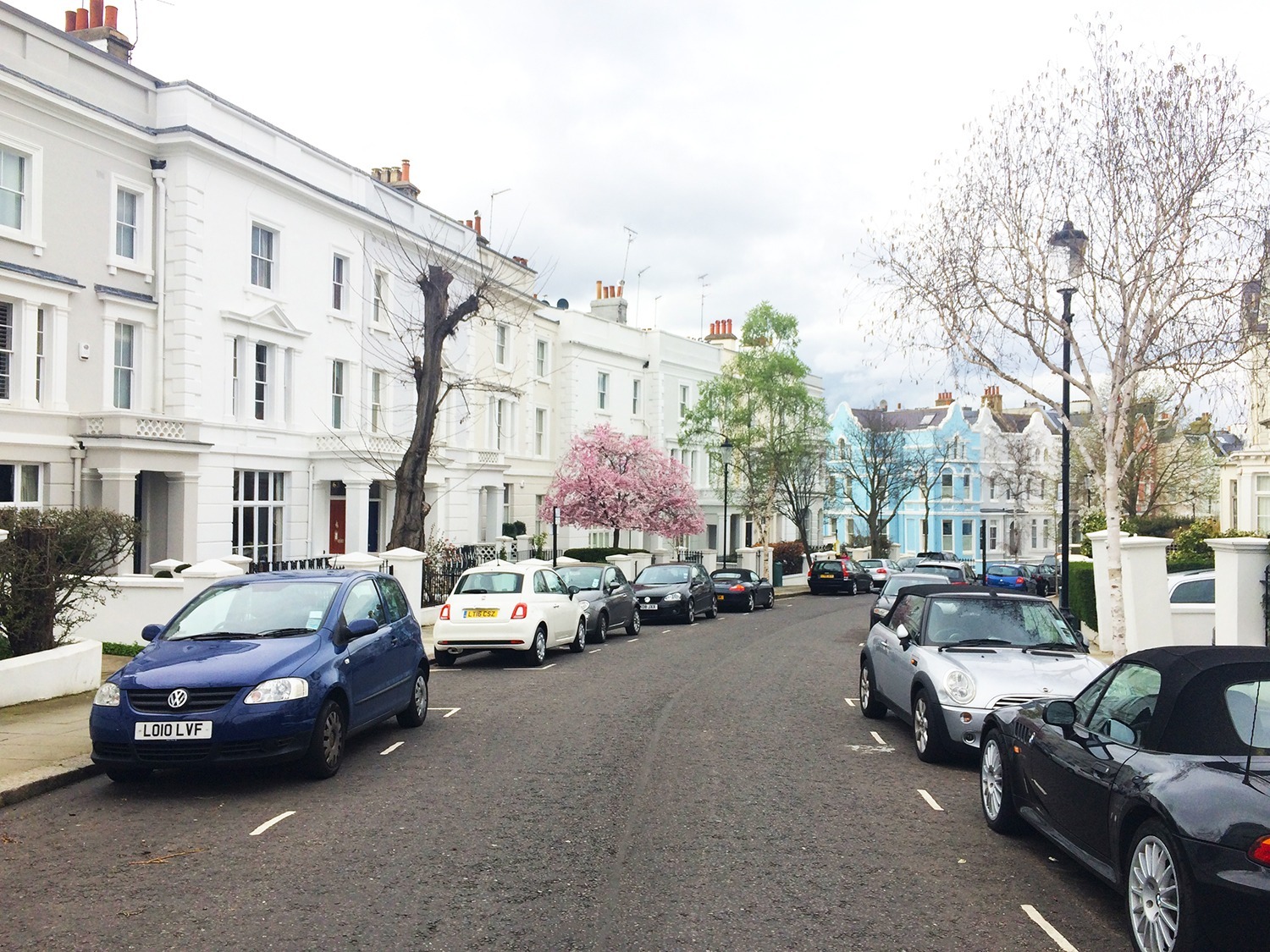
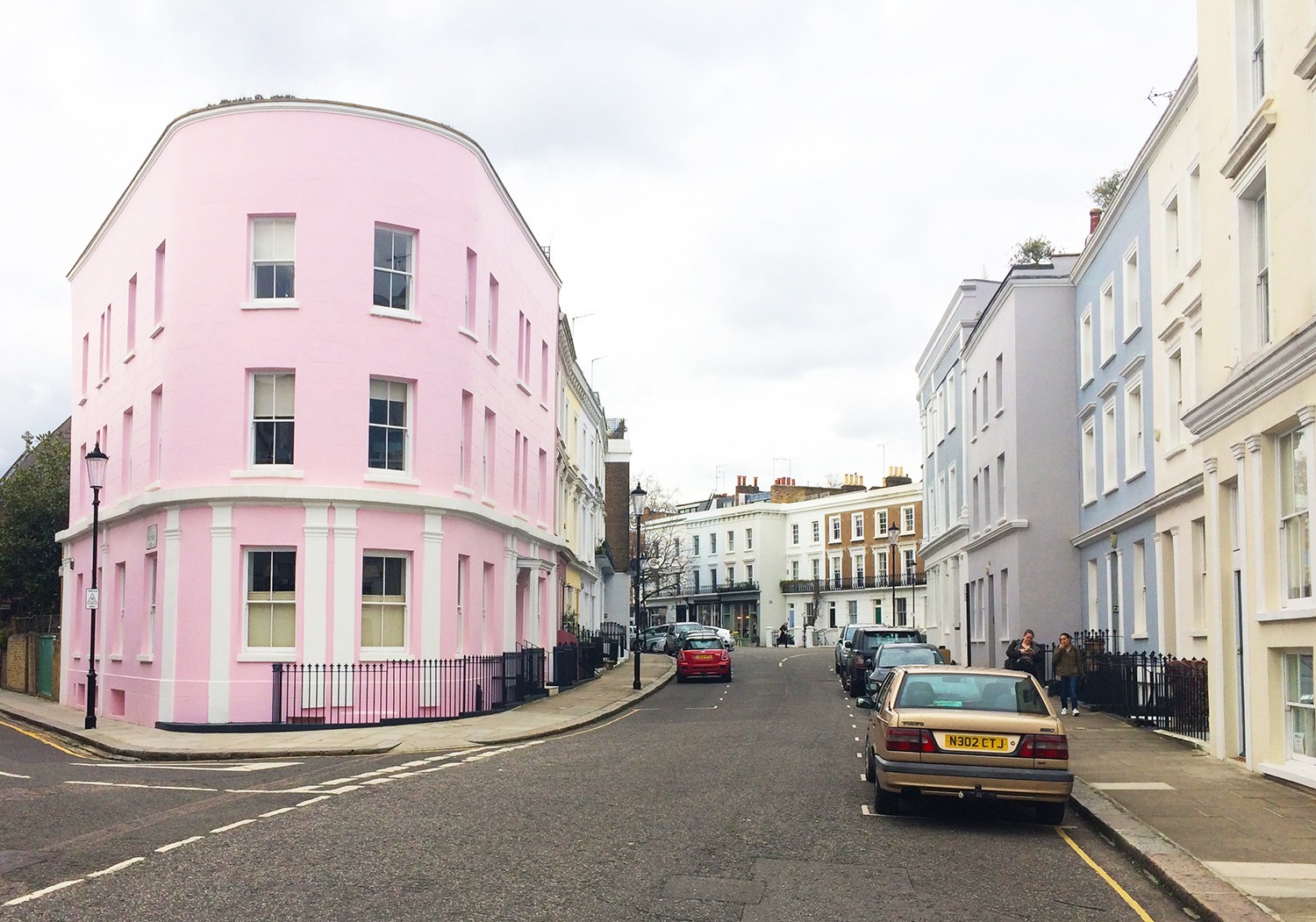
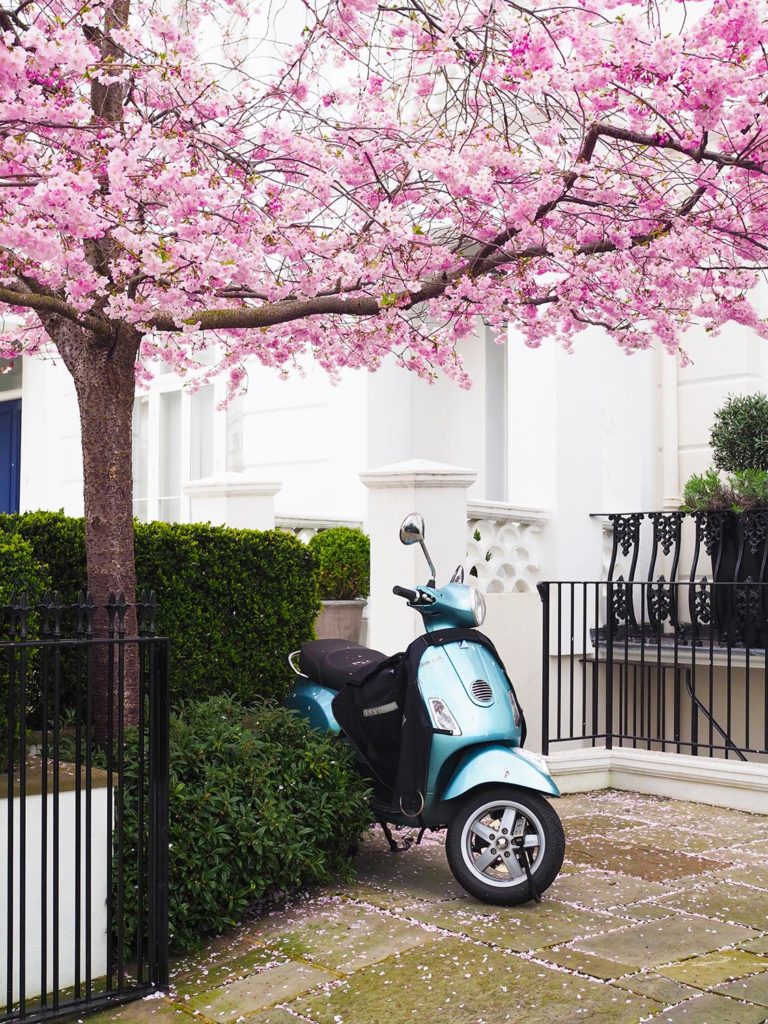
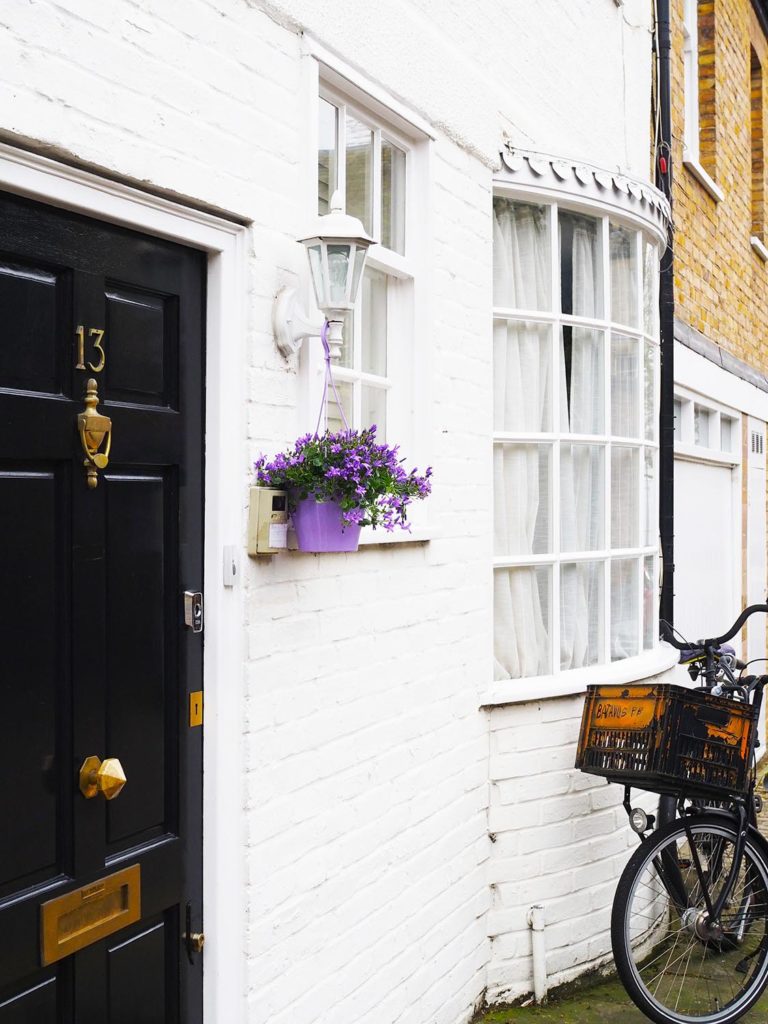
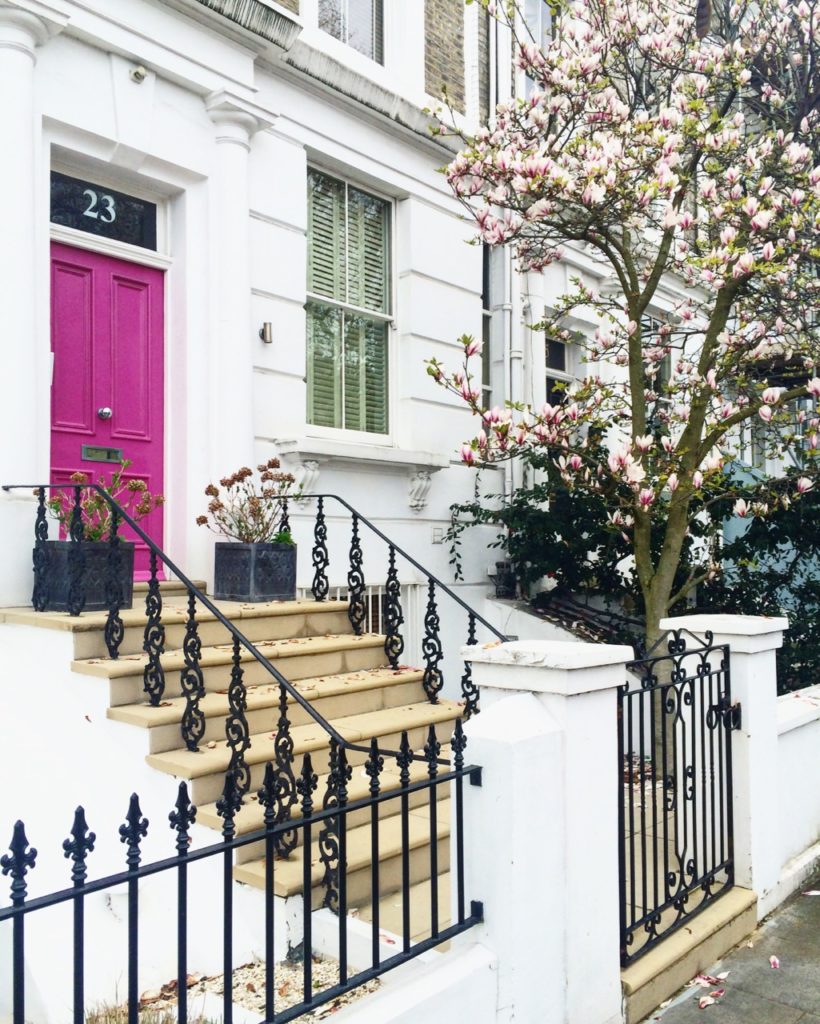
Call it Instagram paradise, Instagram porn, Instagrammable, call it whatever you like. If you’ve never heard of Notting Hill or haven’t seen the movie (gasp!!!!), it’s this technicolour neighbourhood you’ve surely been seeing on your Instagram, where pastel townhouses mingle with vintage cars and artsy coffees.
I only have a handful of happy places in the world, and Notting Hill is one of them. Mind you, I know all too well that I could never afford to live in this affluent area but I make a point to venture out there every time I’m in London, with my phone in one hand (anything for the ‘gram) and absolutely no itinerary whatsoever, opting for the spur of the moment, letting these idyllic streets guide me, secretly hoping I never find a way out.
(But I am a little bit OCD and I decided to create a self-guided walking tour of Notting Hill anyway. See below.)
A walking itinerary for Notting Hill & Holland Park colourful houses
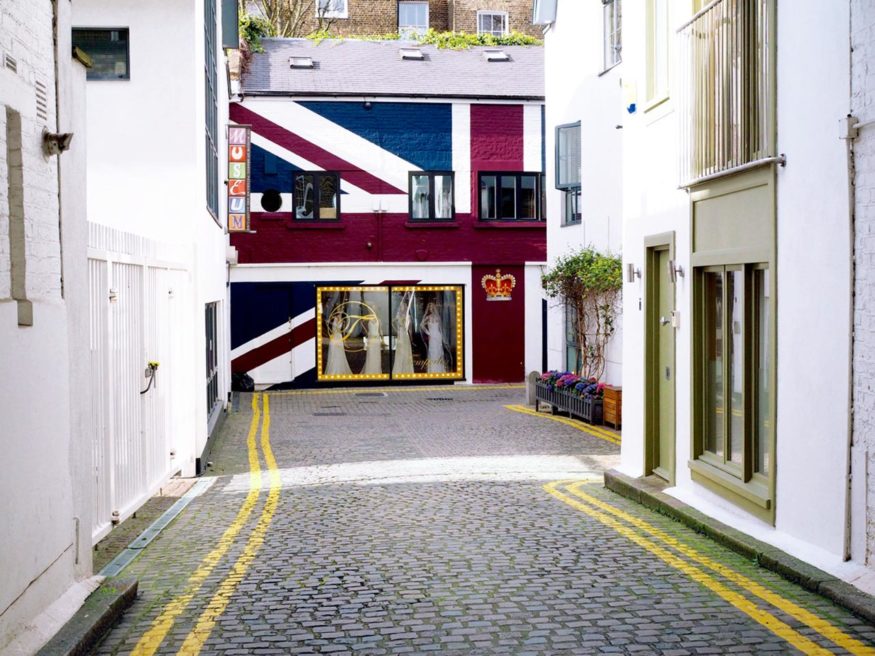
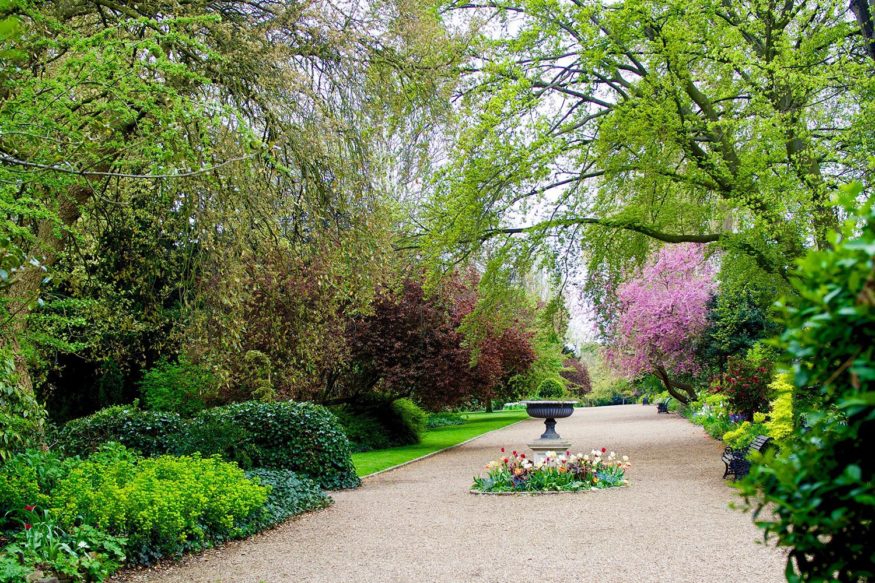
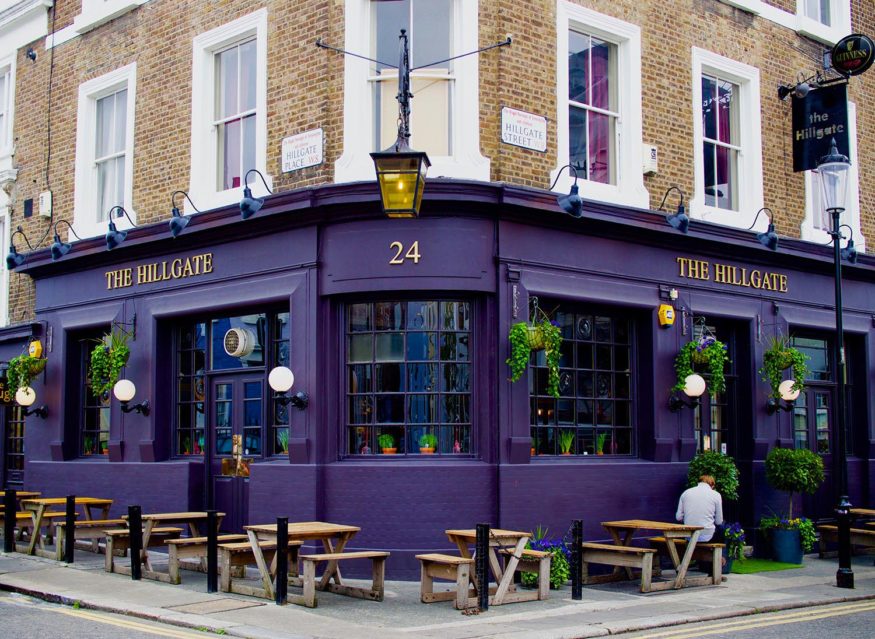
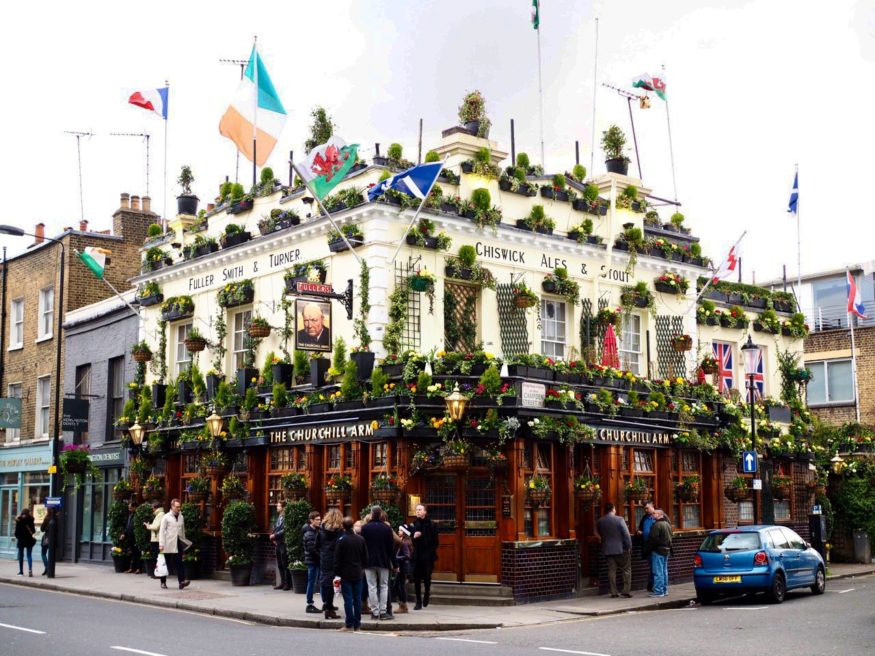
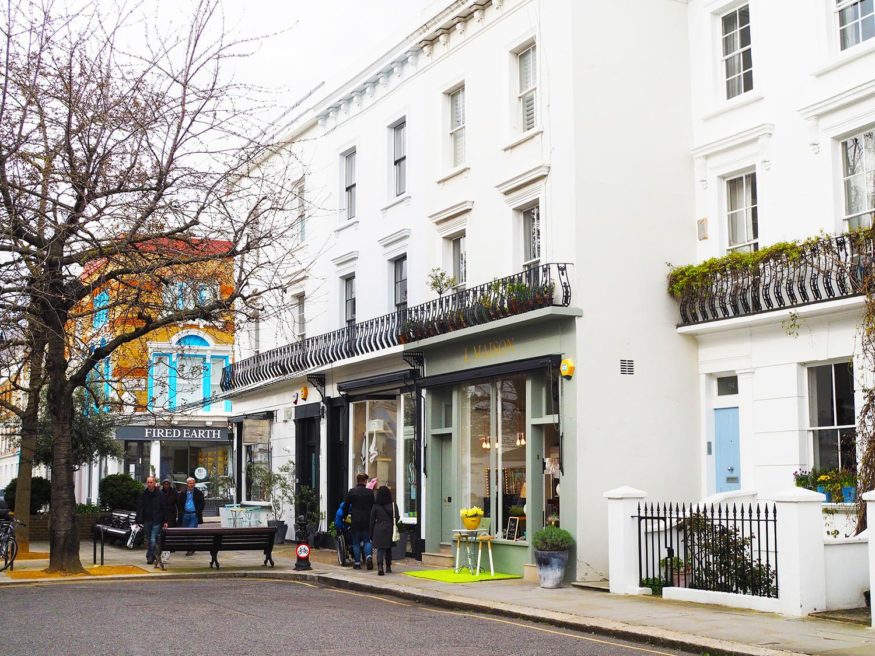
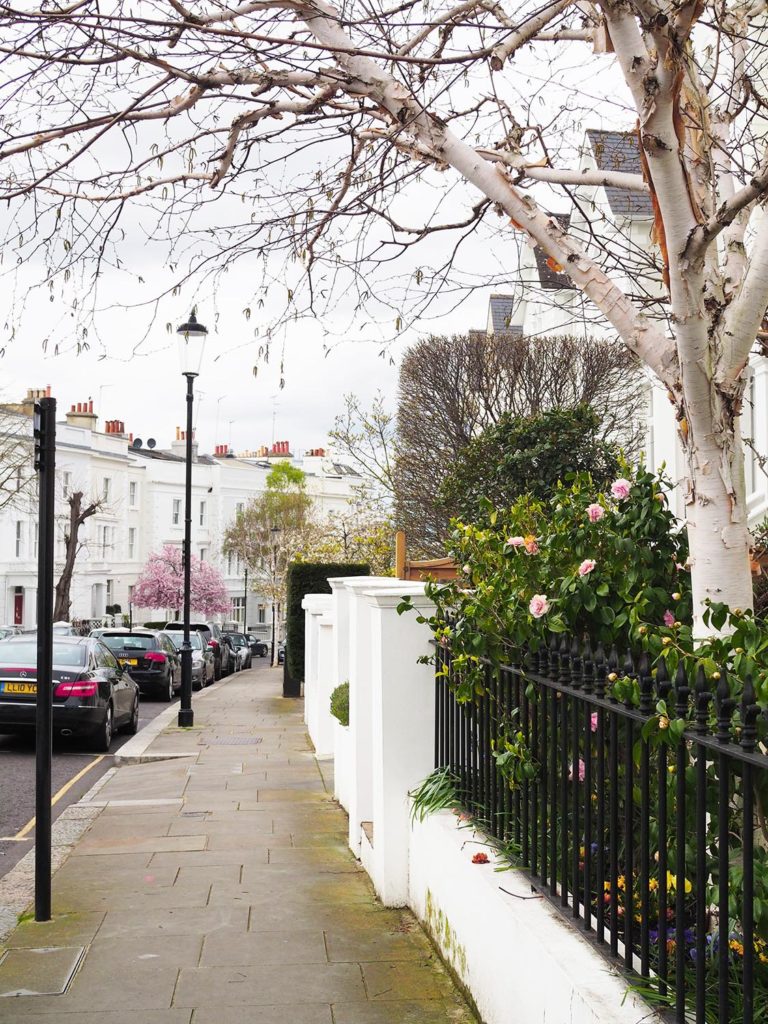
I’ve walked these streets a thousand times, so when I say they’re all photogenic and interesting in their own unique ways, they are. This itinerary encompasses the most colourful streets, the quaintest alleys, the prettiest façades in the neighbourhood and is, essentially, a round-up of the best Notting Hill has to offer.
Completing this 5-kilometres circuit could take you anywhere between one and six hours; it really depends on your pace, and on how many times you stop and say “Oh wait I gotta Instagram this” and ask your Instagram husband to move the rubbish bin ;-)
Photos of Notting Hill
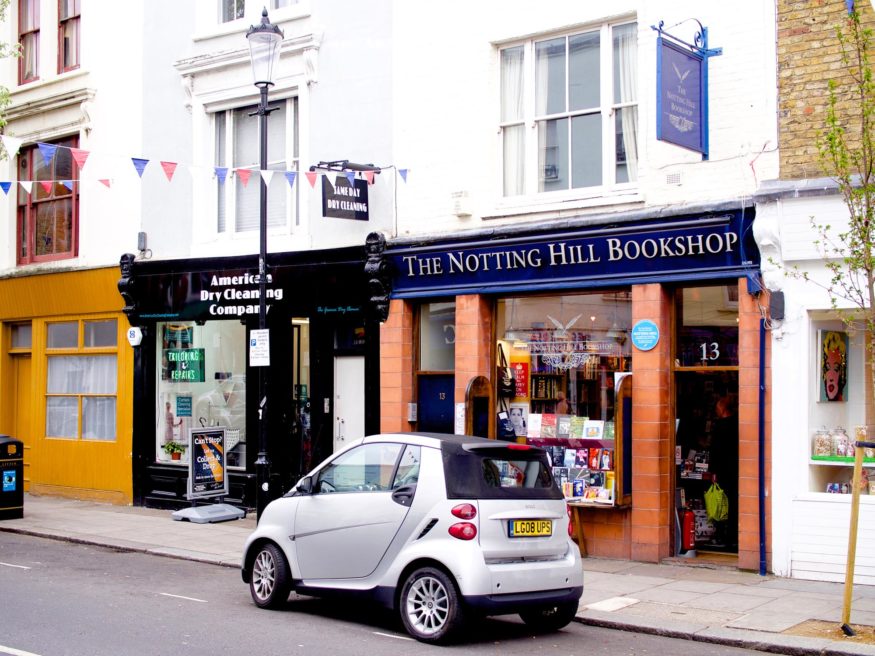
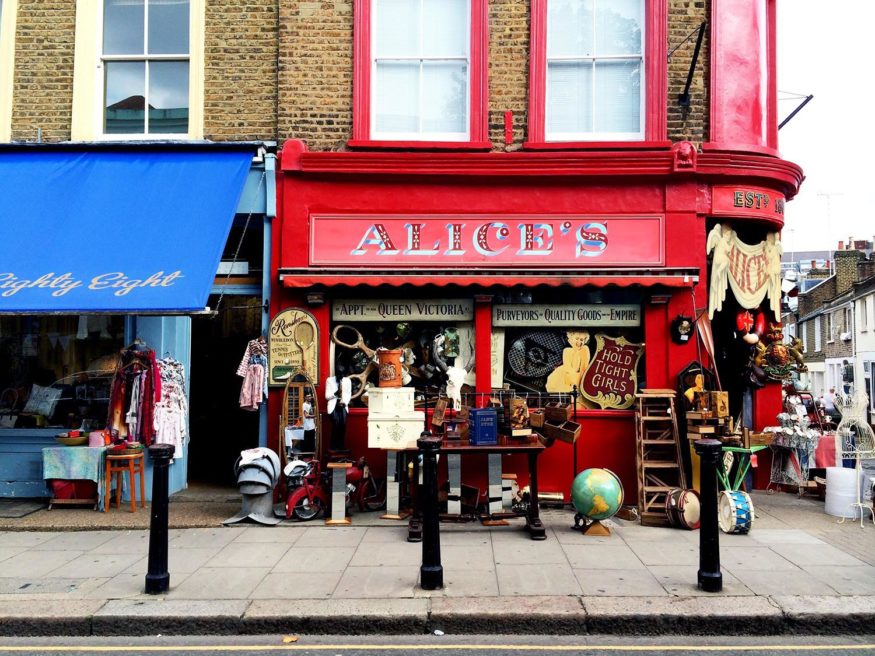
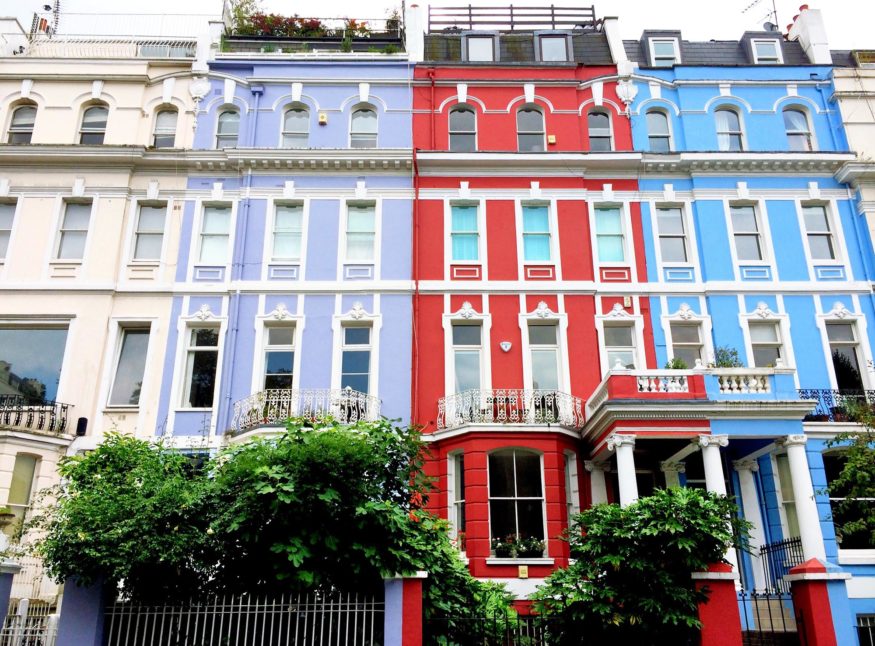
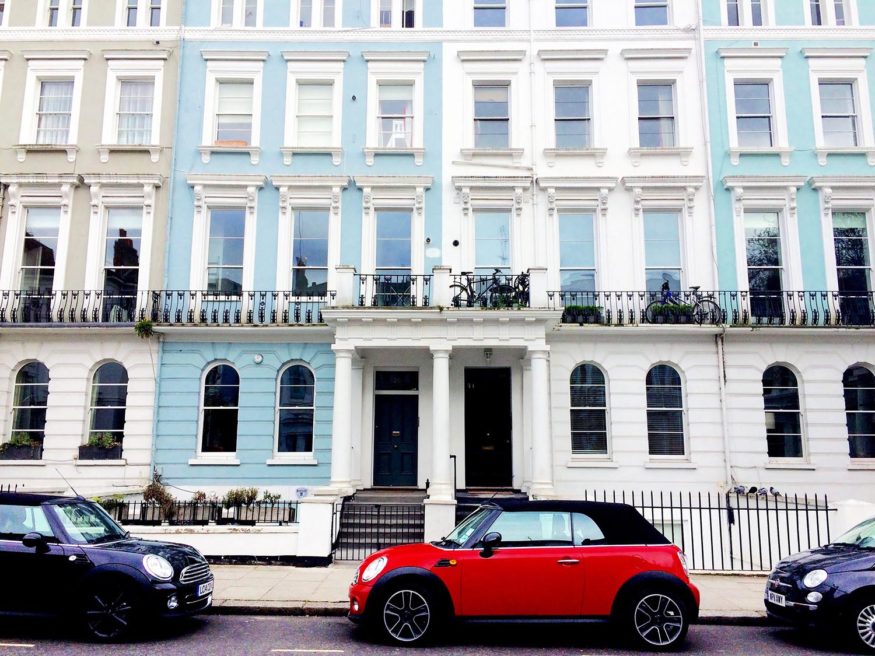
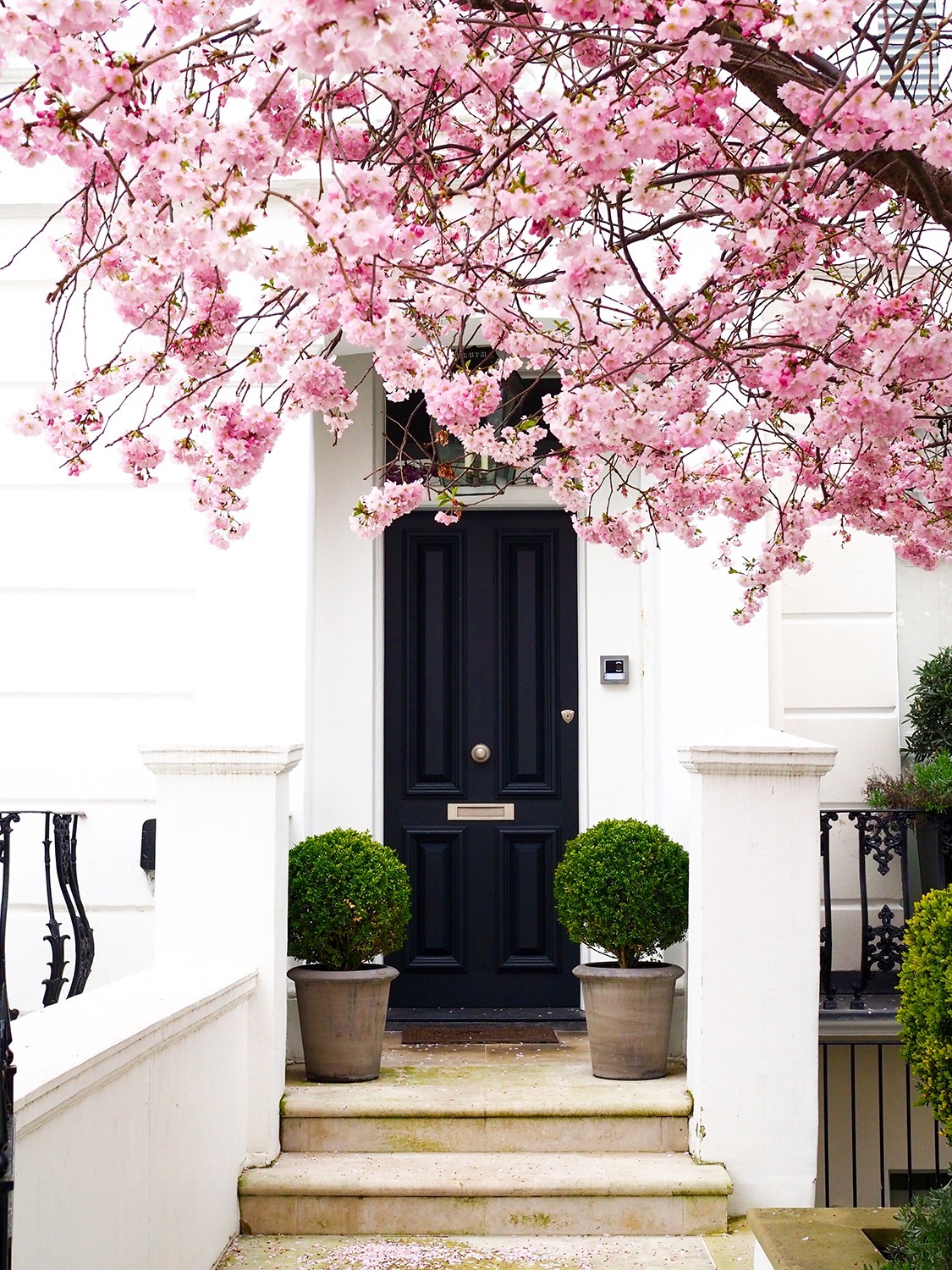
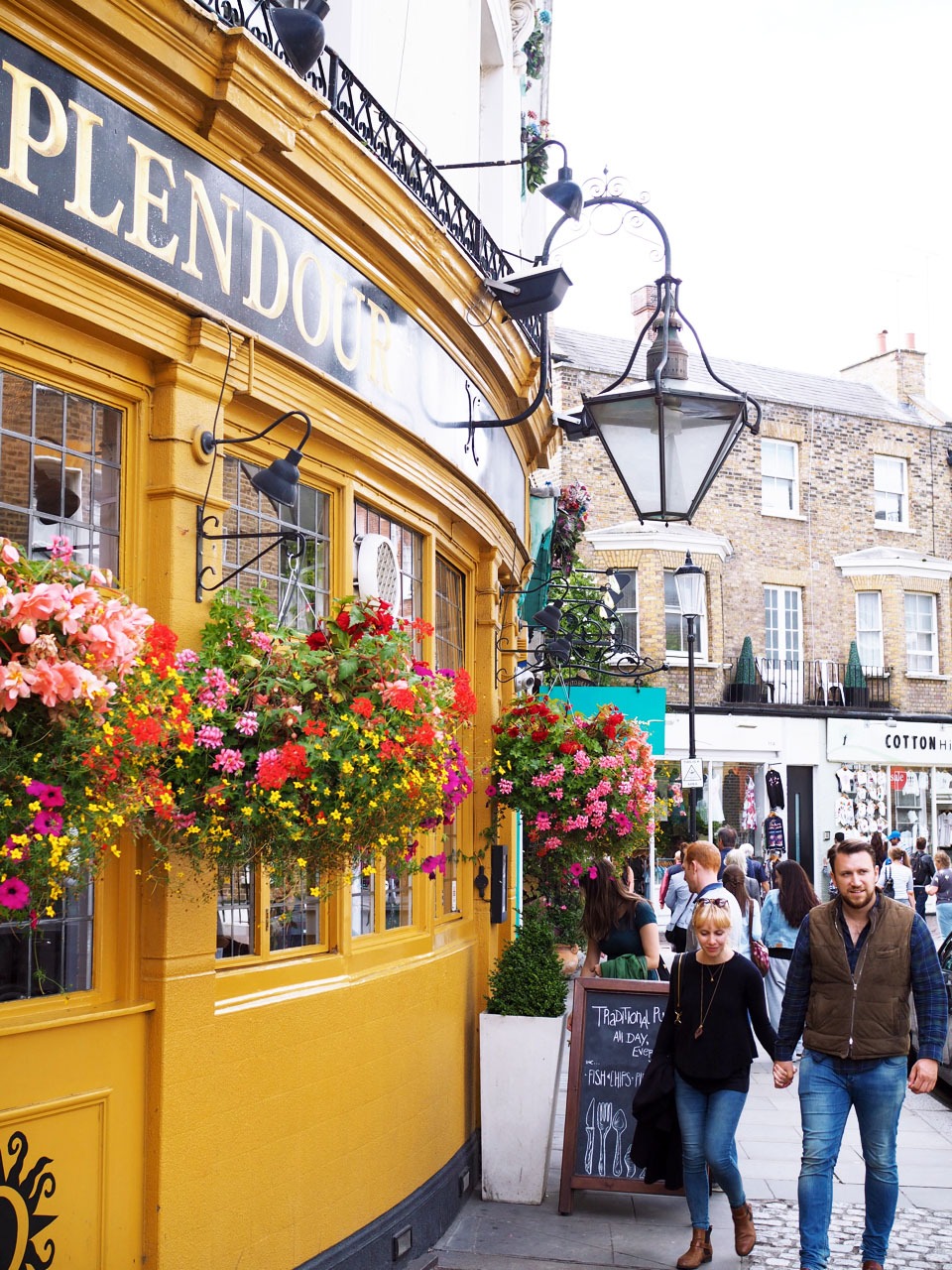
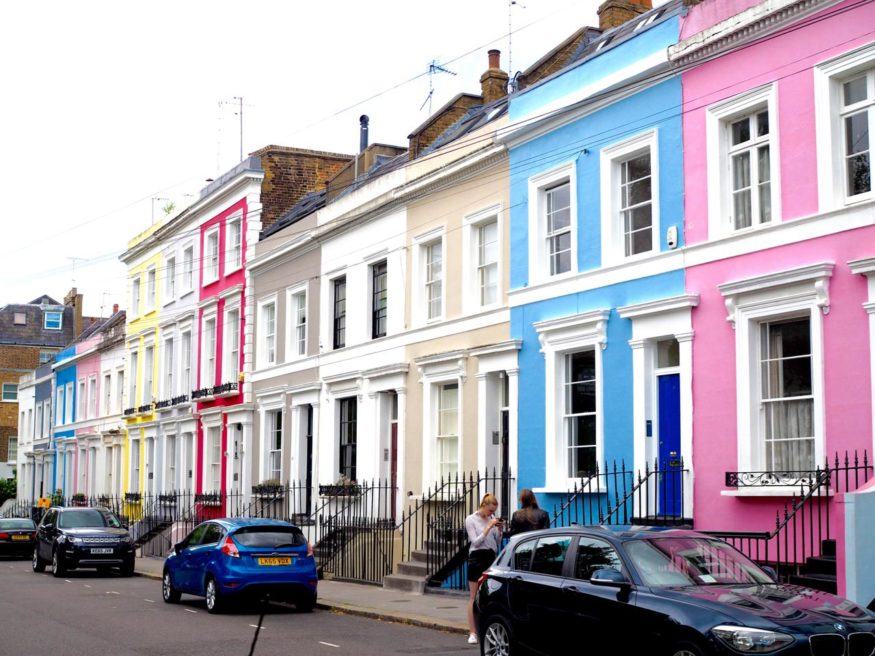
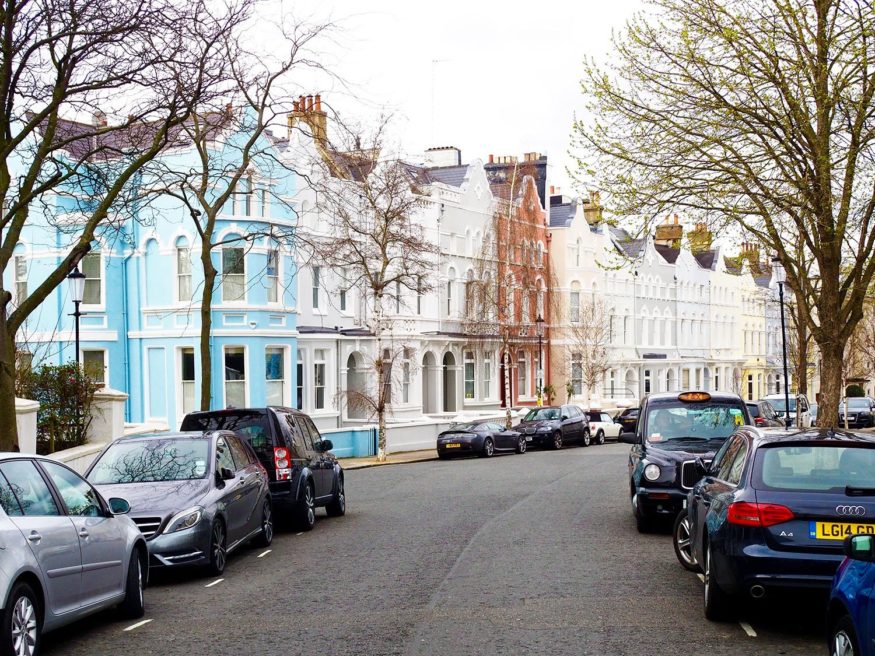
Notting Hill – a bit of history
Although it has become one of London’s most affluent neighbourhoods (townhouses retail on average for the modest sum of £4-6 million), Notting Hill wasn’t always so prosperous; in fact, up until the late 1800s, it was a downright slum, with plentiful piggeries and nasty pottery warehouses.
Locals were largely white, working class, of low social standing; violence and unemployment were both as normal as it got in these parts. Needless to say, when a massive influx of Carribean immigrants moved to Notting Hill right after World War II, things didn’t exactly go smoothly.
Disparities in skin colour and customs created vivid tensions in the neighbourhood; discrimination became common, as racist landlords either refused to rent to black tenants or ridiculously overcharged them and pubs simply did not let them in. Violence skyrocketed in May 1958 as a massive 3-day riot erupted, in which black immigrants were savagely assaulted.
That’s when the now-famous Notting Hill Carnival comes in.
The event was put together in order to celebrate Afro-Caribbean culture, gathering out-of-towners to the area and soothe tensions, even for a little bit. Mind you, black locals were still barred from local establishments; however, that did not keep them from rightfully enjoying a party, and they opened up a vast network of illegal underground venues, which catered not only to their own community but also to other Londoners – members of the Rolling Stones and Eric Clapton, for example, relocated to what had become a trendy and artsy, yet still struggling Notting Hill.
As violence settled down in the mid-1980s, more and more people started relocating to the streets surrounding Portobello Road, undoubtedly attracted by the then low rents and spacious flats. Affordability didn’t last long; Notting Hill is now home to multi-million-pound properties and upscale shops.
And, of course, rows and rows and rows of those emblematic pastel-coloured façades that we adore ;-) Now, enough with history. Off Instagramming, you go!