How to save money with low-cost airlines in Europe
Listen, I love a good deal as much as anyone—they are the reason I’ve been able to hit 38+ countries without needing a second mortgage—but flying a low-cost carrier in Europe in 2026 can be a thriller in its own right. Between Ryanair, EasyJet, and the newer long-haul budget players, you can still fly from London to Tirana for the price of a decent cocktail, but only if you know how to play the game.
After all you get what you pay for. That goes without saying. A €20 ticket won’t get you champagne, WiFi, a blanket or free movies. What you will get, however, is a short flight to a beautiful city you’ve always wanted to visit. Yes, it will likely be crowded, and barely comfortable. They are called no-frills airlines for a reason. But the way I see it, the average European flight-time is so short anyway, I can’t justify the expense of an upscale airline.
And these airlines base their entire business model on your absentmindedness, on pesky fees relying on suitcases being 1cm too large, on small extras like picking your seat or sitting with your partner. Pretty much just the air cabin and lavatories are still free of charge (for now anyway).
Without proper planning that €20 ticket will turn into a €150 headache before you even reach the gate. Here is my guide to surviving budget airlines without losing your mind.
Seat selection
If you are traveling with a partner and don’t pay to pick your seats, the algorithm will split you up. It’s not an accident; it’s a feature designed to make you panic-buy a middle seat for €12.
Ask yourself if you really need to get a specific seat for a 90-minute hop to Prague. If you’re a nervous flyer, are a frequent “loo” user or simply love your partner too much, pay the fee. Otherwise, take the split and use the silence to get a good nap.
Getting the right luggage
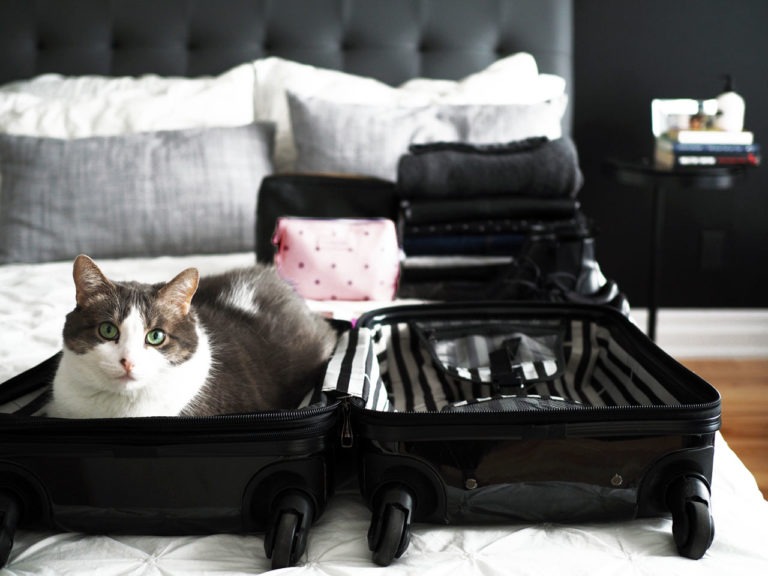
Most of Europe’s low-cost airlines have moved to a “personal item only” default. This means if it doesn’t fit under the seat in front of you, you’re paying.
In 2026, the EU is finally pushing for standardized free cabin bags to allow one personal item plus one cabin bag (up to 7kg) free of charge; but until that’s fully enforced, the “metal sizer” at the gate remains the ultimate judge and jury.
- Double-check the sizing on the airline’s website. If your bag sticks out an inch, that’s a minimum €60 gate fee. They don’t mess about, and no, you won’t get away with it.
- The “travel vest” hack: It’s a bit ridiculous… but is it really? This creator tried the fishing vest packing hack and it worked! They can’t weigh your body and the weight of your clothes (yet).
Check-in online
Ryanair is the king of this. If you show up without having checked in on the app, they’ll charge you a “boarding pass issuance fee” that’s often higher than the flight itself.
- Set an alarm: Check-in usually opens 24 hours before departure. Do it the second it opens.
- Wallet it: Save your boarding pass to your Apple or Google Wallet immediately. Some airports have spotty Wi-Fi, and you don’t need that kind of stress at the front of the line.
Priority boarding
Skip it. Most of the time, “Priority” just means you’re the first person to stand on a cramped shuttle bus for 15 minutes while waiting for everyone else. You all arrive at the plane at the same time.
Bring your own snacks
Let’s be real: for a €20 ticket to Lisbon, you aren’t getting fancy Swiss chocolate or even a halfway decent sandwich. Everything on board is “mid” at best and wildly overpriced. Since you’re essentially on a flying bus, bring your own snacks to keep your budget intact for the actual destination.
Bring an empty reusable bottle through security and fill it up at a water station before you board. It’s a small win, but those euros add up to a lot of extra pastéis de nata once you land.
Getting to and from the airport
This is the most critical detail to check before hitting “buy.” Budget airlines often fly into mysterious regional airports at ungodly hours, located in different zip codes than the city on the label.
- For example, Paris-Beauvais (BVA) is a 90-minute bus ride from Paris. By the time you pay €25 for the shuttle and lose three hours of your life, you might as well have flown a legacy carrier like Air France into CDG or Orly.
- Check your arrival time. If you land at 11:30 PM at a secondary airport, are the buses still running? Will a taxi cost €100? Suddenly, that €20 ticket is not so cheap anymore.
Always calculate your “total cost of commute.” If that shuttle costs an extra €25, your “cheap” ticket just got a whole lot pricier and significantly less efficient. Factor in the distance before you commit, or you’ll pay for it in both time and euros.